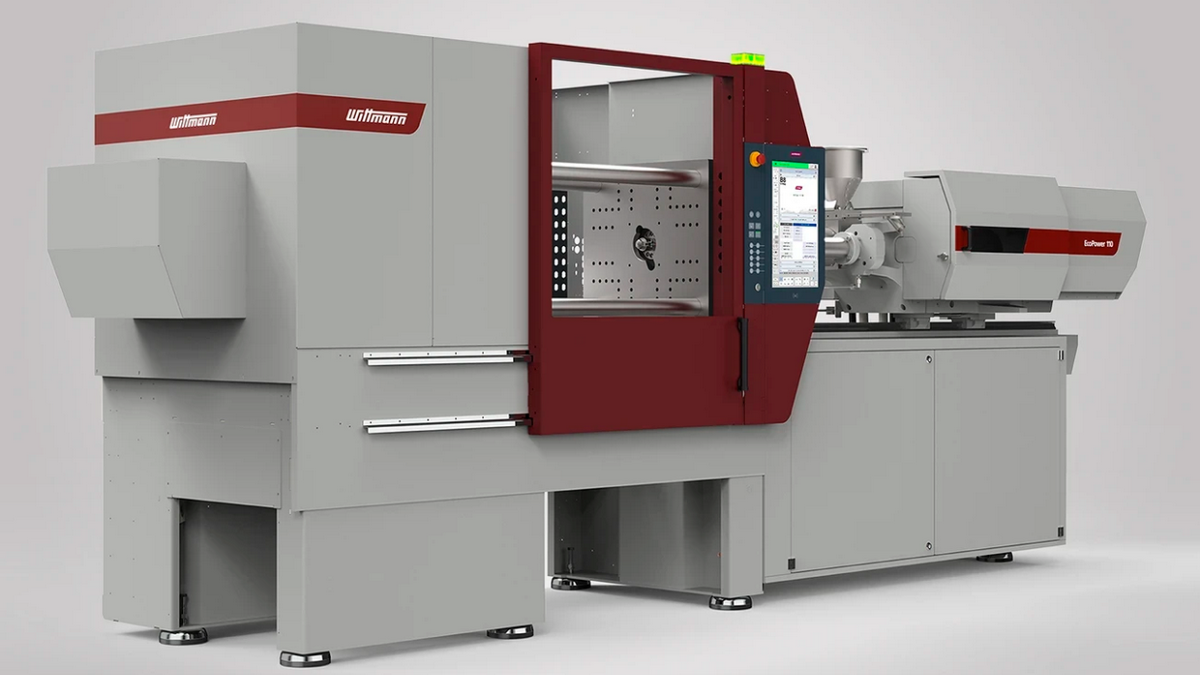
Custom tooling is the foundation of precision manufacturing, enabling the production of everything from smartphone casings and automotive parts to packaging components and medical devices. In this fast-growing market, Taiwan had remained a trusted leader, delivering advanced tooling solutions that meet the speed, complexity, and quality demands of modern industry.
What’s Driving the Demand?
Countries such as Vietnam, Thailand, Indonesia, and Malaysia are rapidly expanding their manufacturing capabilities. Driven by global supply chain diversification, competitive labor costs, and government incentives, multinational corporations are shifting production to Southeast Asia. These shifts create a growing need for high-precision molds and dies tailored to localized product designs, production volumes, and material requirements. As companies aim to reduce lead times, lower shipping costs, and adapt to regional markets, the demand for fast, high-precision mold and die services continues to rise.
According to a report from Verified Market Research, the global die and mold market was valued at USD 42.23 billion in 2023 and is projected to reach USD 63.21 billion by 2031, growing at a CAGR of 6.8%, driven by growth in automotive, electronics, packaging, and consumer goods production—sectors where Southeast Asia is increasingly active.1
But while demand grows locally, the technical capabilities of many Southeast Asian mold producers have not kept pace with complex product specifications or tight tolerances required by global brands. This is where Taiwan steps in.
Taiwan’s Strategic Advantage in Custom Mold and Die Services
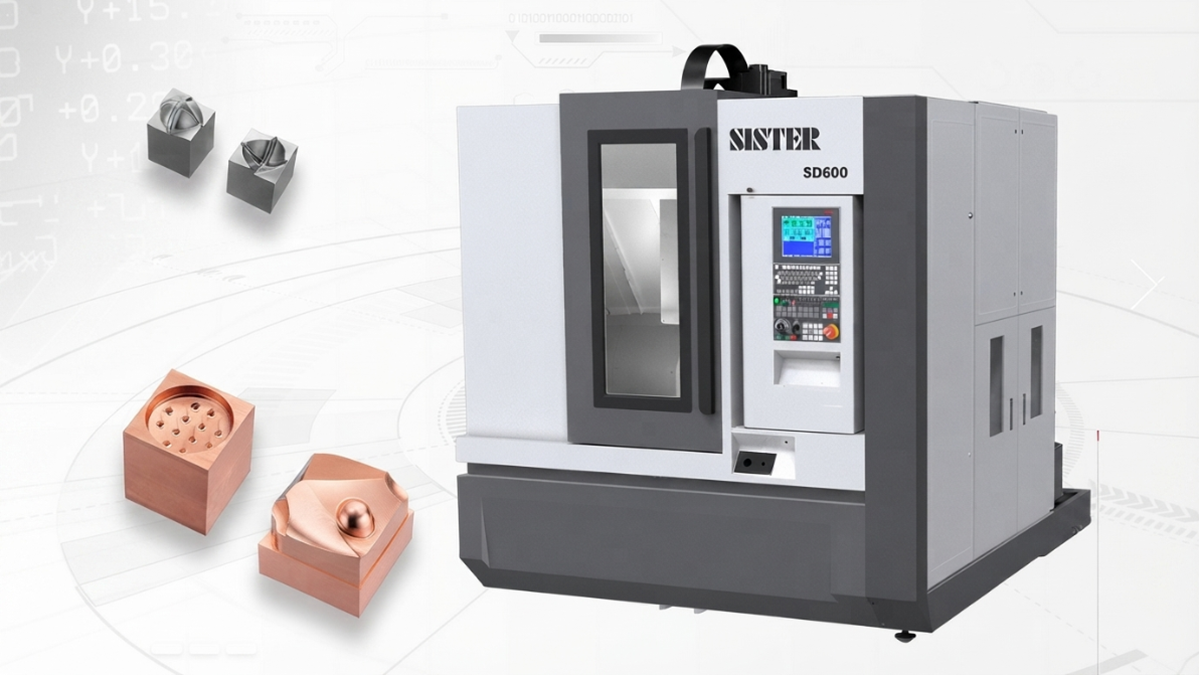
Taiwan’s mold and die industry is among the most advanced in Asia, supported by high levels of automation, skilled engineering talent, and a robust ecosystem of CNC machining, EDM, and rapid prototyping facilities. Taiwanese toolmakers play a critical role in supporting Southeast Asian manufacturers that lack in-house tooling capabilities.
Key advantages include:
• Speed to Market: Taiwan’s mature supply chains and integrated machining services enable faster delivery compared to global competitors.
• Micron-Level Precision: Taiwanese manufacturers produce complex multi-cavity injection molds and progressive dies that meet micron-level tolerances—critical in electronics, optical components, and medical devices.
• Rapid Customization and Flexible Design Support: From prototyping to high-volume production, Taiwanese suppliers offer scalable solutions tailored to specific client requirements.
• Export-Ready Logistics and Bilingual Business Operations: Streamlined international shipping and English-language support make collaboration efficient and reliable.
• Cross-Border Support: Many Taiwanese firms have established service offices or regional partners in Southeast Asia to provide local design feedback, maintenance, and logistics support.
Leading Mold Manufacturers
Taiwan has a rich and diversified ecosystem of mold and die suppliers, making it easy to find a qualified partner. Two examples of outstanding Taiwanese mold and die manufacturers are:
Foxnum Technology Co., Ltd.
A subsidiary of the Foxlink Group, Foxnum specializes in high-precision plastic injection molds for electronics and automotive components. Its vertically integrated model—from design to CNC processing and final polishing—enables fast turnaround for global clients. Foxnum’s molds are widely used in smartphones, connectors, and electric vehicles, serving customers across Asia and North America.
Gongin Precision Industrial Co., Ltd.
With over 35 years of experience, Gongin manufactures custom progressive stamping dies and plastic injection molds. The company’s investment in 5-axis CNC machining and automated measuring systems helps ensure ultra-tight tolerances. Gongin has established technical partnerships in Vietnam and the Philippines to support growing regional demand.
Business and Investment Opportunities
With new factories and assembly lines opening across Vietnam, Indonesia, and Thailand, many As new factories and assembly lines open across Vietnam, Indonesia, and Thailand, many Southeast Asian manufacturers are actively seeking reliable partners for custom mold and die production. Taiwanese mold and die makers—with their advanced infrastructure and multilingual business practices—are ideal, dependable partners, offering a value proposition that is difficult to match.