Indispensable Mechanical Transmission Equipment in the Machinery Industry
Market News

Indispensable Mechanical Transmission Equipment in the Machinery Industry

In the past few years, with the continuous improvement of technologies such as artificial intelligence (AI), deep learning (DL), computer vision (CV), virtual reality (VR) and augmented reality (AR), the application scope of mechanical transmission components has expanded to each field.
Published: Apr 13, 2022
Indispensable Mechanical Transmission Equipment in the Machinery Industry

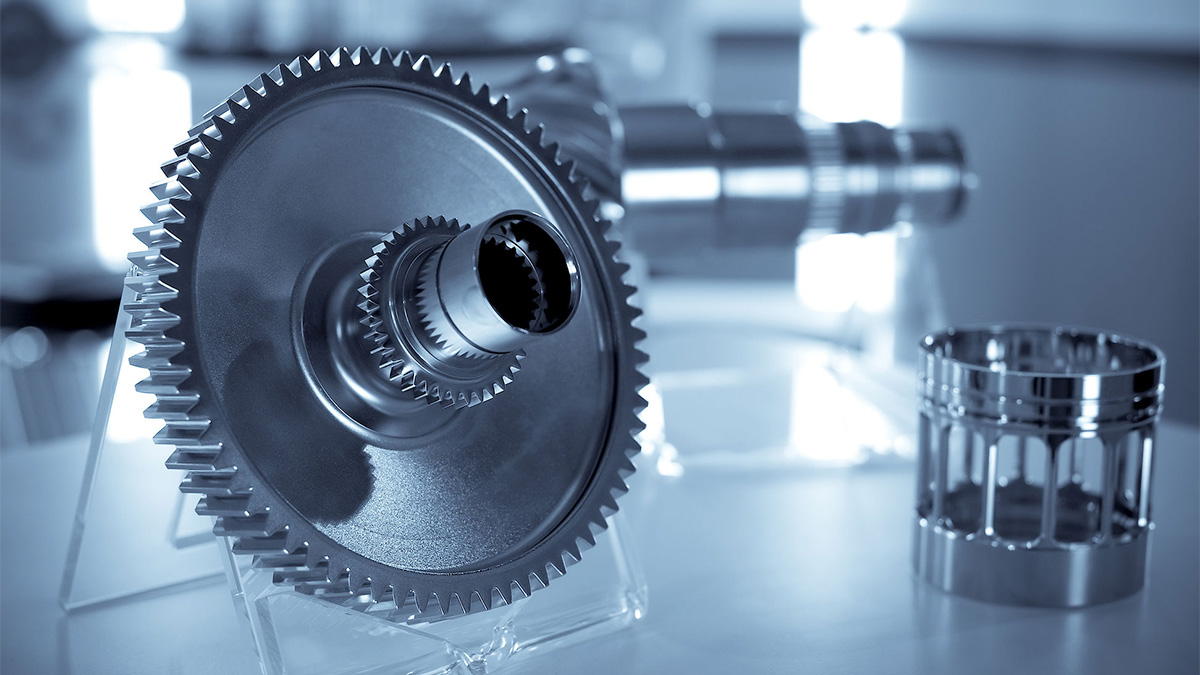
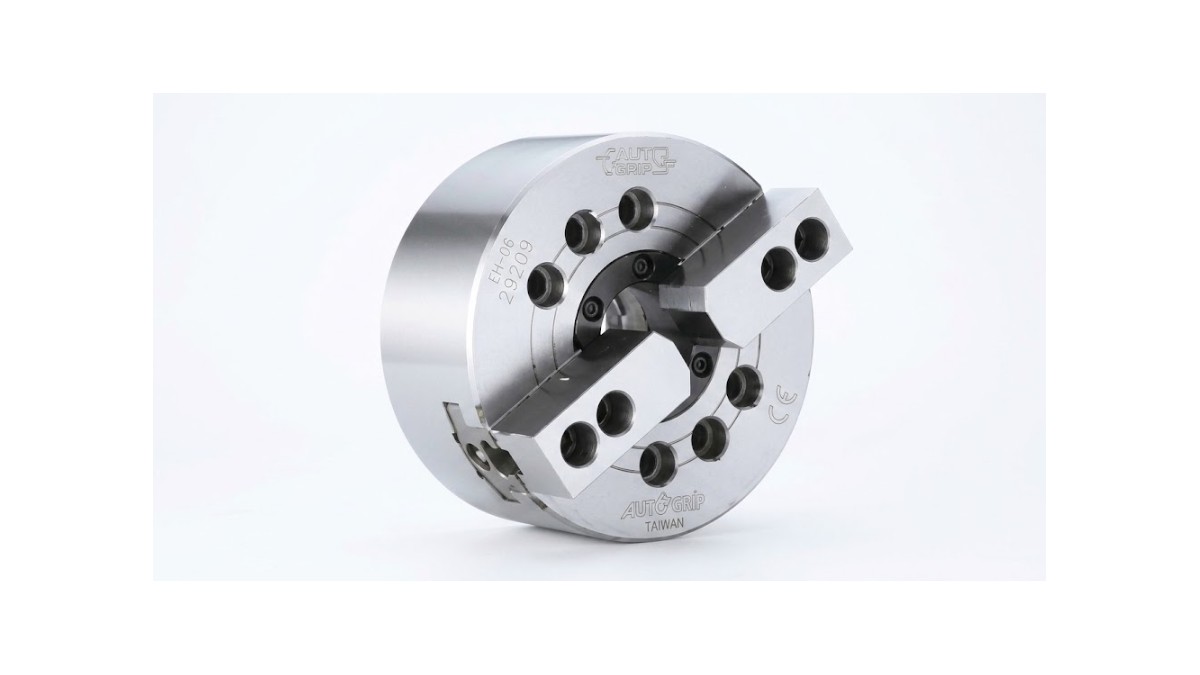
The technical threshold and precision requirements of mechanical transmission components are high, which also affects the performance and reliability of machine tools, industrial machinery, electric vehicles, high-tech equipment, and robotic arms. They are extremely important key components in machine tools.

What Is the Mechanical Transmission of Electronic Equipment?

Electronic equipment is comprised of many different types of machines. All these machines are related to the use of electricity and usually have some type of electric motor, hydraulic motor, manual controls, etc. Electronic devices can be used to generate electricity and control processes that control behavior of the mechanical device according to the load requirements.

Electronic equipment is located between the actuator (electric motor, hydraulic motor, manual controller, etc.) and the load (antenna, vacuum variable capacitor, magnetic or non-magnetic carrier, etc.), and makes the load move in a controlled manner according to the requirements of machinery being used. The mechanical transmission in electronic equipment is often an integral part of the servo system. Its function is to transmit power and motion, match and couple the actuator and the load, and ensure the coordination of mechanical, electrical, optical, magnetic, and other parts and components.

Types of Mechanical Transmissions in Electronic Equipment:

  1. General driver:
    The load is driven by an electric or hydraulic motor through a conventional mechanical transmission. The power transmission in early electronic equipment was almost always electromechanical (Electric motor → Traditional mechanical transmission → Load). With the development of hydraulic technology and motor technology, electro-hydraulic drive (Hydraulic motor → Traditional mechanical transmission → Load) and direct drive have gradually appeared.
    The electromechanical drive is characterized by reliable structure, mature technology, convenient use, and maintenance. The advantages of the electro-hydraulic drive are fast response, the small size of the hydraulic motor, suitable for high-power transmission, high static stiffness, and can withstand considerable overload without damage (Peak power can be as high as more than twice the rated power). The disadvantage is that the technical requirements for the manufacture, installation, and maintenance of hydraulic servo components and hydraulic systems are relatively high. Generally, the drive must rely on the traditional mechanical transmission device, the volume and weight are relatively heavy, the meshing transmission is noisy, and mechanical structure factors are also more affected.
  2. Direct drive:
    The load is directly driven by a special motor or hydraulic cylinder. Because the mechanical transmission device is omitted, the transmission precision and the structural resonance frequency are relatively high, so the servo bandwidth can be made relatively wide, which is beneficial to improve the stability and accuracy of the system.

Electronic Equipment Related Regulations and Policies: Waste Electrical and Electronic Equipment (WEEE)

Discarded computers, televisions, refrigerators, and mobile phones, etc., collectively referred to as electrical and electronic equipment waste, is one of the fastest-growing wastes in the EU, generating about 9 million tons in 2005 and is expected to increase to 12 million tons in 2020. To solve these problems, the European Union developed the WEEE specification.

Regarding the WEEE specification:

WEEE (Waste Electrical and Electronic Equipment), the European Union Waste Electrical and Electronic Equipment Directive, is mainly in response to the disposal method of waste electronic products. This directive regulates the requirements for selective treatment, classified collection, and recovery rate of electronic and electrical products when they are scrapped, but unlike RoHS, which has substance limits, it requires that electronic and electrical products within the jurisdiction be affixed with "Wheelie Bin", and be registered and subject to inspection and supervision as required.

WEEE 2.0 Product Control Category:
  • Category 1: Temperature Exchange Equipment
    Also known as TEE, includes all heating and cooling EEE equipment, including refrigerators, air conditioning units, and heat pumps.
  • Category 2: Large Screen Displays and Equipment
    Including monitors, TVs, laptops, tablets, and e-book reading devices with screens larger than 100 square centimeters. Does not include a smartphone (too small) or a smart fridge with a screen.
  • Category 3: Light Bulbs - Including Fluorescent Lights
    LED, HID, and LPS bulbs and tubes. Lamps and luminaires are not included.
  • Category 4: Large Equipment
    Includes any EEE not included in Category 1, 2, or 3 and which has at least one external dimension (L, W, H) greater than 50 cm. This typically includes washing machines, dryers, electric stoves, large medical equipment, photovoltaic panels, large light fixtures, etc.
  • Category 5: Small Devices
    Includes all EEE not included in other categories, has external dimensions (L, W, H) less than 50 cm, and is not IT equipment (Category VI). This includes vacuum cleaners, microwaves, small kitchen appliances, and consumer electronics.
  • Category 6: Small IT/Computer/Communication Equipment
    Includes all EEE not included in other categories, with external dimensions (L, W, H) less than 50 cm, for IT, computer motor calculation, or communication. Examples include smartphones, desktop computers, GPS devices, printers, tethers, and fax machines.
WEEE 2.0 applicable areas

All EU member states are subject to this directive if products are exported to these countries. Directives are issued by the European Union, and member states then formulate their norms by the directives.


Published by Apr 13, 2022 Source :easyatm

Further reading

You might also be interested in ...

Headline
Market News
Europe’s Rising Demand for Seaweed: From a “Slimy” Reputation to a Health Trend-How Buyers and Brand Owners Can Evaluate Supply, Applications, and Market Opportunities
Why Seaweed Is Becoming a Strategic Ingredient Opportunity in Europe
Headline
Market News
TaipeiPLAS 2026: Driving Smart Manufacturing and Supply Chain Resilience in Plastics and Rubber
TaipeiPLAS 2026 returns to TaiNEX 1 from Sept. 15-19, showcasing Taiwan's premier smart plastics and rubber machinery ecosystem, sustainable low-carbon workflows, and automation turnkey solutions for global buyers.
Headline
Market News
From Carbon Management to Material Selection: Why High-Performance Construction Screws Are Re-entering the Green Building Conversation
When people discuss green building, the spotlight usually falls on insulation, low-carbon concrete, recycled materials, high-efficiency glazing, or renewable energy systems. Yet as ESG standards, carbon disclosure requirements, and lifecycle-based procurement continue to reshape the construction industry, another category is quietly being reassessed: fasteners and building screws. This shift reflects a broader market reality. Sustainable construction is no longer judged only by whether major materials are labeled “green.” It is increasingly evaluated by whether the entire building system can deliver longer service life, lower maintenance demand, easier repair, reduced waste, and better compliance performance. In that context, the humble construction screw is no longer just a low-cost fixing component. It is becoming part of the larger conversation around durability, lifecycle value, and environmental responsibility. For buyers, project owners, architects, and contractors, this matters more than it may first appear. Screws are low-cost items individually, but they are used in very large quantities. Once issues such as corrosion, installation inefficiency, maintenance difficulty, or compliance gaps are multiplied across a full project, the consequences become significant in both operational and environmental terms.
Headline
Market News
JIMTOF 2026 at Tokyo Big Sight: Dates, Key Features, and Taiwan Spotlight
JIMTOF 2026, the 33rd JAPAN INTERNATIONAL MACHINE TOOL FAIR, will take place at Tokyo Big Sight from October 26 to 31, 2026. The event will feature machine tools, accessories, precision instruments, software, and related manufacturing technologies.
Headline
Market News
How Takeout Growth Is Expected to Reshape Demand for Paper Containers Manufacturers
A market outlook on how off-premises dining may influence future opportunities for paper packaging manufacturers.
Headline
Market News
Why Lithium-Ion Is Leading the Electric Forklift Shift - Charging, Maintenance, and Total Cost Considerations
As warehouses, factories, and logistics operators accelerate electrification, the discussion is no longer limited to whether companies should move from internal combustion forklifts to battery-powered models. The more practical question today is: which battery technology can better support uptime, safety, labor efficiency, and long-term cost control? For many buyers, lithium-ion is becoming the preferred answer. The electric forklift market is evolving from a simple power-source comparison into a broader evaluation of charging speed, maintenance workload, space planning, shift coverage, and total cost of ownership. Against this backdrop, lithium-ion technology is gaining strong momentum, especially in electric counterbalance forklift applications where stable performance, operational flexibility, and low downtime are critical. This article examines why lithium-ion is becoming a leading technology in electric forklifts, with a particular focus on charging and maintenance—the two issues procurement teams, plant managers, and business owners most often need to evaluate before making an investment.
Headline
Market News
How Integrated Recycling Pelletizing and Blown Film Lines Drive Sustainable Packaging
The push for sustainability in the plastics industry is accelerating globally. Manufacturers face rising raw material costs, waste management challenges, and increasing ESG regulations. Integrated recycling and blown film lines offer a practical solution, converting post-consumer or production scrap into high-quality packaging films while improving operational efficiency.
Headline
Market News
Profitability and Precision: The Hidden ROI of High-Performance Tool Holders in B2B Manufacturing
In the high-pressure environment of B2B manufacturing, the line between profit and loss is often drawn on the shop floor. Procurement managers and factory owners are constantly bombarded with cost-saving initiatives. Usually, these focus on negotiating raw material prices or reducing energy consumption. However, one of the most significant levers for profitability is often overlooked because it is viewed as a simple consumable: the Tool Holder.
Headline
Market News
Ensuring Safety and Efficiency in Can-Making Equipment for High-Corrosion, High-Pressure Applications
In industrial packaging—particularly for chemicals, paints, and coatings—three-piece metal cans must endure extreme conditions: aggressive chemical formulations, internal pressurization, and long-term storage stability. Unlike beverage or food-grade containers, these applications demand superior corrosion resistance, leak-proof sealing, and structural robustness. Meeting these requirements starts not with the can itself, but with the can-making equipment that produces it. Manufacturers like Shin-I Machinery Works Co., Ltd. are rising to this challenge, offering specialized machinery designed explicitly for non-food, high-performance packaging. This article explores the critical design and production considerations for industrial three-piece cans, outlines key equipment selection criteria, and highlights leading global suppliers—including Shin-I—serving this demanding sector.
Headline
Market News
How Patented Screws Enhance Precision and Sustainability in Modular Projects
From Factory Precision to On-Site Efficiency: The Impact of Patented Screws on Modular Assembly
Headline
Market News
Mastering Aluminum Cutting - How Band Saw Machines Support EV and Aerospace Manufacturing
The growth of electric vehicles (EVs) and the aerospace industry has dramatically increased demand for advanced aluminum processing solutions. Aluminum’s high thermal conductivity and susceptibility to deformation require specialized cutting tools capable of precise, consistent cuts. Band saw machines have become central to this evolution, providing manufacturers with the control and efficiency needed to meet stringent specifications.
Headline
Market News
Recycled Plastics & Blow Molding - Equipment Trends Enabling a Circular Packaging Economy
The following article reviews how Plastic Blow Molding Machines are being adapted to process higher shares of recycled plastics (PCR and mechanically/chemically recycled streams). It evaluates machine design trends—full-electric drives, multi-layer co-extrusion, accumulator systems—and summarizes implications for manufacturers and brand owners. Key industry players are highlighted for context.
Agree