The development of oil mist recovery air purifiers has evolved beyond traditional air purification functions, moving toward high performance, intelligence, and sustainability. With the rise of smart manufacturing and ESG awareness, equipment is now expected to offer higher filtration efficiency and energy-saving capabilities. At the same time, IoT monitoring technologies are increasingly being integrated, enabling real-time tracking of filter saturation and equipment operating conditions. This helps effectively reduce maintenance costs and the risk of unexpected downtime.
![Oil Mist Collection Air Purifier: Enhancing Air Quality in Industrial Workspaces]()
Photo by https://www.pexels.com/zh-tw/photo/32079709/
What Is an Oil Mist Collection Air Purifier—and Why Do Modern Factories Need It?
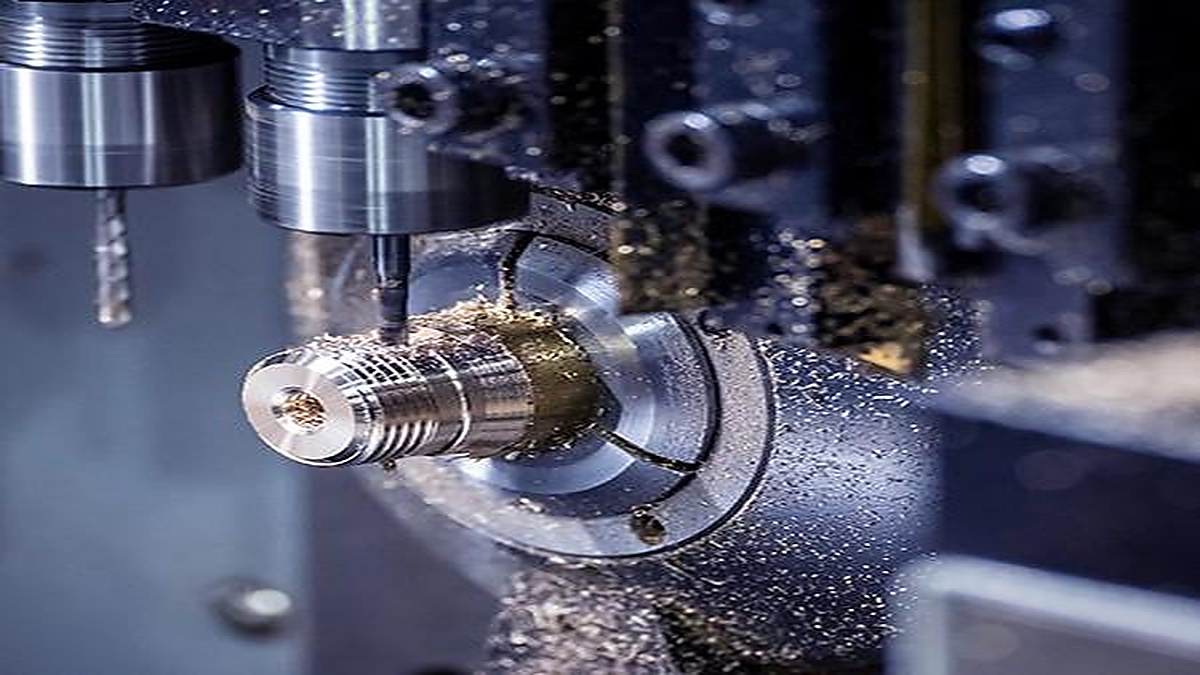
An oil mist recovery air purifier is an air treatment device specially designed for industrial environments. Its primary functions are to filter, remove, and recover air pollutants such as oil mist, water mist, dust, and oil smoke generated during mechanical machining processes. These pollutants are commonly produced in high-speed processes like CNC machining, turning, milling, and grinding. They not only pose respiratory health risks to operators but can also adhere to machinery surfaces, affecting operational efficiency and equipment lifespan.
Through an efficient multi-stage filtration and recovery mechanism, oil mist purifiers effectively reduce the concentration of suspended particles, ensuring a clean and safe working environment. They have become essential equipment for modern factories striving for environmental protection, production efficiency, and occupational safety. Such systems are particularly suitable for industries with stringent air quality requirements, including metal processing, automated manufacturing, and electronic component production.
The Challenge of Industrial Oil Mist Pollution
In today’s industrial machining environments, especially when using high-speed cutting equipment such as CNC lathes and milling machines, large amounts of oil mist and fine aerosol particles are often generated during the machining process. These particles not only remain suspended in the air and disperse with airflow but also gradually settle on floors, walls, machinery, and work areas, posing multiple risks and potential hazards.
If not properly managed, oil mist can create slippery surfaces on the floor, increasing the risk of slips and workplace accidents. Additionally, airborne oil mist particles may cause long-term respiratory health issues for workers. Moreover, if oil mist infiltrates the interior of CNC machines, it can lead to moisture accumulation and contamination of components, potentially causing malfunctions that affect machining accuracy and equipment lifespan.
Therefore, implementing oil mist recovery air purifiers with high-efficiency filtration and recovery capabilities has become a critical strategy for modern factories to ensure operational safety, maintain equipment stability, and achieve sustainable production.
Tackling Pollution at Its Source
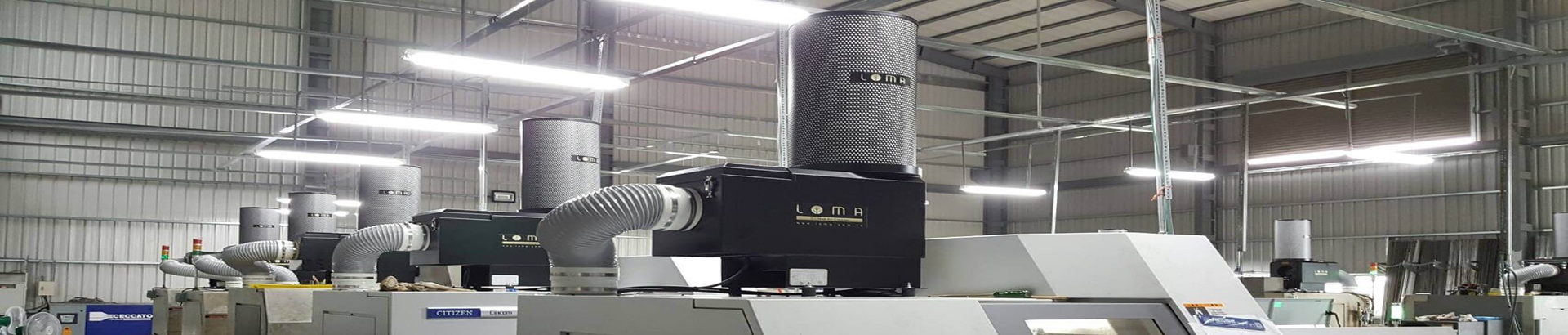
The oil mist recovery air purification system is specially designed for machining lines such as CNC lathes, milling machines, and grinding machines. It seamlessly integrates with various types of machinery, effectively intercepting oil mist and suspended particles generated during the machining process at the source. The system employs multi-layer filter media and patented technology, combining a three-stage process of separation, filtration, and recovery. It not only efficiently removes oily particles larger than 0.2μm but also recovers cutting oil for reuse, significantly reducing consumable losses and maintenance costs. This offers a purification solution that balances environmental sustainability and economic efficiency.
Technical Advantages and Key Features
This equipment offers multiple technical advantages, including filtration efficiency of up to 99.99%, effectively capturing ultra-fine particles. It operates with low noise and minimal vibration, ensuring no disruption to the work environment. The installation options are flexible, allowing for shelf-mounted, suspended, or floor-standing configurations to easily accommodate various production line requirements. The filter features a modular design for quick replacement and easy maintenance, providing long service life and cost-effective consumable use.
Applicable Machines & Industries
Applicable Machines
- CNC Lathes
- Milling Machines
- Grinding Machines
- Drilling Machines
Applicable Industries / Workshops
- Metalworking Industry: Captures oil mist and airborne particles generated during machining processes, ensuring a clean and safe working environment.
- Automotive Manufacturing: Removes oil mist from processes such as engine assembly, metal stamping, and painting.
- Aerospace Industry: Controls oil mist produced during machining, drilling, and other precision manufacturing operations.
- Printing Industry: Eliminates oil mist from inks and lubricants during printing press operations.
Key Advantage: The system can be seamlessly integrated with various machines and production lines, intercepting oil mist and fine particles at the source to improve workplace safety and enhance operational efficiency.
Real-World Benefits: Cleaner Air, Stronger Production
Oil mist recovery equipment not only effectively purifies the air within the facility but also helps comprehensively improve production line efficiency. In addition to enhancing the working environment and occupational health and safety for employees, it reduces the frequency of cleaning and maintenance, thereby extending equipment lifespan. At the same time, through pollution control and energy-saving benefits, it strengthens the company's environmental image and ESG performance, becoming a key asset in driving the production line toward sustainable competitiveness.
A Clearer Future Starts with the Right Air Purification System
In industrial settings, the "invisible pollution" is often the greatest hidden concern. Through professional technology and innovative design, oil mist recovery is no longer an added burden but an essential driver for production line upgrades and achieving sustainable operations.





.jpg)
.jpg)