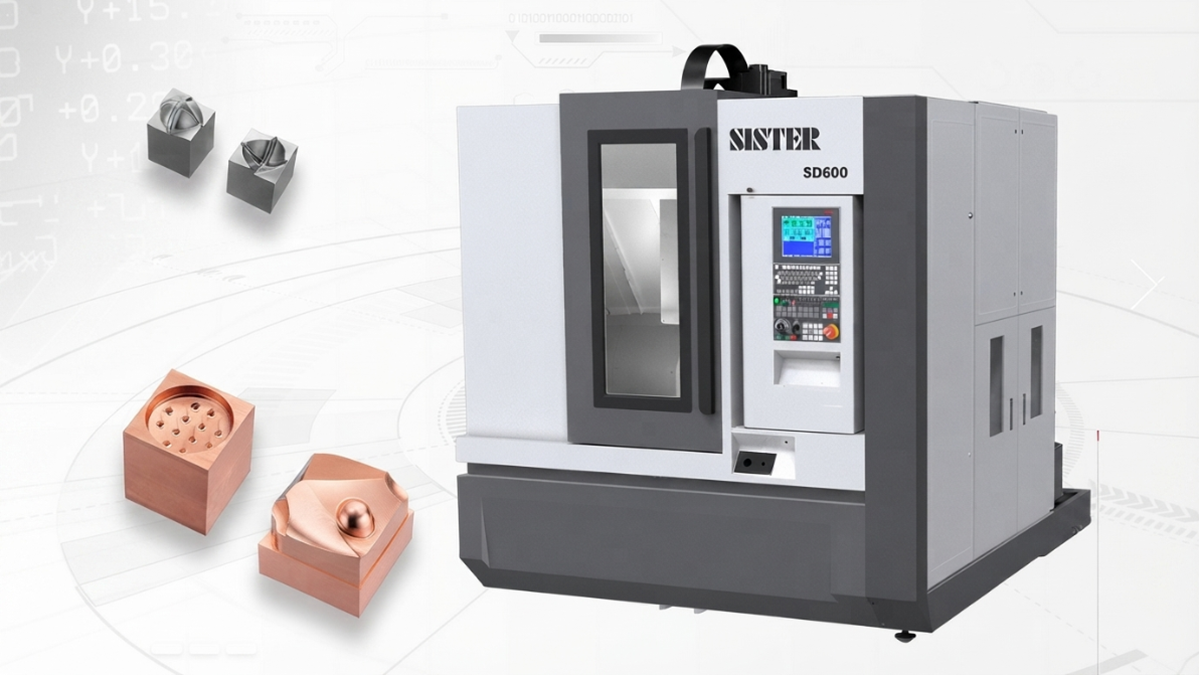
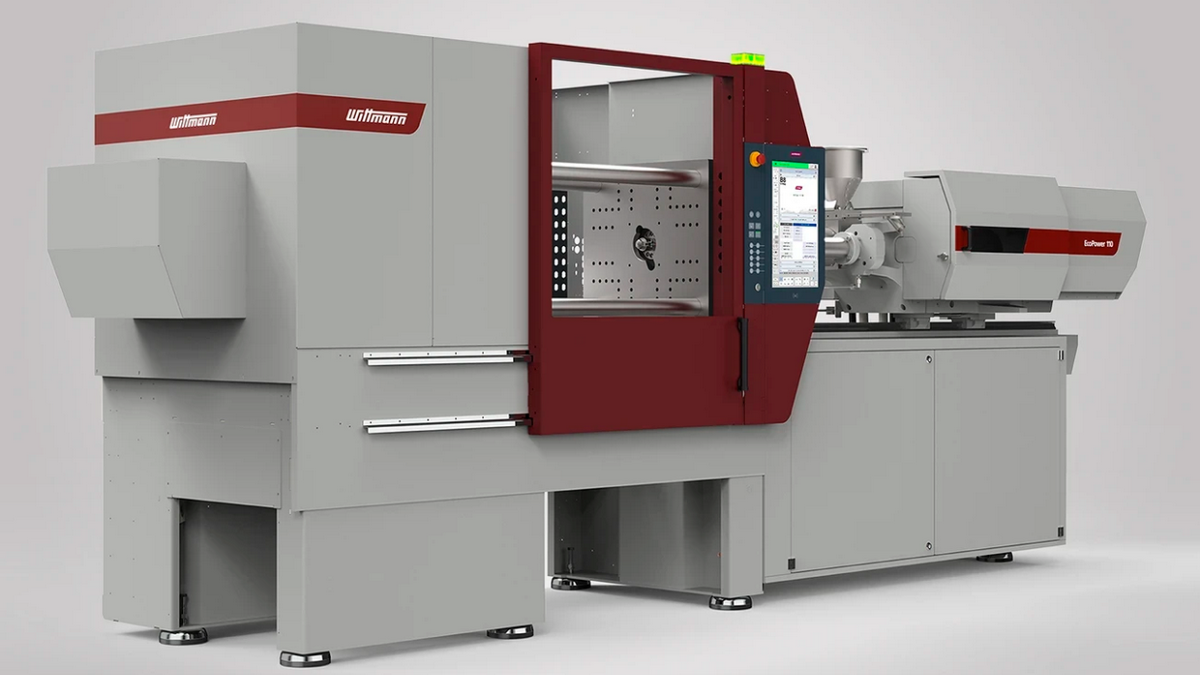
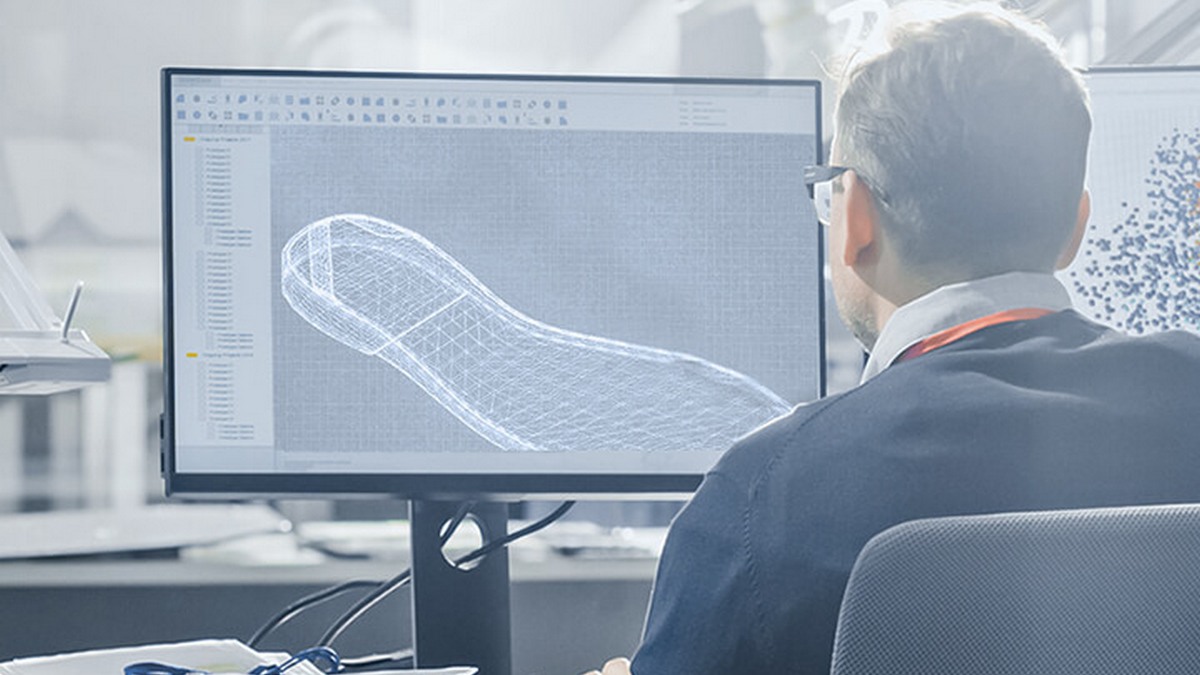
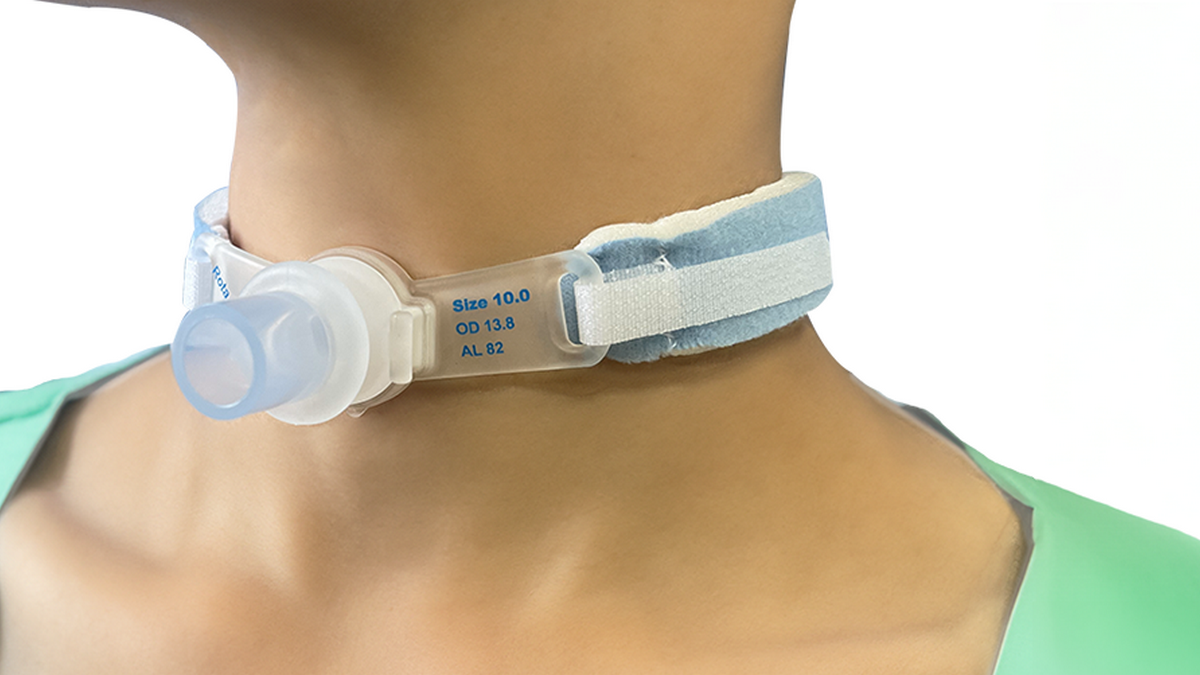
Modern manufacturing faces challenges of small-batch diversity, high customization, and shortened time-to-market. Traditional segmented outsourcing models struggle to respond effectively. Mold design, injection molding, and post-processing are handled by different vendors, often causing unstable delivery schedules, significant quality variations, and difficulty in making changes. To address these trends, the industry is accelerating toward integrated “one-stop” manufacturing services. Chiakuan Industrial Co., Ltd. has long focused on providing comprehensive plastic manufacturing solutions, covering mold design, injection molding, surface treatment, and assembly and packaging. This fully meets companies’ demands for “one-stop outsourcing,” significantly improving development efficiency and delivery quality, while enhancing rapid market response and competitiveness.
![Integrated Plastic Manufacturing: Industry Applications and Development Trends]()
Photo by https://photo.urb2b.com/photo/#/shared_space/folder/75
Taiwan Market & Key Trends in Beverage Ingredients
As competition intensifies in the manufacturing industry, brand owners and product development teams now expect more than just “basic production” from their OEM partners. They demand capabilities in “design, production, and post-process integration” to reduce development risks, improve delivery control, and ensure quality stability. Therefore, “Integrated Manufacturing Capability” has become a critical criterion for OEM/ODM supply chains when selecting partners.
Chiakuan Industrial actively advances this integration standard through the following aspects:
-
Integrated mold design and injection molding
From the design stage, manufacturing characteristics are deeply considered to significantly improve sampling success rates and production efficiency, avoiding mismatches between molds and mass production needs.
-
Vertical integration of assembly and packaging
Streamlining process flow effectively shortens production lead times while enhancing product yield and quality stability.
-
Mastery of new materials and precision processing technologies
In response to trends of lightweighting, multifunctionality, and environmental friendliness, Chiakuan continuously introduces new materials and advanced precision techniques to help products achieve differentiated competitiveness.
Integrated manufacturing capability not only boosts production efficiency but also ensures quality stability, manufacturing flexibility, and market competitiveness.
How Process Integration Enhances Supply Chain Resilience
In today’s manufacturing landscape, competition has shifted from isolated capabilities to “process integration and industry adaptability.” Chiakuan Industrial implements an integrated workflow covering mold development, precision injection molding, post-processing, and assembly, positioning itself not just as a production executor but as a crucial partner driving product realization.
Addressing the diverse needs of industries such as automotive, electronics, medical devices, and consumer goods, process integration delivers three key advantages:
-
Shortened Time to Market:Rapid transition from design optimization to mass production, particularly suited for the fast-paced consumer goods market.
-
High Precision and Strict Quality Control:Ensuring compliance with relevant regulations and industry standards through material management, mold fine-tuning, and batch traceability.
-
Integrated Design and Manufacturing Processes:Early involvement in risk assessment during product development, effectively reducing communication and trial-and-error costs, thereby enhancing overall efficiency and quality consistency.
This end-to-end manufacturing capability is the core driver for ensuring stable product launches and sustained competitiveness in a dynamic market environment.
Process Adaptation and Advantages Across Industries
Today, manufacturing competition has shifted from single-point capabilities to process integration and industry adaptability. Chiakuan Industrial, through an integrated workflow encompassing mold development, precision injection molding, post-processing, and assembly, is no longer merely an executor but a key partner driving product realization.
Addressing the distinct needs of automotive, electronics, medical, and consumer goods industries, process integration offers three major advantages:
-
Shortened Time to Market: Rapid response from design optimization to mass production rollout, especially suited for the fast-paced consumer product cycle.
-
High Precision and Quality Control:Implementation of material management, mold fine-tuning, and traceability systems to ensure compliance with regulations and industry standards.
-
Integrated Design and Manufacturing to Reduce Communication and Trial Costs:Early involvement in product development risk assessment enhances overall efficiency and consistency.
This end-to-end manufacturing capability is a core competitive advantage for stable product delivery in a volatile market.
Technological Developments and Future Strategies
Modern manufacturing has evolved beyond traditional single-process and cost-focused approaches. Enterprises now place greater emphasis on advanced services such as “collaborative design,” “process integration,” and “manufacturing flexibility.” Especially in sectors like automotive electronics, medical devices, and 3C products, where complex structures and stringent regulations pose significant challenges, contract manufacturers unable to provide systematic support will struggle to achieve rapid and stable mass production.
Manufacturing partners with one-stop capabilities—from mold development, injection molding, surface treatment to assembly—can intervene early in the design phase to optimize processes, reduce prototyping and communication costs, and ensure consistent quality throughout the entire workflow. This integrated contract manufacturing model not only accelerates product time-to-market but also becomes a critical driver for improving supply chain efficiency and competitiveness.
Conclusion
The competitiveness of modern manufacturing has moved beyond single-process efficiency, relying instead on the collaborative integration and technical support capabilities across the entire manufacturing chain. This is the key driving force behind Chiakuan Industrial’s success in smoothly bringing products from concept to mass production.