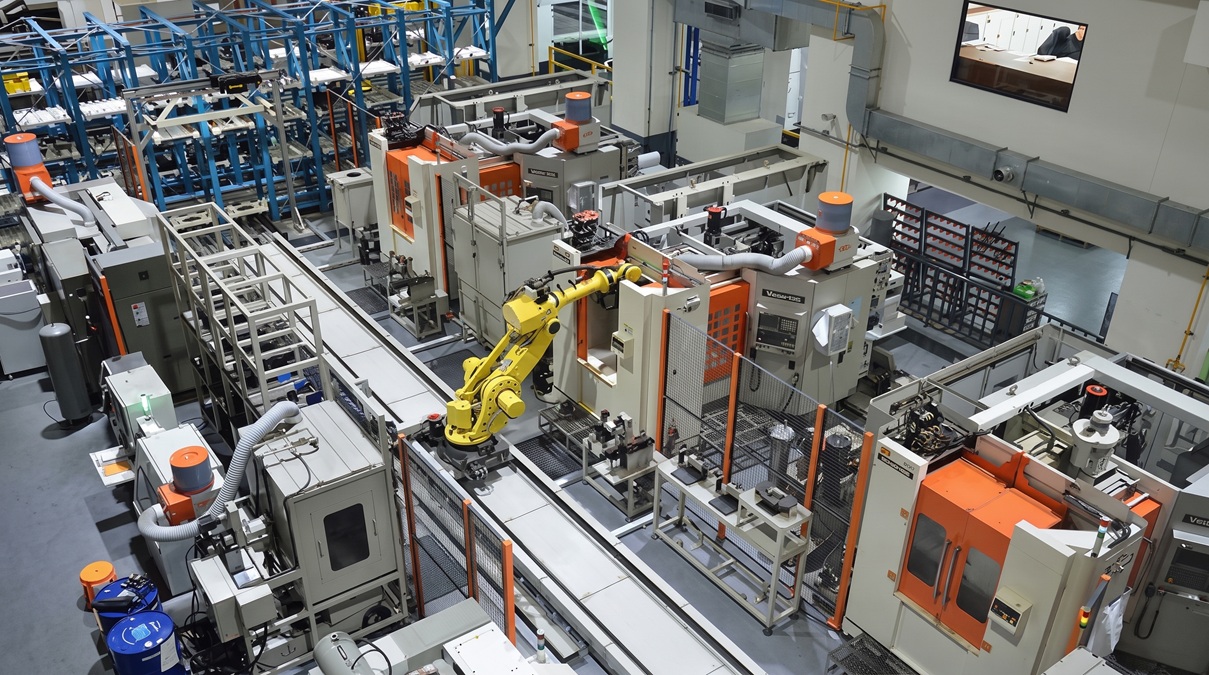
Tool reconditioning is witnessed to be gaining in popularity as companies try to balance cost savings with high worker productivity and project completion rates. Processes like machine tool reconditioning, tool regrinding, and end mill regrinding are all viable options for both large and medium-sized facilities to consider.
Definition of Tool Refurbishment
Remanufacturing, reconditioning, and repairing all mean different things. According to the Scottish Institute for Remanufacture, the definitions are:
- Remanufacture returns a used product in line with new performance specifications and gives the resultant product a warranty that is at least equal to that of a newly manufactured equivalent.
- Reconditioning returns a product to a satisfactory working condition that may be inferior to the original specification and gives a warranty less than the newly manufactured product.
- Repair corrects specified faults in a product and gives a warranty less than the newly manufactured product that may not cover the entire product.
Originally, manufacturers would try to repair parts in a bid to save time and money. They might have repaired apart by removing the worn area, using basic, manual welding technologies to build material up and then machining it back to purpose.
Keep Worn Parts in Use
In the manufacturing industry, an immediate reaction to a failed or worn part is to purchase a new one. With masses of regulations in place, why take the risk of remanufacturing a part that could result in failure? With a new part, you can safely say that the quality meets your needs and matches the desired tolerance and specifications.
However, if you consider the cost and the long lead time that it takes to get that part, the cost of stalled production while you wait, and the increased carbon footprint generated by waste metal, remanufacture becomes a lot more attractive.
Take a wind turbine. If there is a failure and you order a new component, it might take as long as 15 weeks to arrive. The break-in generation could waste thousands of pounds, on top of costs for the component.
Before buying new machine tools, consider how tool regrinding and reconditioning can bring your existing investments back to life.
The cutting tools, end mills, carbide drills, and other machine tools used in industrial metalworking and milling applications aren’t cheap. These tools take a beating in the workplace and usually wear down over time, but there are often options beyond purchasing new replacements.
Tool reconditioning is gaining in popularity as companies try to balance cost savings with high worker productivity and project completion rates. Processes like machine tool reconditioning, tool regrinding, and end mill regrinding are all viable options for both large and medium-sized facilities to consider.
Giving metalworking tools a new lease on life provides a variety of benefits for the companies that invest in these products. Extending tool life with reconditioning can help justify the initial cost of high-performance cutting tools, which can provide increased efficiency and productivity but can also quickly drain a tooling budget. “Cost-justifying these tools often requires regrinding and reconditioning them when they are worn or damaged,” Cutting Tool Engineering confirms.
Extending Tool Life
For metalworkers, the tool reconditioning process not only helps extend the life of the tool itself, but it also helps companies save money in today’s cost-conscious manufacturing environment. By working with a metalworking specialist, companies can leverage the innovative processes that regrind a wide variety of tools to manufacturer tolerances.
In its most recent Carbide Tools Market Challenges and Opportunities Report, Research Markets highlights the research firm notes that reconditioning carbide tools helps companies reduce inventory costs and avoid material waste. By restoring a machine tool instead of purchasing a new one, companies can avoid potential breakdowns and increased maintenance costs that come with running old, worn-down products. In return, they get an almost-new product that’s been restored to its original performance levels — a particularly important “win” for high-volume, high-speed milling operations.
The global market is anticipated to rise at a considerable rate during the forecast period. In recent years, the market was growing at a steady rate, and with the rising adoption of strategies by key players; the market is expected to rise over the projected horizon. Increasing automation of machinery to reduce manual labor is boosting the growth of the market tremendously.