What is a Spark Erosion Machine?
Knowledge

What is a Spark Erosion Machine?

Spark erosion machine is a type of EMD machine. It is precision-machined by releasing current. It is an industrial manufacturing process.
Published: Mar 23, 2020
What is a Spark Erosion Machine?

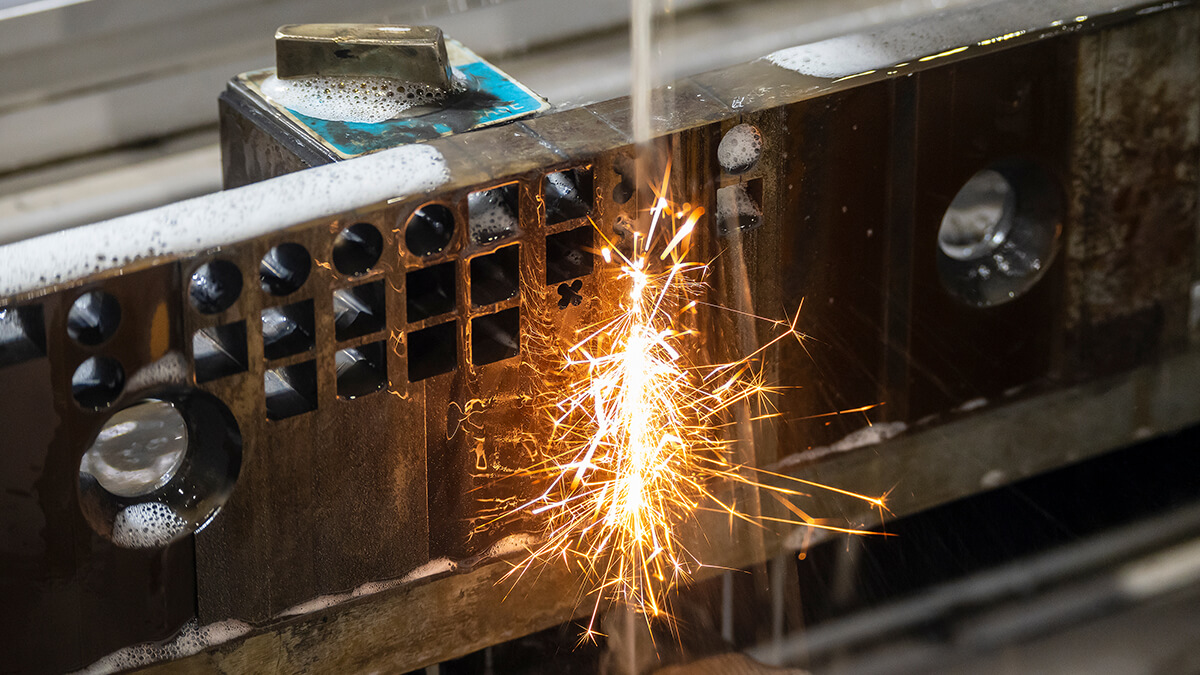
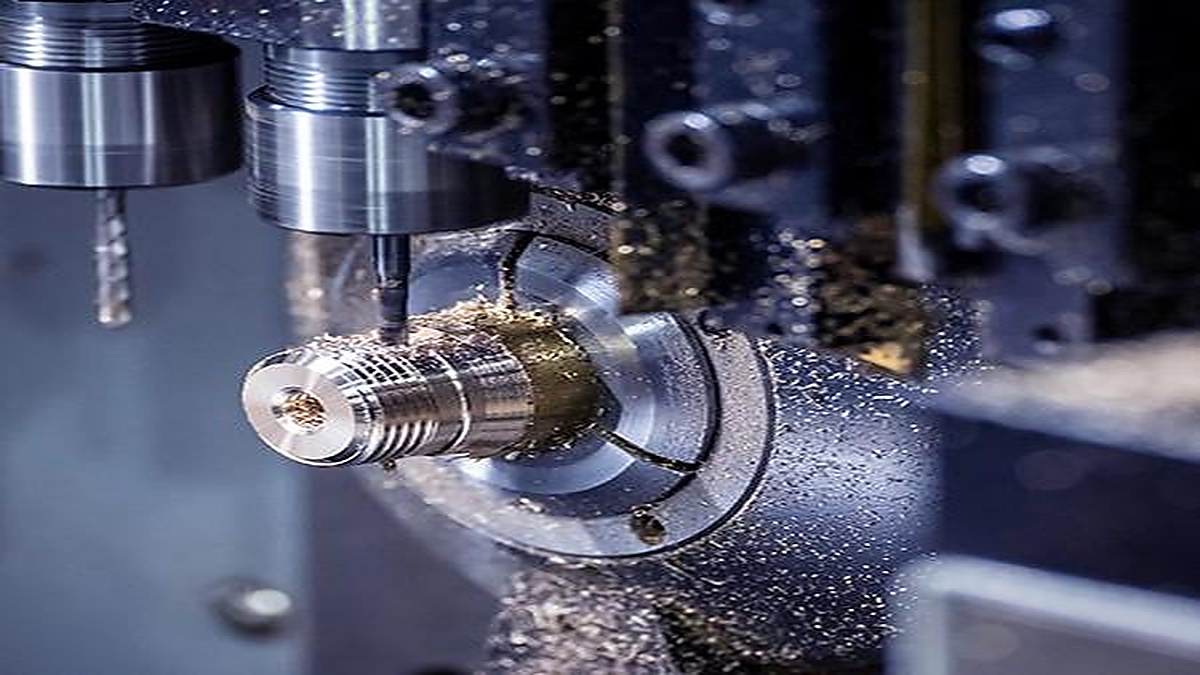
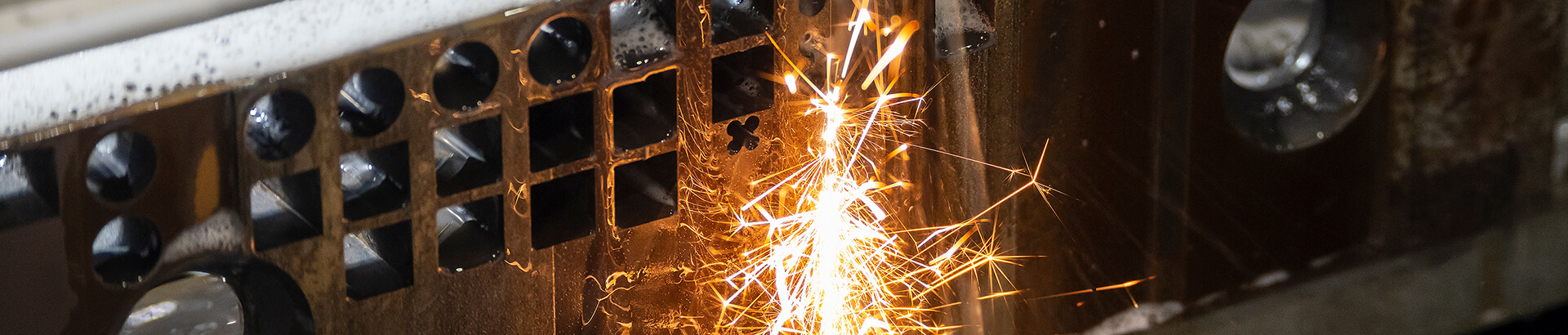
The spark erosion machine is a kind of electric discharge machine. It is used to create blind cavities and in situations where conventional milling machines or lathes are not possible, such as when sharp corners or materials that are particularly difficult to machine, then we need electrodes, and hexagonal sharp electrodes produce hexagonal-shaped pockets. It can be an internal spine or external spine electrode, a barrel electrode, or even a threaded electrode that promotes copper graphite or even copper tungsten. During the spark erosion machine, the electrode and the workpiece are surrounded by oil, using a dielectric fluid. When a controlled power and distance is applied between the electrode and the workpiece, it acts as a resistor between the electrode and the workpiece, the correct spark After the dielectric fluid is hopped and a small amount of workpiece will enter the servo and corrode from the desired position, the power supply, and its position can be controlled very precisely by the machine and program.

We put the spark into a hexagonal shape and enter the work piece. The spark erodes on the entire surface of the electric wire, causing spark corrosion when the smoke is extracted and the oil turns black from the erosive particles. In addition to being used as a resistor, the oil is also used. To remove the eroded particles, which pass through the filter system and the cooler, and then flush in front of the electrodes, the spark erosion works best to clean the frozen dielectric fluid. The electrode turbulence also helps to clean the dielectric to the electrodes and workpieces. Between the spaces, then stop the electrode processing and lift, if we set the machine to run in its final setting, the corroded shape is a rough setting, some materials can be removed fairly quickly, and the power supply will be steadily reduced the size of the spark, the servo will reduce the spark gap, and besides, we will program the machine to move along the hexagonal trajectory of the track, not just vertically into the workpiece, so finishing takes some time, and the surface finishing required to control the parts produced.

Published by Mar 23, 2020 Source :Youtube

Further reading

You might also be interested in ...

Headline
Knowledge
Industrial Ultrasonic Cleaning Machines-Applications, Specifications, and Buyer Selection Guide
An industrial ultrasonic cleaning machine is a precision cleaning system that uses high-frequency sound waves to remove contaminants from surfaces. Unlike manual or spray-based cleaning, ultrasonic systems rely on cavitation the rapid formation and collapse of microscopic bubbles in a liquid medium to dislodge particles from even the most complex geometries.
Headline
Knowledge
Scaling and Corrosion in Plastic Machinery Cooling Systems: Causes, Risks, and Preventive Measures
Scaling and corrosion are persistent risks in plastic machinery cooling systems. This article outlines their causes, their effect on heat transfer and flow stability, and practical maintenance measures manufacturers can use to reduce efficiency loss, blockage risk, and long-term equipment damage.
Headline
Knowledge
Chemical Packaging Lines Evolve as Safety and Precision Demands Increase
As chemical manufacturers face stricter safety regulations and complex material requirements, packaging lines are evolving from standalone machines into fully integrated production systems. This article explores key considerations including filling technology selection, equipment durability under chemical exposure, workplace safety, and the shift toward complete system solutions. Understanding these factors helps manufacturers improve accuracy, ensure safety, and enhance overall production efficiency in hazardous chemical packaging environments.
Headline
Knowledge
Grease Pumps in Maintenance Operations: Types, Applications, and Selection Considerations
A Practical Guide to Grease Pump Applications, Performance, and Selection
Headline
Knowledge
BLDC vs. Induction Motors in Lifting and Hoisting Applications: Efficiency, Safety, and System Cost
What makes BLDC motors a better fit for today’s lifting and hoisting systems.
Headline
Knowledge
Improving Multi-Computer Workflow Efficiency with a 4-Port USB-C KM Switch
How mouse roaming, 10Gbps USB sharing, and flexible control help streamline modern multi-system environments
Headline
Knowledge
How Anti-Static And Protective Films Reduce Surface Damage In Sensitive Manufacturing
In sensitive manufacturing, many costly defects do not begin with machine failure or operator error. They begin with static charge, airborne particles, micro-scratches, adhesive residue, and unnoticed surface contamination. These issues are often underestimated because they appear as scattered defects rather than one major failure. Yet in electronics, optics, display processing, and coated surface production, even small flaws can reduce yield, increase rework, slow inspection, and weaken final product quality.
Headline
Knowledge
What Buyers Should Know Before Choosing a Automatic Plastic Blow Molding Machine
For buyers, factory owners, and packaging manufacturers, selecting an automatic blow molding machine is no longer just a matter of comparing output speed or initial price. In real production environments, the performance of a plastic blowing machine is often determined by the quality and coordination of its core components. A machine may appear competitive on paper, yet still create costly problems once production begins. Uneven wall thickness, unstable parison formation, excessive scrap, slow cooling, and difficult maintenance are all issues that can usually be traced back to the design of several key modules. This is why experienced buyers tend to look beyond catalog specifications and focus instead on the machine’s screw, die head, clamping system, and cooling design. These components do more than support production. They directly influence product quality, material efficiency, energy use, maintenance frequency, and overall return on investment.
Headline
Knowledge
What Buyers Overlook When Choosing a Wire Harness Manufacturer
A practical guide to evaluating engineering support, quality control, customization and sourcing risk
Headline
Knowledge
How High-Efficiency Gear Motors and Brushless Motors Support ESG and Energy Savings
Industrial motor efficiency directly affects a factory’s electricity use, carbon footprint, maintenance burden, and long-term operating cost. For factory owners, procurement teams, and equipment designers, choosing a more efficient gear motor or Brushless Motor is not only a technical upgrade. It is also a practical way to improve ESG performance, reduce energy waste, and strengthen return on investment. In most industrial facilities, motors are among the largest sources of electricity consumption. When motors run continuously in conveyors, packaging lines, automated machinery, food processing systems, and material handling equipment, even a modest improvement in efficiency can produce significant annual savings. That is why motor efficiency is increasingly linked to ESG strategy, cost control, and supply chain competitiveness.
Headline
Knowledge
Die Casting Vs. Forging: How To Choose Based On Strength, Geometry, And Volume
Choosing between die casting and forging affects far more than part cost. It influences structural performance, design flexibility, tooling strategy, machining requirements, lead time, and long-term production efficiency. When the wrong process is selected too early, projects often run into redesigns, extra machining, or higher-than-expected production costs. The right decision depends on how much strength is required, how complex the part geometry is, and whether the target is lower-volume production or stable high-volume output.
Headline
Knowledge
How Material Design Affects Fitness And Rehabilitation Rubber Products
In fitness and rehabilitation products, material design has a direct effect on performance, comfort, durability, hygiene, and long-term user trust. A resistance band that stretches unevenly, a grip that becomes slippery, or a flexible component that tears too early can quickly lead to complaints, returns, and lower confidence in the product. The key challenge is not simply choosing an elastic material. It is selecting and validating a material system that can perform consistently under repeated stretching, skin contact, sweat exposure, and ongoing mechanical stress.
Agree