
- Showing results for
- Rubbers & Plastics
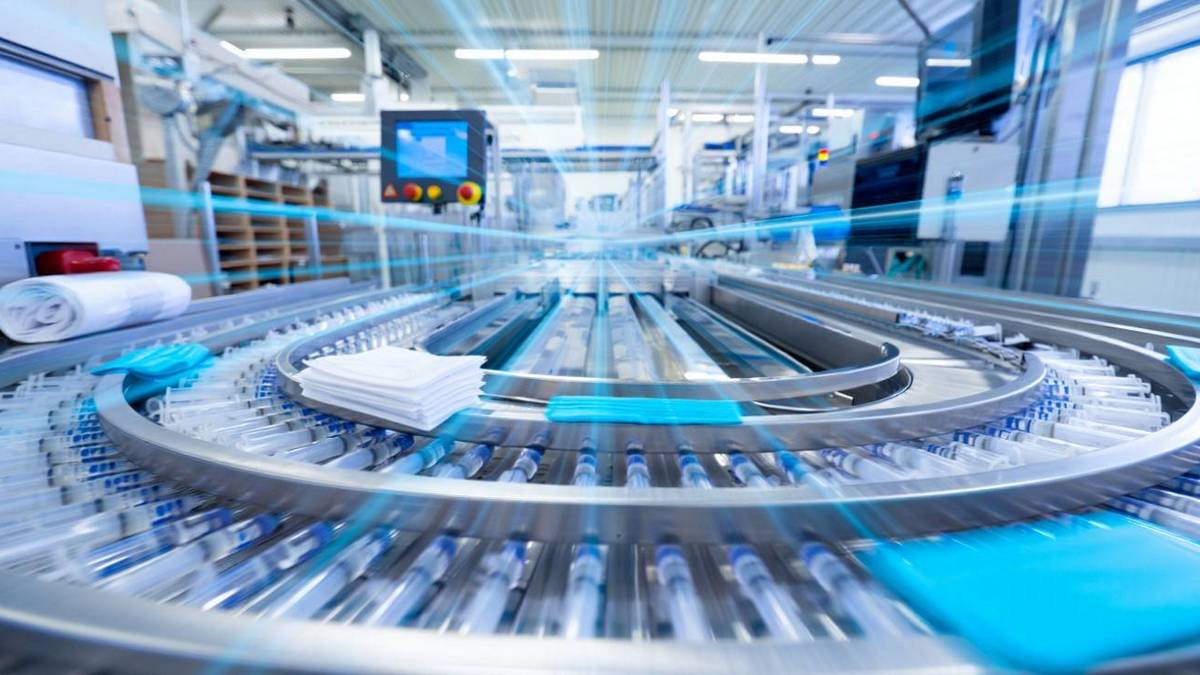
The landscape of medical device manufacturing has shifted dramatically. The days of predictable, long-lead-time forecasting are fading. In their place is a market defined by volatility, rapid innovation cycles, and the urgent need for supply chain resilience. For medical device startups and established OEMs alike, the choice of a medical plastic components manufacturer is no longer just about cost—it is about speed and agility.
2026-03-20 09:31:50
.jpg)
In the manufacturing sector, integrated workflows for plastic production—from recycling to film extrusion, bag making, and printing—play a crucial role in enhancing efficiency and sustainability. These systems enable manufacturers to handle the full lifecycle of plastic materials, addressing environmental concerns while optimizing operational costs. As industries shift toward circular economies, understanding these processes provides valuable insights for both new entrants and established operations seeking upgrades.
2026-02-11 08:44:50

BI-FIT Composite Board offers a sustainable, high-performance alternative to traditional shoe and board materials by combining recycled plastics, adhesive-free construction, and durability to reduce environmental impact.
2025-12-01 09:37:08
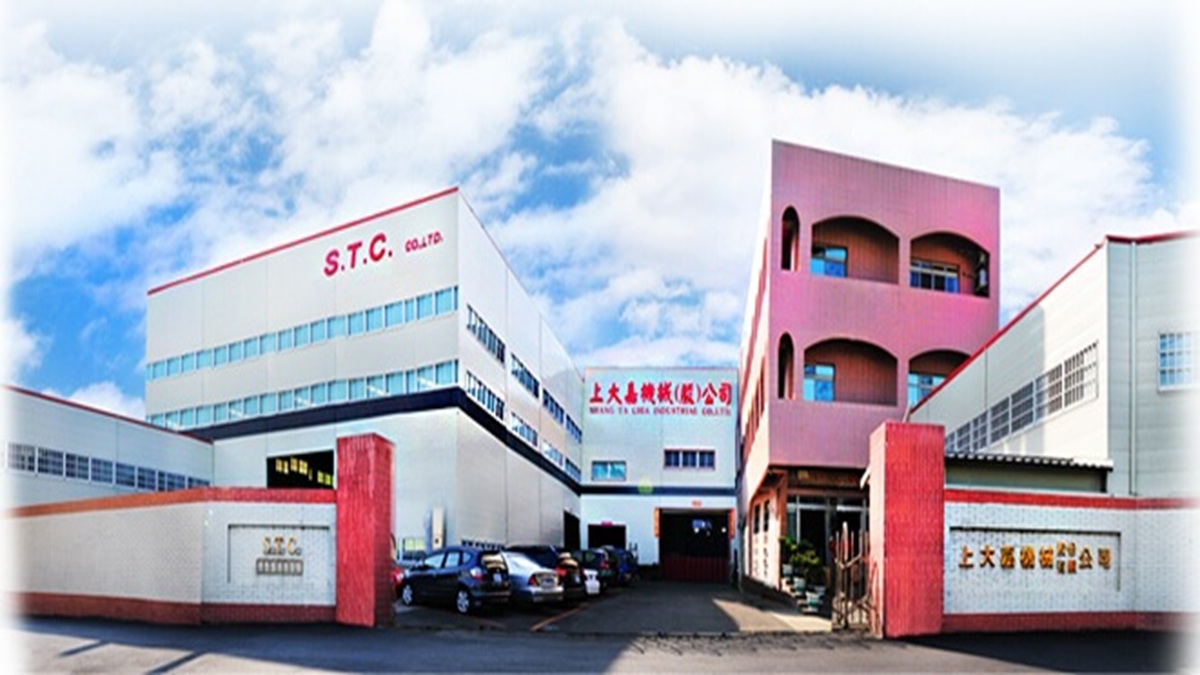
Since its establishment in 1984, Shang Ta Chia Industrial Co., Ltd. (STC Machinery) has focused on the design and manufacturing of plastic sheet extrusion lines, accumulating over forty years of independent R&D experience. As the global plastics industry undergoes transformation and upgrading, the company not only provides high-performance extrusion equipment but also assists clients in enhancing production capacity and efficiency with a rigorous quality control system and innovative technologies, propelling the entire industry chain toward intelligent and sustainable development.
2025-08-28 12:15:29

In Taiwan, many quietly dedicated companies play key roles in their respective fields. Yeh Her Yow Plastic Co., Ltd. (HER YOW), with over forty years of experience in plastic injection molding, is one such company. With professional technology and stable quality, they have long provided manufacturing solutions across various industries. Facing the global transformation of the manufacturing sector, Yeh Her Yow actively pushes for industry-wide innovation and technological advancement, continuously boosting its competitiveness to become a stable benchmark in the plastic injection industry.
2025-08-28 10:08:24

The global challenge of plastic pollution has highlighted recyclable and biodegradable plastics as two key pathways toward sustainability. Recyclable plastics support a circular economy by reducing raw material use, energy consumption, and landfill waste, but face obstacles such as low recycling rates, quality degradation, and complex sorting. Biodegradable plastics, on the other hand, can break down naturally and reduce environmental accumulation, often using renewable resources; however, they require specific conditions for decomposition, may release greenhouse gases, and struggle with market acceptance. While each option offers distinct advantages, neither alone is sufficient. A dual approach - improving recycling systems while advancing biodegradable technologies - combined with government support, industry innovation, and consumer education, is essential to creating a more sustainable future for plastics.
2025-08-21 15:50:21
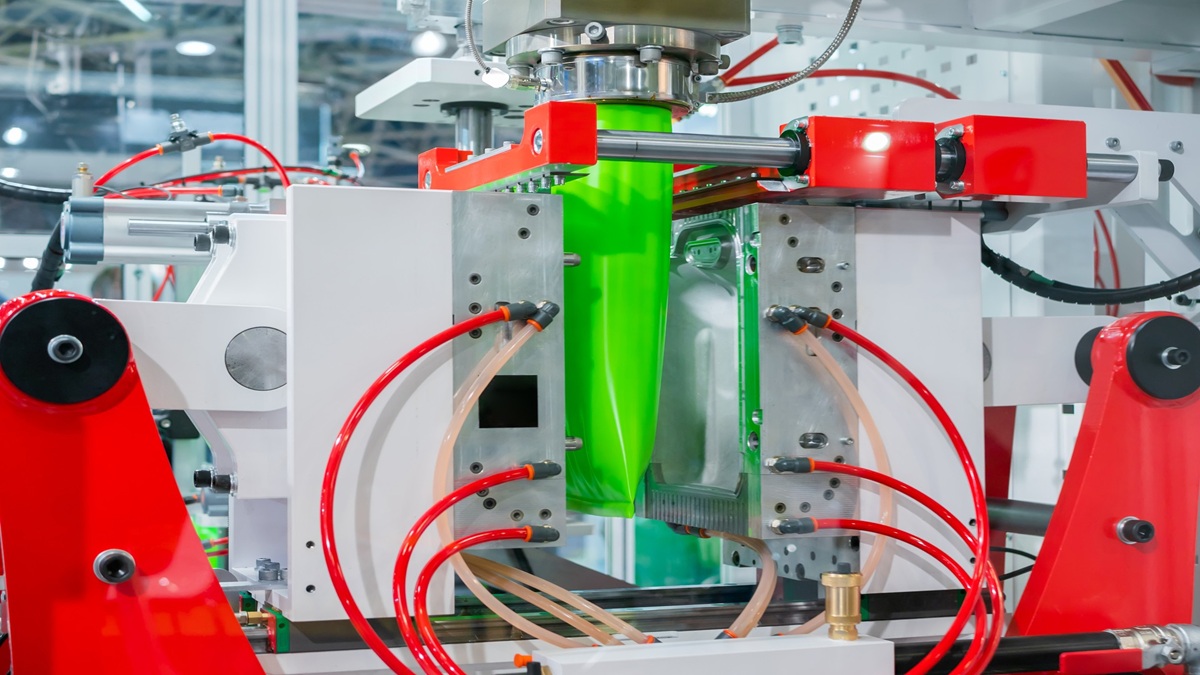
Blow molding technology traces its roots back to the ancient art of glassblowing. As early as the 1st century BC, the Phoenicians had already mastered glassblowing techniques. In the early 20th century, this principle was successfully adapted to plastics processing, leading to the creation of the world’s first plastic blow molding machine. From beverage bottles and cosmetic jars to large water tanks and automotive fuel tanks, blow molding enables the efficient and consistent mass production of a wide range of hollow plastic products. These items not only feature uniform wall thickness and lightweight design but also offer durability and functionality. This fusion of ancient wisdom and modern craftsmanship has made blow molding an indispensable core technology in both everyday life and industrial manufacturing.
2025-08-21 12:04:17
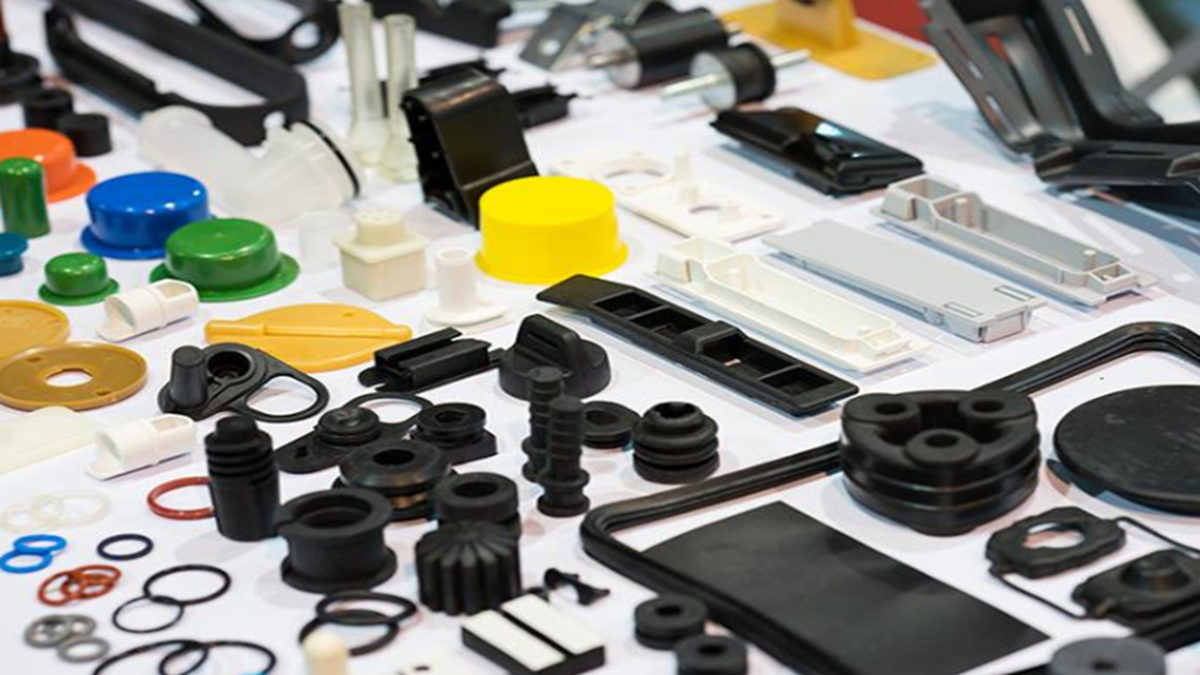
Rubber and plastic are both polymer materials, but they differ in origin and characteristics—and their environmental impact after disposal is significant. In response to sustainability challenges, the industry is beginning to optimize processes and materials from the production side, moving toward eco-friendly manufacturing. Taiwan-based Sanhao Rubber has started implementing automation and renewable energy solutions to promote green production and boost competitiveness, demonstrating its dual commitment to both technology and sustainable development.
2025-08-20 14:54:13
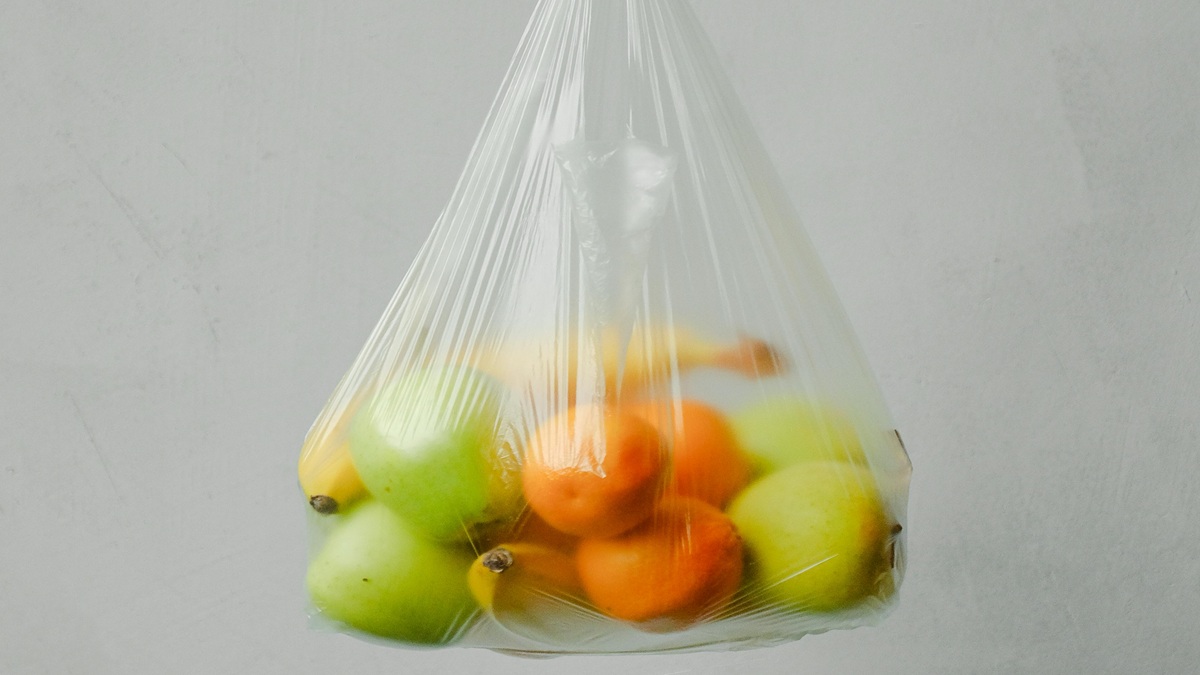
Plastic materials are indispensable raw materials in modern manufacturing. Based on their chemical structures and processing characteristics, plastics are mainly classified into two categories: thermoplastics and thermosets. Understanding the properties of these two types aids in material selection and product design, thereby enhancing manufacturing efficiency and product performance.
2025-08-12 14:47:18

With the rise of environmental awareness and the global push for sustainable development goals, traditional plastics face increasing environmental pressure due to their challenges in decomposition and recycling. In response, the manufacturing industry is actively developing and applying eco-friendly plastic materials to build green manufacturing systems. This article explores the types, characteristics, and industrial applications of eco-friendly plastics to assist industry transformation and upgrading.
2025-08-12 14:29:05

Plastic materials are widely used across various industries due to their lightweight, ease of molding, and versatile properties. However, different types of plastics exhibit distinct mechanical, thermal, chemical, and dimensional stability characteristics, which directly affect the final product’s performance and service life. Therefore, understanding the performance indicators of plastics is fundamental to designing and manufacturing high-quality plastic products.
2025-08-12 14:08:07
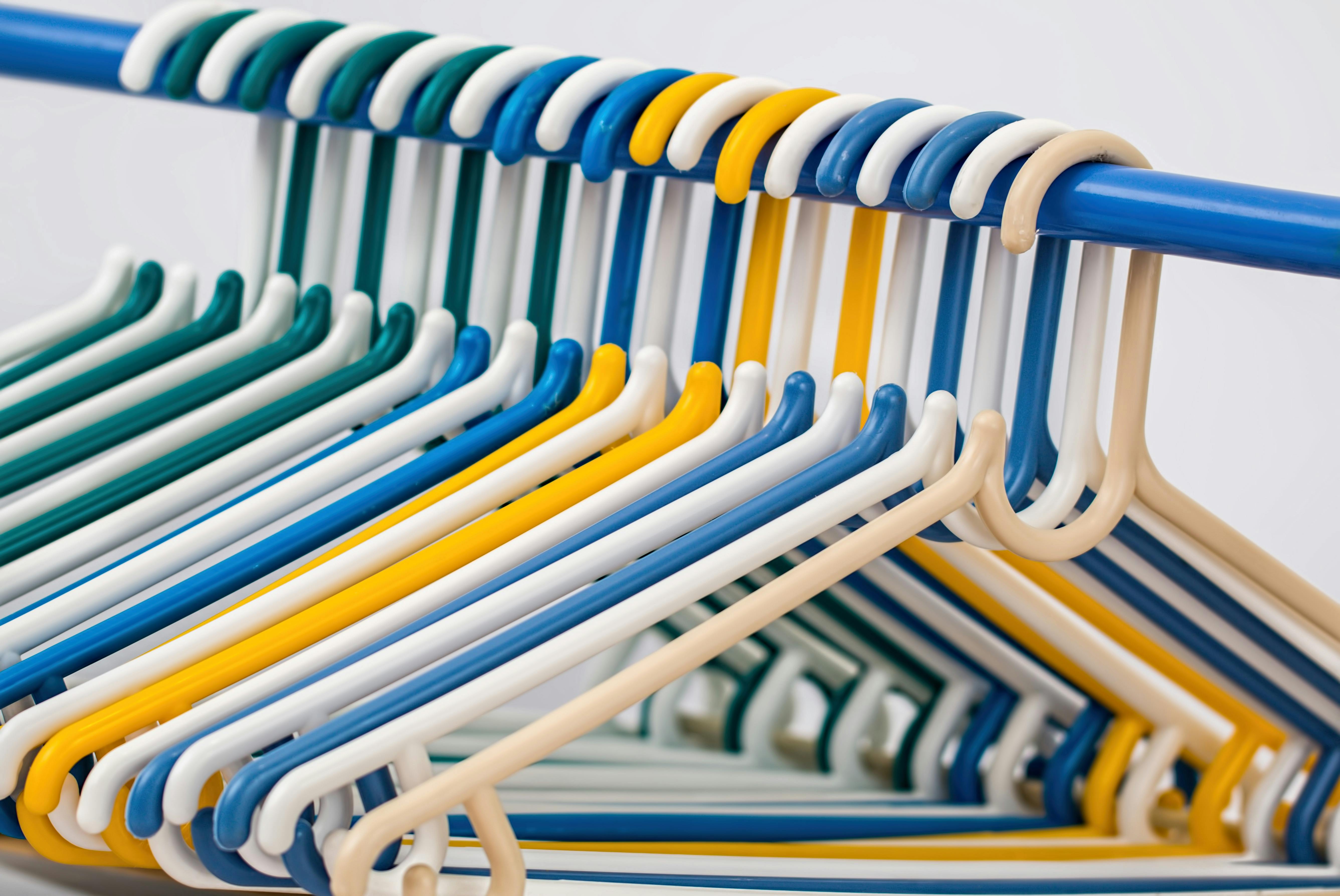
Plastic products play an indispensable role in modern manufacturing, and various plastic processing techniques are crucial for achieving product diversity and efficient production. The following introduces five common and important plastic processing methods, helping readers gain a thorough understanding of their principles, features, and application scopes.
2025-08-12 13:41:34

Vertical injection molding machines, owing to their unique structural design and operational advantages, are widely used in electronics, medical devices, automotive components, and high-precision plastic part manufacturing. They are especially indispensable for insert molding and in-mold decoration (IMD) processes. As global manufacturing advances toward smarter, higher-efficiency operations, the vertical injection molding machine market is showing several clear trends.
2025-08-12 12:01:38
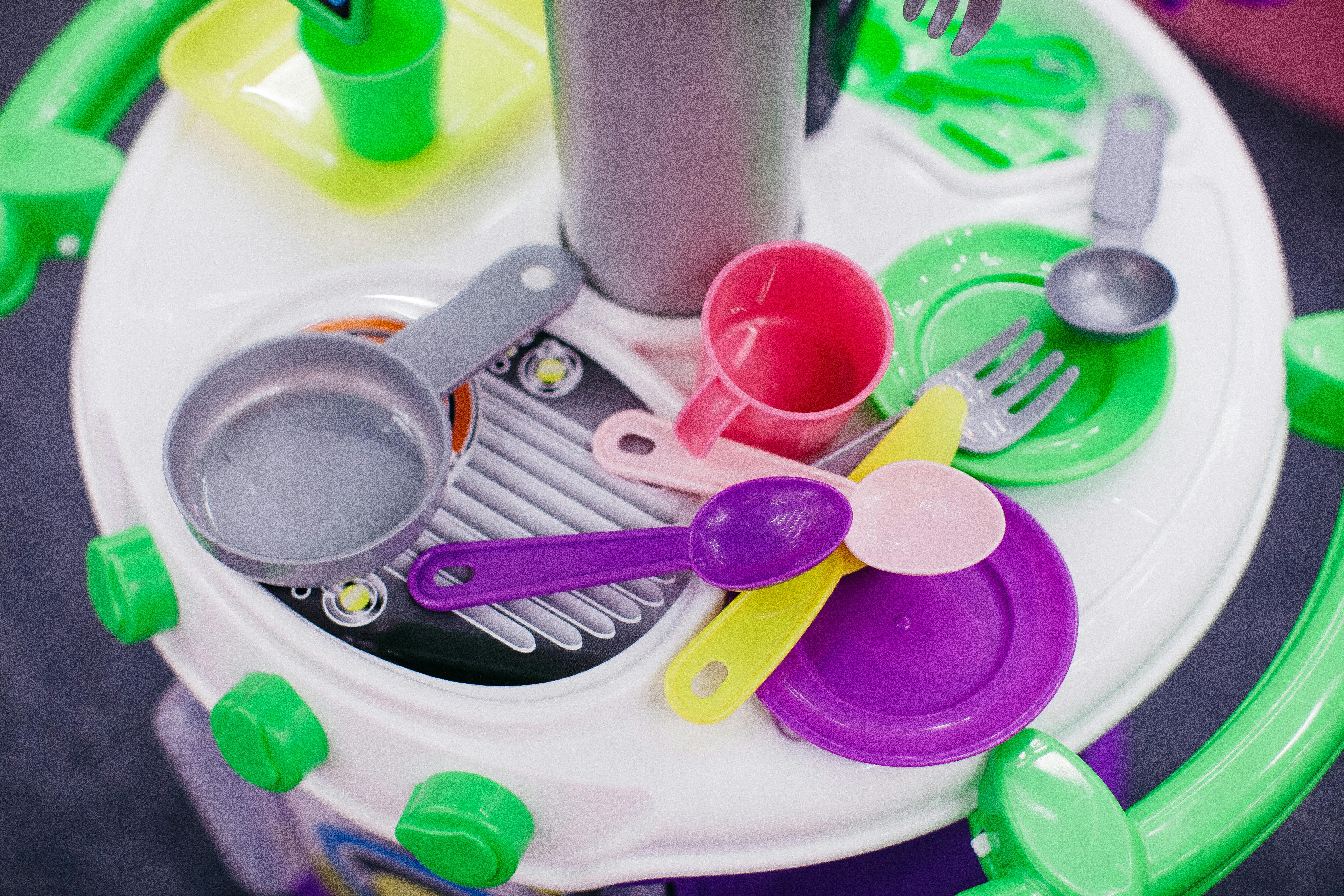
Since its establishment in 1988, Multiplas Co., Ltd. has upheld the core values of Innovation, Integrity, Responsibility, and Service, dedicating itself to the research, development, and manufacturing of specialized injection molding technologies and equipment. Over the years, Multiplas has built a prestigious reputation and earned the trust of customers worldwide in the plastics industry.
2025-08-12 11:37:57
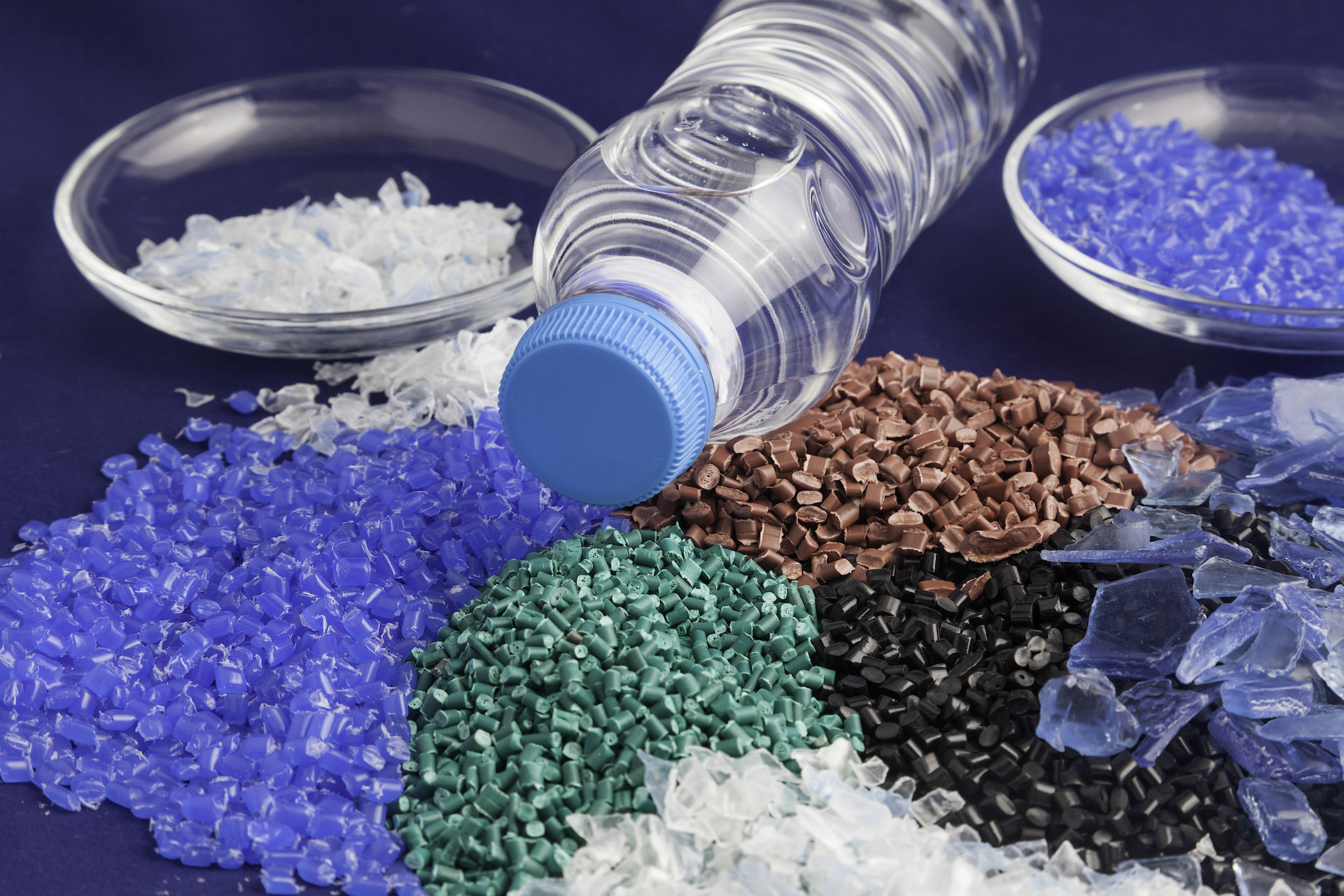
Precision molds form the foundation for the quality and efficiency of plastic part molding. In today’s highly competitive manufacturing environment, the design and fabrication of molds directly impact a product’s functional performance and market competitiveness. Excellent mold development requires not only precise engineering design but also the integration of advanced machining technologies and rigorous quality control to achieve efficient and stable mass production.
2025-08-12 11:03:21
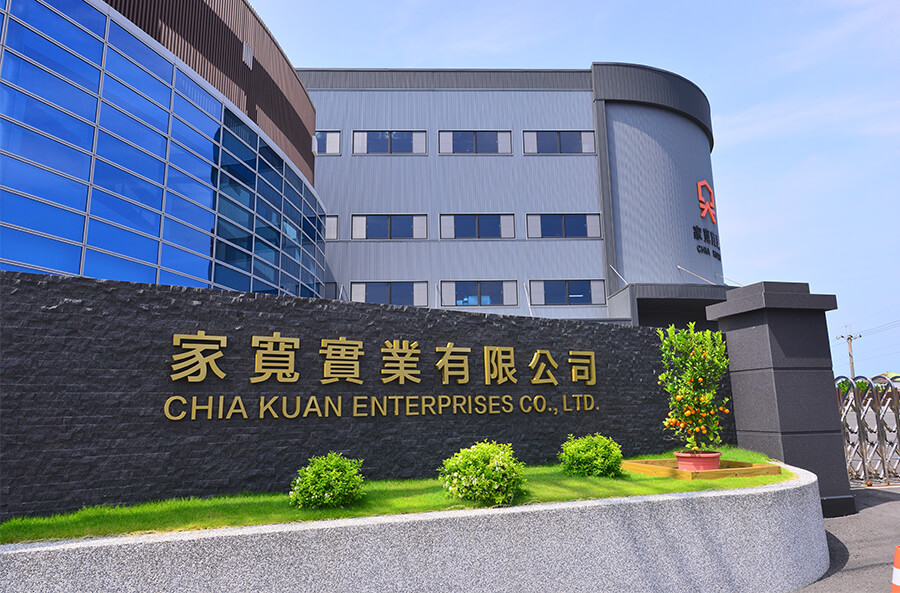
Founded in 1986 as Hsing Chia Enterprise, Chiakuan Industrial has accumulated over 36 years of experience in plastic injection molding and mold development. Since its reorganization and capital expansion in 1996, the company has adhered to the principles of integrity, reliability, and sustainable operation, offering a one-stop manufacturing service from mold design and precision molding to surface finishing and packaging — ensuring consistent quality and on-time delivery.
2025-08-12 10:53:10

Modern manufacturing faces challenges of small-batch diversity, high customization, and shortened time-to-market. Traditional segmented outsourcing models struggle to respond effectively. Mold design, injection molding, and post-processing are handled by different vendors, often causing unstable delivery schedules, significant quality variations, and difficulty in making changes. To address these trends, the industry is accelerating toward integrated “one-stop” manufacturing services. Chiakuan Industrial Co., Ltd. has long focused on providing comprehensive plastic manufacturing solutions, covering mold design, injection molding, surface treatment, and assembly and packaging. This fully meets companies’ demands for “one-stop outsourcing,” significantly improving development efficiency and delivery quality, while enhancing rapid market response and competitiveness.
2025-08-12 10:14:17

In today's era where digital education and maker learning are prevalent, the design of teaching tools is no longer limited to static displays but is moving toward interactivity, modularity, and creative expansion. Flexible magnetic materials—especially flexible magnets that can be cut, printed, and adhered—are gradually becoming indispensable media in the new generation of educational settings. These materials can be flexibly applied to puzzle teaching aids, display boards, and modular signage systems. Moreover, due to their ease of processing and cost-effectiveness, they widely support hands-on practice and creative activities in STEAM education (Science, Technology, Engineering, Arts, and Mathematics).
2025-08-08 14:43:37
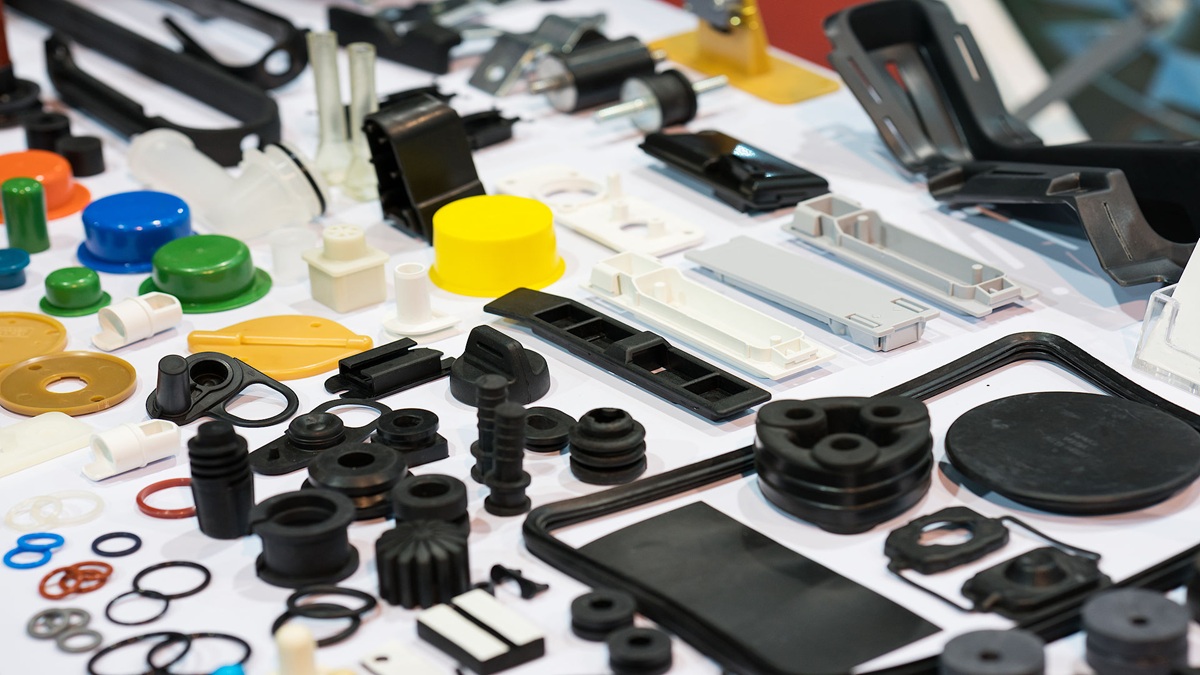
As global industries shift toward high-performance, intelligent, and miniaturized solutions, rubber and silicone components have become essential for sealing, insulation, and vibration control. These small but critical parts support operational stability and product integrity in sectors such as medical devices, automotive electronics, and industrial automation. Taiwan-based JHAO YANG Rubber specializes in high-precision custom rubber molding solutions, helping manufacturers worldwide meet the demands of modern production.
2025-08-08 11:58:50
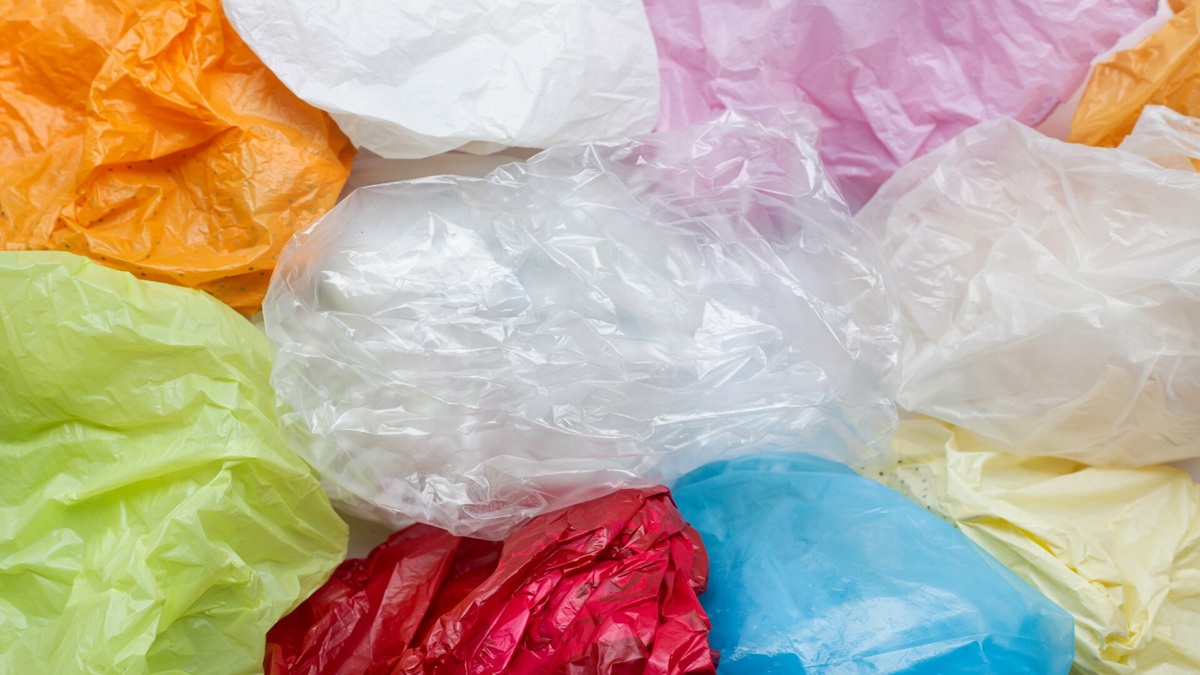
As sustainability mandates tighten globally, plastic bag manufacturers face pressure to adopt recyclable and compostable materials. PARKINS’ servo-driven bag machines enable automated, high-speed bag production using NuPlastiQ® and other biopolymers—while maintaining quality and throughput.
2025-08-08 11:32:09
Agree