Electricity costs in industrial operations are influenced by more than just total energy consumption.
In many facilities, poor power factor silently increases operating expenses by driving up apparent power demand, reducing electrical efficiency, and triggering utility penalties. This issue is especially common in systems with motors, transformers, compressors, welding equipment, and other inductive loads.
Power factor correction is one of the most practical ways to control these hidden costs. By reducing unnecessary reactive power demand, facilities can improve system efficiency, stabilize electrical performance, and align more closely with modern energy compliance and sustainability goals. This article explains how power factor works, why low power factor becomes expensive, and how solutions like shunt power capacitors and automatic capacitor banks help solve the problem.
What Power Factor Means in Industrial Power Systems
Power factor (PF) is the ratio of real power to apparent power. Real power performs useful work, while apparent power includes both useful power and reactive power. When PF is close to 1.0, the electrical system is using supplied power efficiently. When PF is low, more current is required to deliver the same amount of useful output.
In industrial environments, low PF usually results from inductive equipment that requires reactive power to operate. Although reactive power does not directly produce output, it still places extra demand on the electrical network, negatively impacting both cost and system performance.
The True Cost of Low Power Factor
A low power factor creates financial and operational pressure. When PF is low, your system requires more apparent power to do the same amount of real work. This extra current flow not only triggers utility penalties but also overloads distribution equipment.
Understanding these impacts is the first step toward effective mitigation:
| Issue |
Impact on Operations |
Business & Environmental Consequence |
| Utility Penalties |
PF falls below the utility's required threshold. |
Direct increase in monthly electricity bills. |
| Capacity Bottlenecks |
Transformers and feeders carry unnecessary reactive load. |
Limits facility expansion without expensive infrastructure upgrades. |
| Wasted Energy & Emissions |
Extra current raises resistive line losses. |
Wastes energy and artificially inflates the facility's carbon footprint (Scope 2 emissions). |
| Equipment Stress |
System voltage may fluctuate under load. |
Premature equipment degradation and reduced operating stability. |
How Shunt Power Capacitors Correct Power Factor
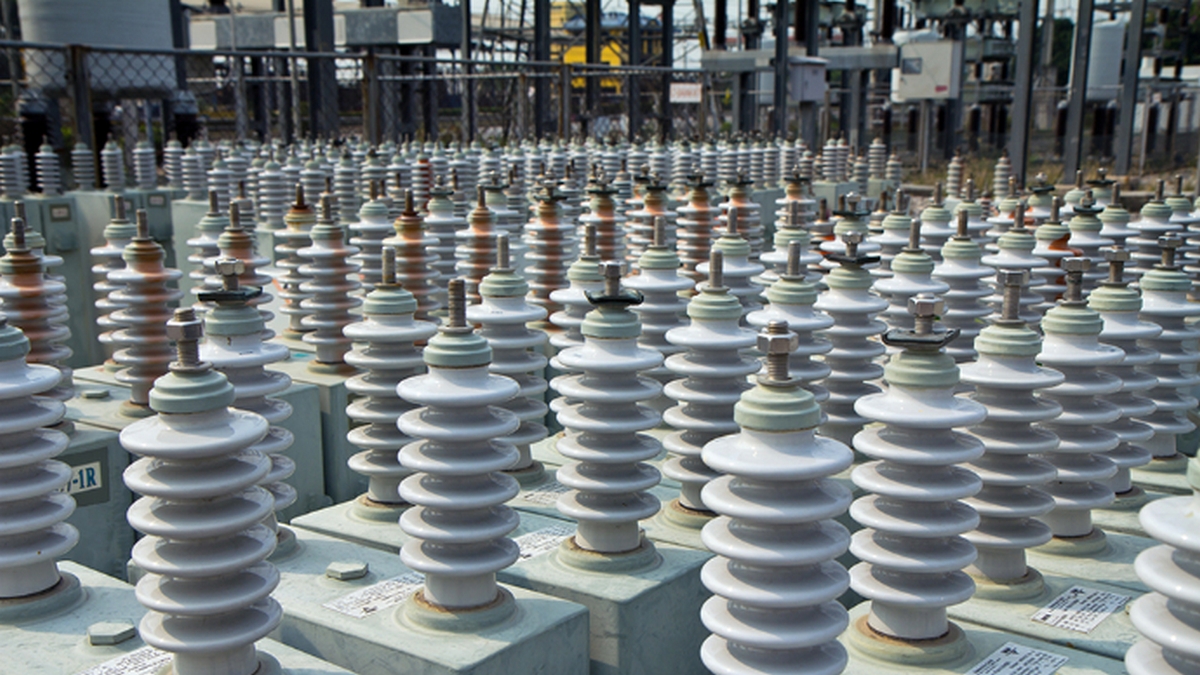
Shunt power capacitors are installed in parallel with the load. Their role is to supply leading reactive power that offsets the lagging reactive power drawn by inductive equipment. This reduces the amount of reactive power that must come from the utility side.
As a result, the system operates with a better PF and a lower apparent power demand. The improvement is not only visible on utility bills but also in overall electrical efficiency. With proper sizing and placement, shunt capacitors can help reduce stress on upstream equipment and support more stable power delivery across the system.
Choosing the Right Strategy: Fixed vs. Automatic
In facilities where load conditions are constant, fixed shunt power capacitors offer a simple, economical way to supply steady reactive power. However, modern manufacturing often involves fluctuating loads—equipment starting and stopping, or variable production shifts.
For these dynamic environments, automatic capacitor banks are essential. They intelligently switch capacitor stages on or off based on real-time demand, ensuring the PF remains optimal without the risk of over-correction.
| Solution Type |
Best Application |
Primary Advantage |
| Fixed Shunt Capacitors |
Stable, continuous electrical loads |
Cost-effective, simple installation and maintenance |
| Automatic Capacitor Banks |
Variable loads (e.g., shifts, intermittent motors) |
Real-time adaptive control, prevents over-voltage |
What to Consider Before Choosing a Solution
Effective power factor correction depends on more than just installing capacitors. The right configuration should reflect actual operating conditions and system design.
- Load Behavior: The correction method should match whether the load is constant, intermittent, or highly variable.
- Voltage Level: Low-voltage and high-voltage capacitor applications serve different parts of the system and should be selected accordingly.
- Installation Strategy: Capacitors can be installed centrally or closer to individual loads, depending on correction goals and system layout.
- Harmonic Conditions: Where harmonics are present, capacitor selection should account for reliability and long-term operating safety.
To navigate these complexities, facility managers should partner with experienced manufacturers. YuhChang, a specialized power capacitor manufacturer, provides a comprehensive portfolio designed for these exact industrial requirements. Offering both low-voltage and high-voltage power factor correction capacitors, alongside advanced automatic capacitor banks, YuhChang equips facilities with the hardware and technical expertise needed to optimize power quality.
Final Thoughts on Reducing Energy Costs and Penalties
Power factor correction is a practical strategy for reducing avoidable electricity costs in industrial power systems. By addressing reactive power at its source, facilities can reduce penalty exposure, use electrical capacity more effectively, and improve operating efficiency. Whether the need is stable correction through shunt power capacitors or adaptive control through automatic capacitor banks, the right solution can turn power quality improvement into measurable financial value and sustainable operations.





.jpg)
.jpg)