
Market News

Affected by the COVID-19 epidemic, the total sales of the sports goods market from February to June 2020 was 837.8 billion won, a 40% decrease compared to the same period in 2019, and the number of private sports industry companies also decreased by 28.6%, 2020. South Korea’s overall sports market was a year of decline.
2021-12-22 19:00:43

Since 2019, Japan has hosted international sports events such as the World Rugby Games and the Tokyo Olympics, which indirectly sparked an upsurge in sports and fitness for all age groups. According to a survey report on the Japanese sports market, the size of the sports market in 2019 was ¥2250.4 billion.
2021-12-22 16:15:40

China's sports market continues to grow. The total market size in 2019 reached RMB 2.95 trillion, and had an annual growth rate of 10.9%. Among them, the sports service market reached 1,493-billion-yuan, accounting for 50.6%, and the sports goods market reached 1,361.4-billion-yuan, accounting for 46.2%. The China sports market will continue to expand at an accelerated pace in the next few years. By 2025, the scale of China's sports market will exceed 5 trillion yuan, and through 5G, Internet of Things, big data, and artificial intelligence technologies, boring exercises will be transformed into leisure activities.
2021-12-22 10:21:53

The Asian region has always been the core area for global motorcycle and scooter sales, with India, China, and Indonesia being the top three markets. The Asian market has potential. The global demand for motorcycles and scooters is increasing.
2021-12-21 13:25:10

Hand tools are mainly used in construction projects, home repairs, and automobile maintenance. Among them, power hand tools, have continued to increase in efficiency and convenience, and the market size has continued to expand in recent years. The overall demand for hand tools in the United States and the real estate market is showing positive growth.
2021-12-15 11:18:47
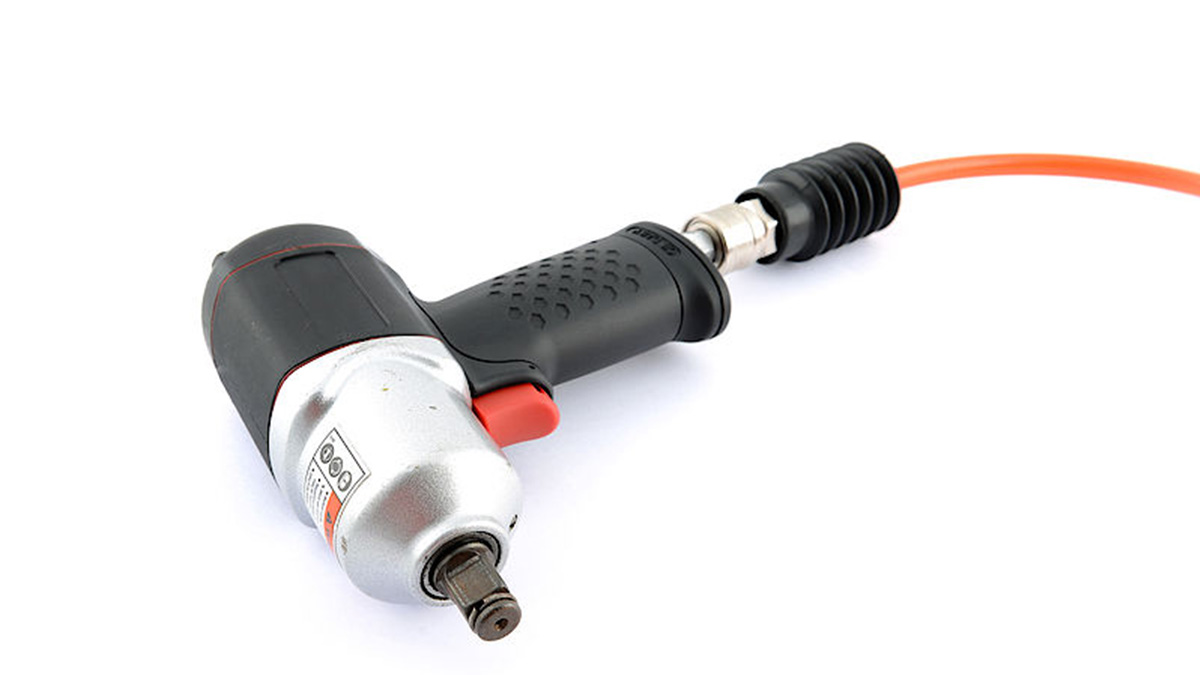
With the development of weapons, machinery, and chemical industries, pneumatic tools have been widely used and developed.
2021-12-14 13:35:17

The growth of the overall global biotech pharmaceutical market is slowing down. Europe and the United States have entered a mature period, and global development in the overall biotech pharmaceutical industry market has slowed down in recent years.
2021-12-13 14:30:01

Not just Taiwan, but the whole world is currently at a critical moment in energy transition. With the increasing demand for green electricity, more and more governments or organizations are paying attention to the development of green and low-carbon energy. Among the developing technologies, wind power is the mainstay. The development of wind power not only promotes a solution for green energy electricity consumption, but also plays a key role in economic growth. The acceleration and momentum of wind powered electric generation has brought new opportunities in industrial upgrading and transformation that will drive the economy.
2021-12-10 16:17:03

The sheet metal parts, plastic parts, and lights of the car body account for the majority of car damage in car accidents. Hundreds of thousands of accidents involving damage to these parts occur every year. The repair and replacement of these parts are an important source of income for car repair shops and parts manufacturers.
2021-12-10 11:32:53

A hidden important market in the automotive supply chain is the automotive after market (AM) which is used to satisfy after-sales repairs, inspections, maintenance, replacement, or modification services, and is an important part of the automotive supply chain.
2021-12-09 11:40:58
Hot Topic
Agree