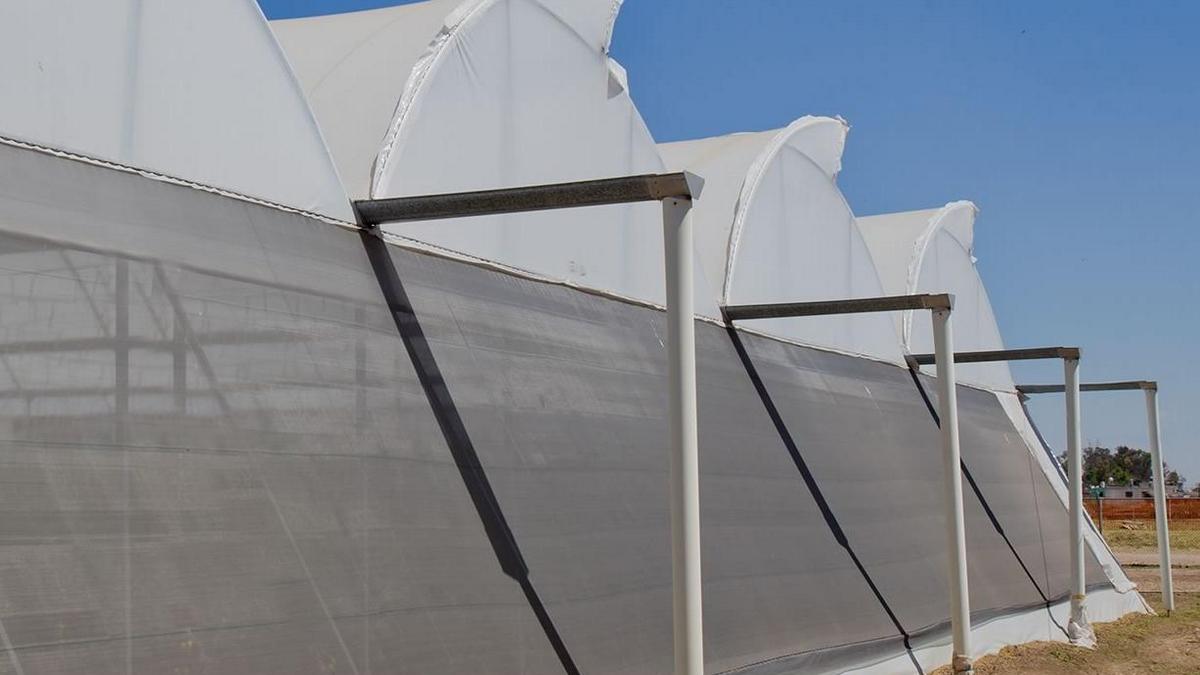
Unpredictable weather is changing how crop protection is planned. In many growing environments, the main challenge is no longer limited to increasing production under normal conditions. It is becoming more important to maintain crop quality and field stability when heat waves, sudden rainfall, strong winds, hail, and rising pest pressure disrupt the season. This shift is one of the main reasons agricultural netting is being used in a more strategic way. Instead of serving only as a basic protective layer, it is increasingly part of a broader climate-resilient farming approach.
![Climate-Resilient Farming Is Redefining the Role of Agricultural Netting]()
Photo by https://www.hsiachen.com/shop/anti-insect-net-8
Climate Resilience Is Now a Practical Farming Priority
Agriculture has long focused on improving productivity, but unstable weather has made resilience just as important as output. A season can be affected by repeated stress events rather than a single major disaster. High temperatures can slow development, excessive radiation can damage crop surfaces, unexpected rain can disturb plant health, and stronger winds can reduce uniformity and increase physical damage.
Climate-resilient farming responds to these conditions by aiming for greater consistency. The goal is not simply to help crops grow faster, but to reduce exposure to disruptions that affect yield quality, crop appearance, and harvest reliability. This is where agricultural netting becomes more relevant. It helps moderate the growing environment in ways that support steadier crop performance across changing conditions.
Why Demand for Agricultural Netting Is Expanding
The demand for agricultural netting is rising because climate-related pressure is becoming more complex. Farms are dealing with overlapping risks rather than isolated problems. Heat, insects, heavy rain, and wind often appear together within the same season, making single-purpose responses less effective.
This is pushing netting into a larger role for several reasons:
- Heat stress increases the need for shade and temperature moderation
- Erratic rainfall raises the value of crop protection that helps reduce weather-related damage
- Stronger wind exposure creates more demand for physical buffering and crop support
- Shifting pest activity increases interest in physical exclusion methods
- Field stability concerns make weed suppression and moisture conservation more important
The result is a structural change in how netting is evaluated. It is no longer seen only as an accessory for selected crops. More often, it is considered part of the system that helps reduce climate exposure.
How Agricultural Nets Fit Into Climate Adaptation
Agricultural netting supports climate adaptation because it helps reduce the intensity of external stress. Different net types contribute in different ways, but the broader function is similar: creating a more manageable microenvironment around the crop.
Before choosing a specific solution, it is useful to understand how different forms of netting align with major climate-related challenges.
| Climate Challenge |
Impact on Crop Conditions |
Netting Function |
| Excessive sunlight and heat |
Sunburn, heat stress, uneven development |
Shade net helps reduce radiation intensity and heat load |
| Insect pressure |
Crop damage, disease spread, lower quality |
Insect net provides a physical barrier against pests |
| Hail and sudden weather impact |
Surface injury, bruising, crop loss |
Anti-hail net helps reduce direct weather damage |
| Weed growth and moisture loss |
Resource competition, unstable soil conditions |
Ground cover supports weed suppression and moisture retention |
| Strong wind |
Mechanical stress, breakage, inconsistent growth |
Protective netting helps reduce direct wind exposure |
This table shows why agricultural netting is increasingly tied to resilience. Its value is not based on a single function, but on its ability to reduce multiple forms of climate-related risk.
From Short-Term Protection to Season-Long Stability
One of the clearest changes in climate-resilient farming is the move from reactive control to preventive management. When environmental stress becomes less predictable, waiting until visible damage appears often means higher correction costs and weaker crop consistency.
Agricultural netting supports a more stable approach in several ways.
Moderating Crop Exposure
Shade and protective netting can reduce the severity of direct sunlight, impact stress, and weather exposure. This helps lower the intensity of conditions that can damage crops during sensitive stages.
Improving Uniformity
Crops exposed to fluctuating stress often develop unevenly. A moderated growing environment can support more consistent development, which is important for both quality and harvest planning.
Supporting Lower-Intervention Management
Physical protection helps reduce reliance on repeated emergency responses. This is especially relevant when weather and pest pressure become harder to predict across the season.
Strengthening Field Conditions
Ground cover and other net-based systems can also contribute to better moisture retention, cleaner growing areas, and more controlled field maintenance.
Together, these functions explain why netting is gaining importance as part of resilience planning rather than only as a response to damage.
What Matters More When Choosing Netting for Climate Pressure
As climate conditions become more demanding, net selection requires more than a basic product comparison. Performance depends on whether the material, structure, and specification match real field conditions. UV resistance, strength, mesh design, shade rate, and service life all influence long-term effectiveness.
Selection usually depends on several connected factors:
- local climate exposure
- crop sensitivity
- seasonal pest pressure
- installation method
- required durability over time
This is also why manufacturing experience plays a bigger role in agricultural netting decisions. When applications become more specific, flexibility in materials and specifications becomes more valuable. Hsia Cheng fits naturally into this discussion because its product range covers multiple crop protection functions, including anti-insect netting, shade netting, ground cover, and other agricultural net solutions used in changing field conditions. That breadth is useful in climate-resilient farming, where protection needs are rarely one-dimensional.
A More Adaptive Direction for Modern Agriculture
Climate-resilient farming is reshaping demand for agricultural netting because it changes the standard for what protection should achieve. The focus is moving beyond simple coverage and toward environmental moderation, risk reduction, and more reliable crop performance under unstable conditions.
Agricultural nets are becoming part of a wider adaptation strategy in modern farming. As weather variability continues to shape production decisions, the most relevant solutions will be those that help create stability across the season rather than only provide protection after problems become visible.


(3796)(20260924)(原).jpg)
(4005)(20260924)(原).jpg)