Taiwan's Textile Transformation: Digitalization and Localization for Agile Responsiveness
Trend

Taiwan's Textile Transformation: Digitalization and Localization for Agile Responsiveness

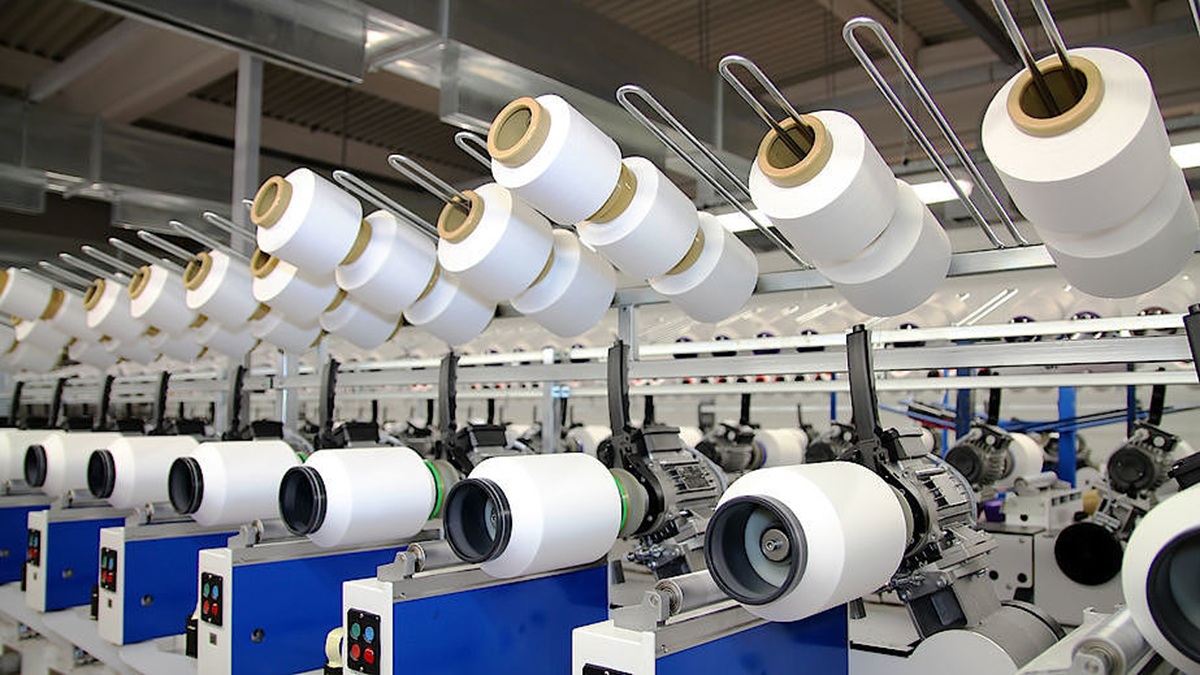
Historically, the global textile industry relied on mass production and economies of scale for low-cost manufacturing. However, as consumer demands become increasingly diverse and dynamic, small-batch, high-mix production and fast delivery have become the market mainstream. Taiwan, with its complete and advanced textile supply chain and high-end functional fabric technology, has long demonstrated competitiveness on the international stage. Facing global supply chain restructuring and the fast fashion trend, Taiwan's textile industry is actively pursuing a digital and localized transformation. The goal is to build a flexible, responsive agile supply chain, making manufacturing a sustained competitive advantage.
Published: Aug 14, 2025
Taiwan's Textile Transformation: Digitalization and Localization for Agile Responsiveness

From Mass Production to Agile Manufacturing

The traditional mass production model, while effective for cost reduction, is hindered by a lengthy supply chain and high inventory risks. This makes it unable to meet the demands of modern Fast Fashion and On-Demand markets, where brands need a shorter product lifecycle. Every stage, from design and sampling to final market launch, must be completed in a very short timeframe.

To address this challenge, Taiwan's textile industry is shifting from simple contract manufacturing to an Agile Manufacturing model. This approach emphasizes flexibility and high efficiency, aiming to shorten every step from order placement to delivery. This isn't just about adjusting production lines; it requires comprehensive collaboration across the entire supply chain, from upstream yarn and fabric development to downstream garment manufacturing and logistics.

Two Core Strategies: Localization and Digitalization

To achieve agile manufacturing and a fast market response, Taiwan's textile industry is adopting two main strategies:

Production Localization: Strengthening Local Collaboration and Reducing Time-to-Market Risks

In the past, many textile production facilities moved overseas due to cost factors. But facing fast fashion and urgent reorders, the long-distance supply chain has become a bottleneck. Leading companies are now gradually bringing the production of high-end functional fabrics and complex garments back to Taiwan. This offers several key benefits:

  1. Drastically reduced logistics and sampling time, overcoming delays from sea and air freight and shortening product launch cycles.
  2. Improved real-time communication between designers and factories, cutting down on time-consuming sample revisions.
  3. Enhanced quality control, as the proximity of local production allows for better monitoring and stability of manufacturing processes.

Furthermore, the government is actively promoting smart manufacturing subsidy programs and industry partnerships, effectively facilitating the implementation of localization strategies.

Digitalization Management: Connecting the Supply Chain for Smart Manufacturing

Taiwanese textile companies are integrating IoT sensors, automated warehousing, and robotic arms to boost production efficiency and precision. AI-driven prediction models analyze sales data and market trends to forecast demand accurately. This helps brands make smarter ordering decisions, reduce inventory pressure, and optimize production schedules. A cloud-based digital platform connects all supply chain partners, enabling real-time information sharing and enhancing supply chain transparency and responsiveness.

Key Technology Application: Smart Manufacturing and Data Integration

Taiwan's textile leaders know that localization alone isn't enough. True competitiveness comes from deeply integrating local advantages with digital technologies. For example, some leading Taiwanese firms have implemented Manufacturing Execution Systems (MES) to precisely track fabric production progress and quality. When an international brand needs an urgent reorder, the system can quickly assess local factory capacity. It then uses a cloud-based digital platform to coordinate with the entire supply chain—from upstream to downstream—to respond efficiently. This significantly shortens delivery times and boosts overall operational flexibility, establishing a crucial competitive advantage for Taiwanese manufacturers in the global market.

Future Outlook: The Supply Chain as a Competitive Edge

As digitalization and localization continue to deepen, Taiwan's textile industry is transforming from a traditional manufacturer into a "supply chain solutions provider." The core of future competition will no longer be solely based on cost or production capacity but on the supply chain's responsiveness, collaborative flexibility, and digital integration capabilities. Moving forward, by combining smart manufacturing with sustainable practices, Taiwan will offer global brand clients highly customized, efficient, and eco-friendly solutions, solidifying its leadership in the high-end functional textile market and injecting new vitality into the industry.


Published by Aug 14, 2025

Further reading

You might also be interested in ...

Headline
Trend
How Global Brands Evaluate Premium Packaging Suppliers Beyond Price
This article explores how global brands evaluate premium packaging suppliers beyond price alone. It explains why supplier selection increasingly depends on structural capability, material knowledge, finishing consistency, sampling performance, operational reliability, and sustainability readiness. Rather than treating packaging as a simple sourcing cost, many brands now view it as part of product value, customer experience, and execution quality. The article also outlines practical questions buyers can ask when comparing suppliers to reduce risk and improve long-term packaging outcomes.
Headline
Trend
Integrated Capsule Filling and Turnkey Packaging Solutions: The Future of Pharmaceutical Manufacturing
The pharmaceutical packaging industry is rapidly evolving, driven by automation, stringent regulations, and the need for end-to-end efficiency. Integrated capsule filling and turnkey packaging solutions offer a seamless path from powder pre-processing to retail-ready packaging. This article explores significant market growth—from US$9.75 billion in 2024 to a projected US$14.3 billion by 2030. It details the critical stages of production, highlights the competitive advantages of unified systems, and underscores the non-negotiable role of serialization in meeting global compliance standards, positioning integration as the cornerstone of modern pharmaceutical manufacturing excellence.
Headline
Trend
Beyond the Hype: Why Drone OEMs Are Turning to Taiwan for Security and Precision
As global drone demand surges toward $111 billion by 2030, OEMs are shifting from cost-only supply chains to prioritize trust, security, and compliance. Taiwan has emerged as the critical hub for "non-red" drone manufacturing, with policy targets to produce 180,000 units annually by 2028. Funet Technology exemplifies this new paradigm—offering in-house PCB assembly, vertical integration, and 100% Taiwanese manufacturing. For defense contractors, startups, and aerospace innovators, choosing a Taiwanese OEM like Funet means securing intellectual property, ensuring supply chain resilience, and meeting NDAA-compliant production standards in an increasingly fragmented global market.
Headline
Trend
The Present and Future of Eco-Friendly Yarn: From Trends to Innovative Sustainability Pathways
The global eco‑friendly yarn market is set to double by 2033, driven by material innovation, green manufacturing, and high‑performance functionality. This article explores core trends, showcases Acelon’s sustainable solutions, and highlights how international trade fairs confirm sustainability as the new industry standard.
Headline
Trend
EV platforms shift rubber demand toward battery sealing, high-voltage protection, thermal stability, and vibration control, reshaping rubber component requirements
Electric vehicles are changing the technical role of rubber components across the automotive industry.
Headline
Trend
ESG and Carbon Management Are Reshaping Low-Carbon Material Choices in the Rubber Industry
ESG pressure is no longer limited to reporting language or brand positioning. In the rubber industry, it is changing how materials are selected, how factories measure emissions, and how products are evaluated across the supply chain.
Headline
Trend
ESG in Machining: Why Coolant Filtration Is Becoming Part of the Sustainability Conversation
Sustainability in machining is no longer defined only by energy-saving equipment or carbon reduction targets. More manufacturers are now paying closer attention to the everyday production variables that shape waste, resource use, and environmental pressure. Coolant management has become one of those variables. When coolant degrades too quickly, it leads to more frequent fluid disposal, higher treatment loads, unstable machining conditions, and unnecessary material waste. As ESG expectations continue to expand across global manufacturing, coolant filtration is increasingly being recognized as a practical way to improve both environmental performance and production efficiency.
Headline
Trend
Why Digestive Health Remains a Leading Category in Pet Supplements
Digestive health continues to lead the pet supplement market because it addresses one of the most common and most visible areas of daily pet care. Changes in stool quality, feeding tolerance, appetite, and adjustment to new diets are easier to notice than many other wellness concerns, which makes digestive support a practical and familiar starting point in functional nutrition. As interest in gut health grows, the category has also expanded from short-term support into a broader part of daily wellness routines.
Headline
Trend
Global Demand Shifts for Air Powered Impact Wrenches in 2026: What Buyers, Plant Managers, and Distributors Should Watch
Global demand for air powered impact wrenches is evolving in 2026 as buyers focus more on application fit, durability, supply stability, and long-term value. This article explores regional demand shifts, cordless competition, and what procurement teams should prioritize when selecting suppliers.
Headline
Trend
Global Woodworking Machinery Trends: Why Smart Automation and the Modern CNC Wood Machine Are Becoming the New Standard
Why the Modern CNC Wood Machine Has Become a Strategic Production Asset
Headline
Trend
Double Column Bandsaw Machine Market Trends: What Is Shaping Demand in Modern Metal Cutting
How automation, application needs, and production efficiency are influencing the next stage of double column bandsaw machine adoption
Headline
Trend
Climate-Resilient Farming Is Redefining the Role of Agricultural Netting
Unpredictable weather is changing how crop protection is planned. In many growing environments, the main challenge is no longer limited to increasing production under normal conditions. It is becoming more important to maintain crop quality and field stability when heat waves, sudden rainfall, strong winds, hail, and rising pest pressure disrupt the season. This shift is one of the main reasons agricultural netting is being used in a more strategic way. Instead of serving only as a basic protective layer, it is increasingly part of a broader climate-resilient farming approach.
Agree