Though small in size, gears are essential components that keep modern machinery running smoothly. From automotive transmission systems and industrial equipment to high-precision instruments, gears play a crucial role in changing speed, adjusting torque, and transmitting power with accuracy. As we enter the era of Industry 4.0, with the rise of electric vehicle technologies and a growing emphasis on sustainable manufacturing, gear production now demands not only greater precision and strength, but also lighter weight and improved environmental performance. Since its founding in 1999, SHYI CHANG has been dedicated to the machining and manufacturing of precision gears and mechanical components. The company continually invests in advanced equipment from Switzerland, Germany, and Japan, and has earned international quality certifications to meet the strict performance standards of various industries. Through ongoing R&D and the application of new materials, SHYI CHANG is actively adapting to future trends—delivering reliable, forward-looking gear solutions that have earned the long-term trust of clients both at home and abroad.
Gear
When a car slowly begins to move, the engine’s power doesn’t go straight to the wheels. Instead, it’s transmitted through a series of interlocking gears that deliver energy in a smooth and precise way. These seemingly insignificant small components are, in fact, like the legs of a machine—an essential driving force behind the entire system.
Gears can change speed, adjust torque, alter the direction of motion, synchronize two axes, and even transmit power to distant parts of a machine. Whether in cars, robotic arms, or industrial equipment, gears are quietly at work wherever stable transmission is needed. Though small in size, they remain one of the most dependable forces in modern mechanical engineering.
Manufacturing Requirements for High-Precision Gears
Gears often operate in extremely demanding environments, as power transmission systems place strict performance requirements on them. First and foremost, gears must maintain an almost flawless condition. They also need to offer high reliability, minimal residual stress, and virtually no risk of crack propagation. As a result, material selection, manufacturing processes, and the expertise of the manufacturer all become critical factors in ensuring quality.
Types of Gears and Their Applications
- Spur Gears: Commonly found in appliances like washing machines and dryers due to their simple structure and high efficiency.
- Helical Spur Gears: Used in elevators, conveyor systems, automotive gearboxes, high-speed machine tools, and industrial transmission systems. They operate more quietly and with less vibration compared to spur gears.
- Internal Gears: Found in automatic transmissions, robotic joints, and reducers, thanks to their high space efficiency and good rigidity.
- Bevel Gears / Conical Gears: Used to transmit motion at an angle, such as in automotive differentials, power drills, and angled machine tools.
- Spiral Bevel Gears: Ideal for high-load applications that still require quiet and stable operation, like front-wheel-drive differentials and high-performance gearbox systems.
- Worm Gears and Worm Shafts: Known for their compact size and self-locking capability, they are widely used in aerospace, medical devices, elevators, industrial machinery, and sliding gates.
- Rack and Pinion: Typically applied in automotive steering systems, lift-up windows and doors, and rack rail trains.
About SHYI CHANG
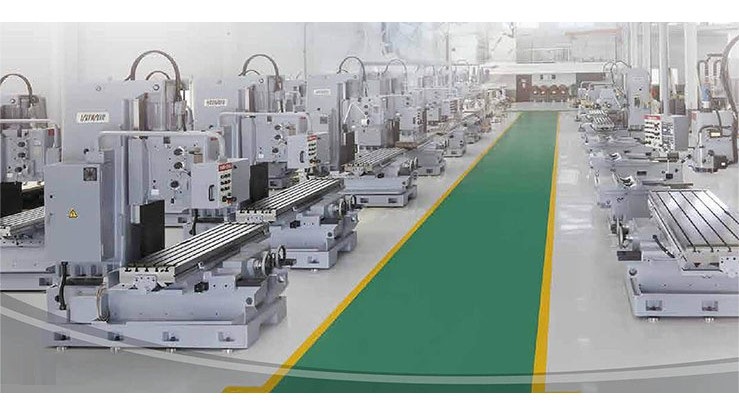
SHYI CHANG ENTERPRISE CO., LTD., established in 1999, is a Taiwan-based company specializing in the machining of precision gears and mechanical components. To enhance product quality and machining accuracy, SHYI CHANG has invested in advanced manufacturing equipment from Switzerland, Germany, and Japan. The company is committed to meeting the highest standards in every product it delivers, demonstrating an unwavering dedication to quality.
SHYI CHANG Offers You the Best Service
Gear manufacturing is a highly specialized field that demands exceptional precision and accuracy. As a critical component in mechanical systems, even the slightest defect in a gear can lead to serious—or even catastrophic—consequences. That’s why choosing a gear manufacturing service requires careful consideration and absolutely no compromises.
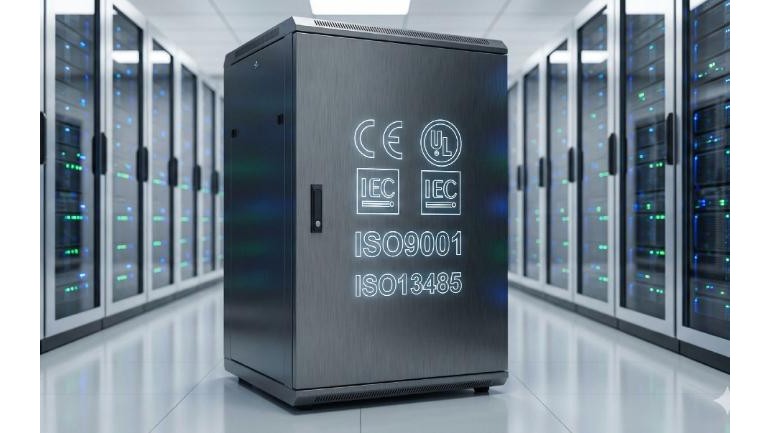
With years of experience in precision gear production, SHYI CHANG utilizes advanced machining equipment imported from Europe and the United States. The company is also certified under the ISO/TS 16949:2009 quality management system and has introduced high-precision measuring instruments to ensure every gear meets the highest standards of accuracy.
Future Trends and Challenges in the Gear Industry
As the world officially enters the era of Industry 4.0, smart manufacturing technologies such as CNC machining and robotic automation are becoming increasingly widespread. This shift has raised the bar for components, which must now offer not only higher precision but also greater durability and stability.
At the same time, the rise of electric and hybrid vehicles is pushing the gear industry toward the development of high-precision and lightweight material designs to improve energy efficiency and overall performance.
In addition, sustainability has become a central global concern. The future of gear manufacturing will inevitably move toward more energy-efficient machining processes and environmentally friendly production methods to meet ESG standards and achieve long-term carbon neutrality goals.
Moving forward, product trends are expected to shift toward:
- Advancements in High-Precision Machining Technologies
As technical requirements for components continue to rise, performance indicators such as precision, hardness, toughness, and service life are becoming key areas of focus—and gears, as critical transmission elements, are no exception. With the adoption of five-axis machining, precision gear grinding, and helical gear designs, manufacturers can significantly enhance gear strength and durability while effectively reducing noise and friction during operation. These improvements are essential for meeting the high stability and performance demands of smart manufacturing.
- Development and Application of New Materials
To overcome the limitations of traditional manufacturing processes, the gear industry is actively exploring and applying new materials. From high-strength alloy steels and stainless steels to a variety of composite materials, these innovations have greatly improved gear performance in high-load and high-speed environments, while also increasing weight efficiency and transmission effectiveness. The use of advanced materials opens up new possibilities in gear design and is driving the industry toward more advanced and specialized applications.
SHYI CHANG ENTERPRISE CO., LTD., backed by years of technical expertise, has not only introduced advanced machining equipment from Europe to enhance the precision, strength, and durability of its gears, but also continues to drive product innovation and optimization through ongoing R&D efforts. The company is committed to aligning with international standards in both quality and performance, ensuring it stays ahead of future industry trends.