What Are the Types of Sawing Tools and Their Uses?
Saw tool is a common hand tool, divided into hand saws and electric power saws, which facilitates our simple sawing needs. Among them, hand saws are divided into many different types, and suitable hand saw tools can be selected according to different needs.
Published: Mar 24, 2020
What is a sawing tool?
Saw is a common tool in our life or in industrial production. The basic of saw is a handle with a toothed blade. Sawing tool or machine is used for sawing or cutting woods, metal objects, which can quickly cut off or finely cut shape objects.
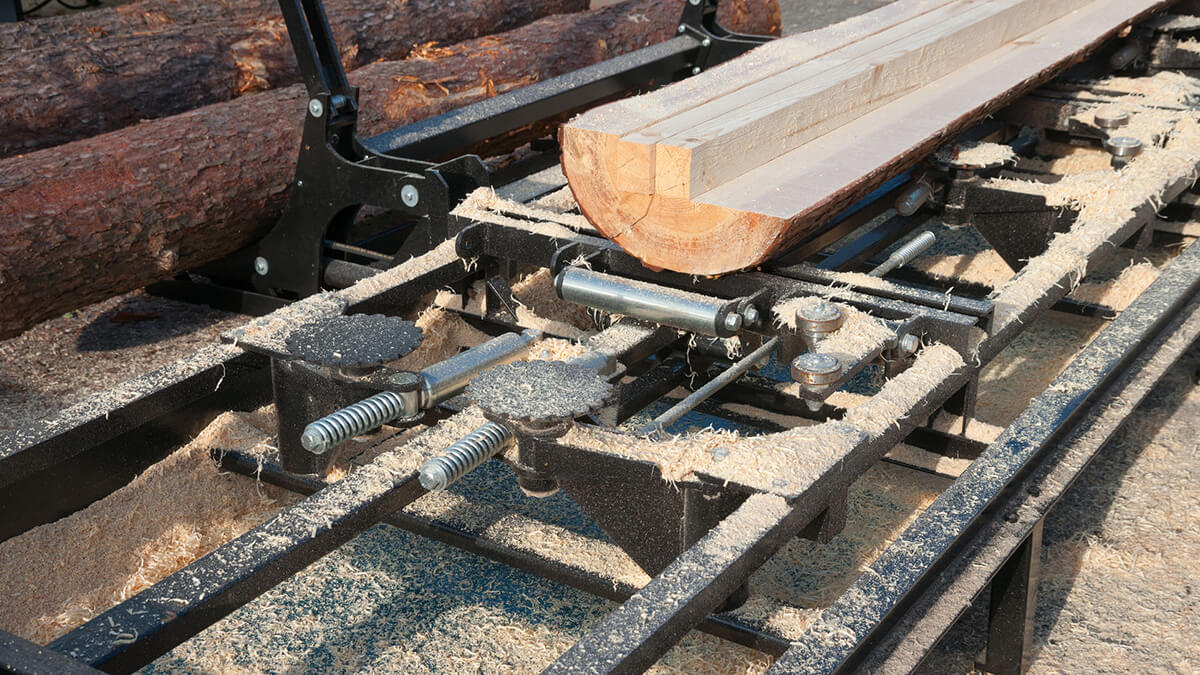
The saw can be easily divided into a hand saw or an electric saw, or even a larger table saw machine. They are used for different functions, purposes and moments. Let's take a look at the various types of saws and their functions. Choosing the right saw can help to make your work easier, and choosing the wrong saw can damage your object.
What sawing tools are available?
-
Hand saw
The hand saw is a basic saw. It is the most common and well-known cutting tool. It cuts wood or other materials by cutting it perpendicularly to the cut object through a serrated knife.
-
Back Saw
The backsaw is a shorter type of saw that is reinforced at the top of the blade teeth to support and stabilize the saw blade during sawing and keeping it straight and without distortion. Also known as a tenon saw or miter saw.
-
Bow Saw
The hacksaw is usually paired with a long serrated blade that can be used for other rough cuts by repeatedly pushing and pulling the cut material. It is often used when trimming trees or cutting down wood outdoors.
-
Coping Saw
The saw has a thin, narrow blade that is suitable for trimming work or a large number of complex and precise scrolling cuts.
-
Crosscut Saw
The cross-cut saw blade is thicker and is used with large beveled teeth. It is often used for wood or other large rough cuts, also known as felling saws. The cross-cut saw has handles at both ends, so it can be used by two people at the same time for cutting work.
-
Fret Saw
Fret Saw and coping saws are often confusing with the public. Fret Saw has a thin and long blade, and its wire saw is a much larger frame, so it can be cut deeper from the outer edge to make more complex cuts. However, because the blade cannot be rotated, it still causes inconvenience in the cutting process. Fret Saw is better for cutting thin paneling or thin plywood.
-
Hack Saw
When you need to cut something harder than wood, such as cutting metal or plastic objects, you are more likely to choose a hacksaw to assist with your work. The hacksaw usually has a tooth tree range of 18 to 32 inches.
-
Japanese saw
Japanese saws contain three types of saws: kataba, ryoba and dozuki, belonging to the series of saws. The saw blade of the Japanese saw is thinner and is used to guide the cutting path through the transverse teeth on one side and to cut on the other side by cutting the teeth. Japanese saws can reach more places where the back saw can't reach, and are often used to cut cork and hardwood with high precision.
-
Keyhole Saw
The keyhole saw is like a dagger, a circular handle with a single long blade on the top of the handle for rough cuts or patterns. Especially when you need to remove or replace a small part, you can choose a keyhole saw. The keyhole saw is designed to pass through a soft material object plate and can be referred to as a pre-step of the cutting process for subsequent cutting processes, it is with high precision.
-
Wallboard Saw
The wallboard saw is a bit like a keyhole saw, but in reality, the wallboard saw is shorter and has fewer teeth per inch and a wider blade. Some wallboard saws are double-edged swords designed primarily for cutting drywall or paneling. Also, if you plan to use a power saw tool, a wallboard saw can be used to make the starter hole.