What Are the Types and Functions of Stamping Press Machines?
Knowledge

What Are the Types and Functions of Stamping Press Machines?

Metal stamping machines can be divided into hydraulic presses and mechanical presses, and both are often used in industrial metal forging applications.
Published: Mar 24, 2020
What Are the Types and Functions of Stamping Press Machines?
Photo by unsplash

What Is A Stamping Press Machine, or Stamping Press?

A stamping press machine is a machine that can process sheet metal into the desired shape. It is commonly used for metal stamping to convert a flat metal sheet into a specific shape. It can include a variety of metal forming techniques: blanking, punching, bending and perforating. A stamping press machine, also known as stamping press, or simply press machine, is a specific type of machine tool that is often used in metal forging to transfer energy through a certain distance and force.

Types of punching machines

The metal stamping machines can be roughly divided into hydraulic presses, mechanical presses, and others:
  • Hydraulic Press: Hydraulic press machine uses liquid pressure to release energy, and valves to increase or decrease the pressure of a liquid in the chamber. Hydraulic presses are more common than other types, but on the other hand, hydraulic presses are the most powerful punches. The machine can apply 75,000 tons of power, even higher. The working principle is that depending on the difference in fluid pressure, the liquid can be injected or reduced above or below, and the pressure is changed to allow the piston to rise or fall.

  • Mechanical Press: The mechanical press machine atmosphere has a wider variety of machine types, which convert the rotational force of the motor into pressure acting on the object. Mechanical presses are characterized by rapid and continuous application of pressure over a limited distance, often used for metal forging or sheet metal processing. The pressure of mechanical punching machines can reach 12,000 tons.

  • Crank Press: The crank press moves together with the driveshaft and rotates back and forth to transmit the force to the object. The transmission path of the crank press is long.

  • Knuckle Press: Through the connecting rod design, the huge energy of the motor can be transmitted.

  • Rack and Pinion Press: Through the movement of gears and racks, the transmission of energy is driven.

  • Screw Press: By rotating the screw, the energy of the rotation is driven, and the pressure is applied. The screw press operates slowly and can generate a relatively large constant force.

The stamping press machines can meet the needs of mass production and has a fast turnaround time, high quality and low cost. Pick the right type of stamping press regarding different needs would make forging easier. 

sheet metal punching machine
Referral Link
Published by Mar 24, 2020 Source :thelibraryofmanufacturing

Further reading

You might also be interested in ...

Headline
Knowledge
Wireless Connectivity in IoT Devices: What Needs Testing Before Mass Production?
A connected device needs more than a working wireless module. Antenna placement, enclosure design and system-level testing all affect the finished product.
Headline
Knowledge
Tankless vs. Tank RO Systems: What Do Water-Efficiency Ratings Really Mean?
Both storage-tank and tankless RO systems produce treated water and reject water. Their reported figures must be compared using equivalent test conditions.
Headline
Knowledge
PCR Lotion Pumps for Cosmetics: Why Recycled Content Is Only One Part of the Design
A PCR pump must be assessed as a dispensing mechanism and as part of the complete cosmetic package.
Headline
Knowledge
EU Toner Cartridge Tenders: What Evidence Should Distributors Collect?
Page yield, product quality, environmental claims and take-back arrangements require different forms of evidence.
Headline
Knowledge
Beyond Face Masks: Innovative Industrial Applications of Cellulose-Based Melt-Blown Nonwoven
Melt-blown nonwoven fabrics are commonly associated with face masks and air filtration, but their applications extend to liquid absorption, protective layers, and industrial materials.
Headline
Knowledge
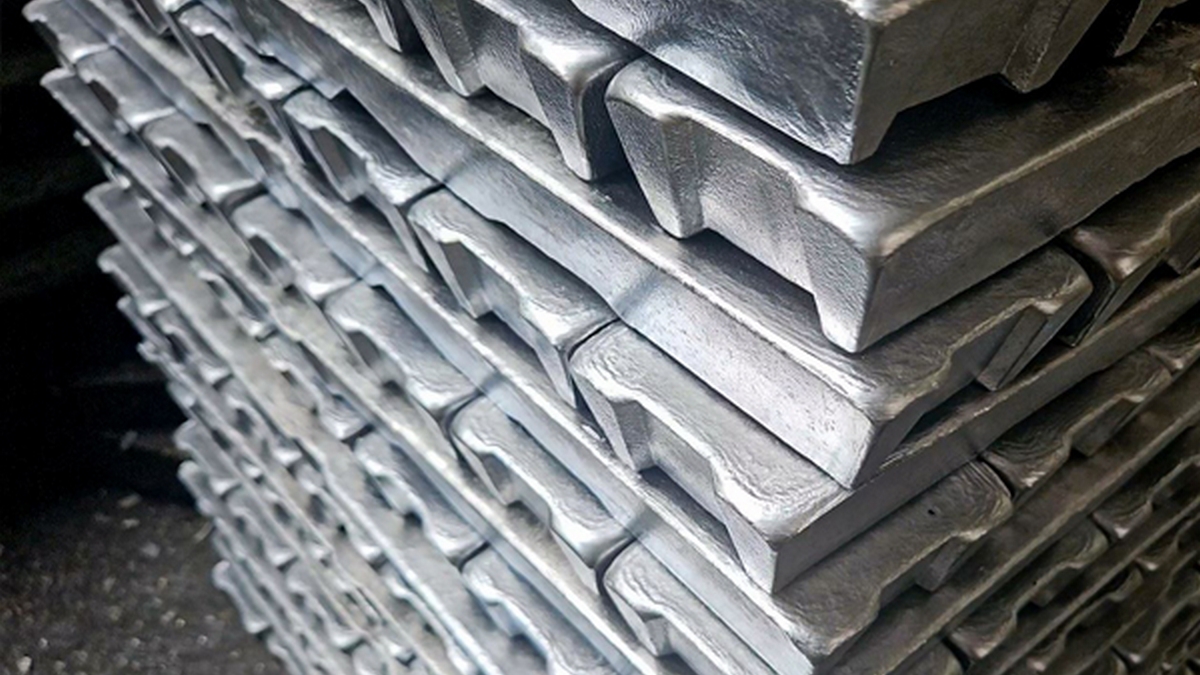
Selecting the Right Aluminum Alloy for Die Casting: A Guide to A380, A360, and ADC12
Choosing an aluminum alloy for die casting requires balancing mechanical strength, thermal conductivity, corrosion resistance, and manufacturability.
Headline
Knowledge
The Strategic Advantages of Integrating USB-PD 3.1 Power Adapters in Commercial and Medical Devices
USB-C charging has become common in consumer electronics, but its potential now extends to equipment with more demanding power requirements.
Headline
Knowledge
Universal Engine Oil in 2026: What It Really Means, When It Makes Sense, and How Mixed Fleets Use It to Cut Lubricant SKUs
A practical guide for mixed fleets in Vietnam, Cambodia and India that want fewer drums, fewer suppliers and no warranty surprises.
Headline
Knowledge
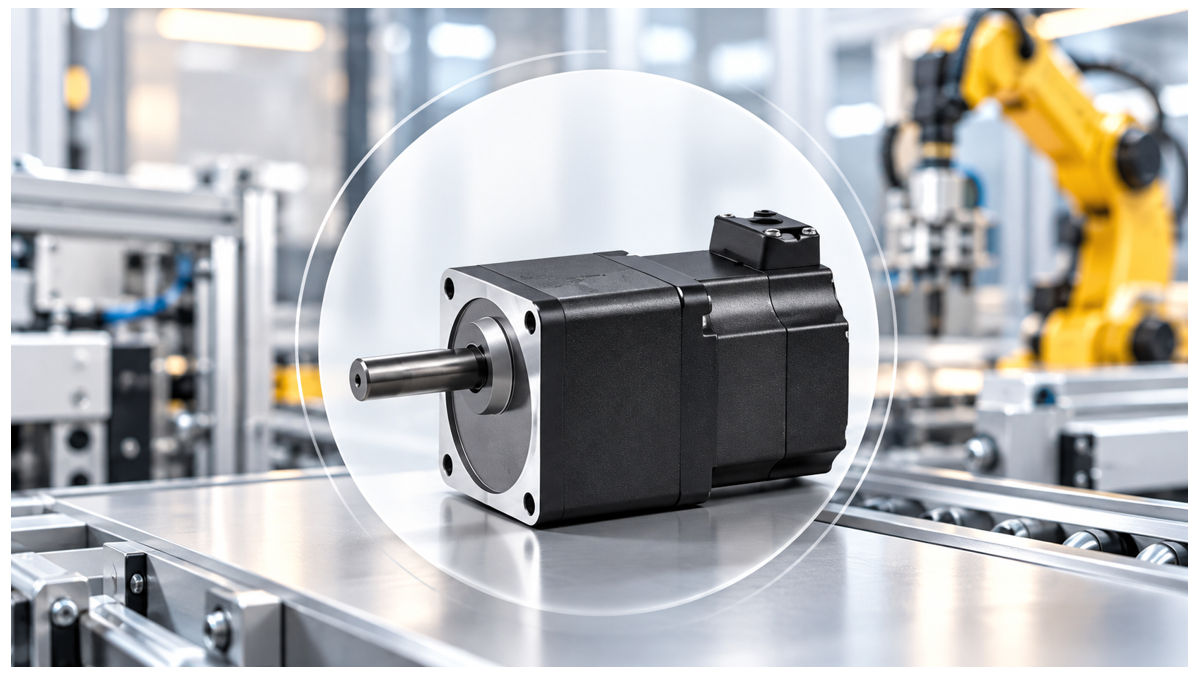
24V Brushless DC Motor vs. AC Brushless Motor: Power Input, Controls, and How to Choose
The right motor system depends first on the power already available in your equipment. This guide explains how a 24V brushless DC motor differs from an AC-input brushless motor in power conversion, controls, wiring, and selection, so purchasing and engineering teams can compare complete drive systems, not just motor labels.
Headline
Knowledge
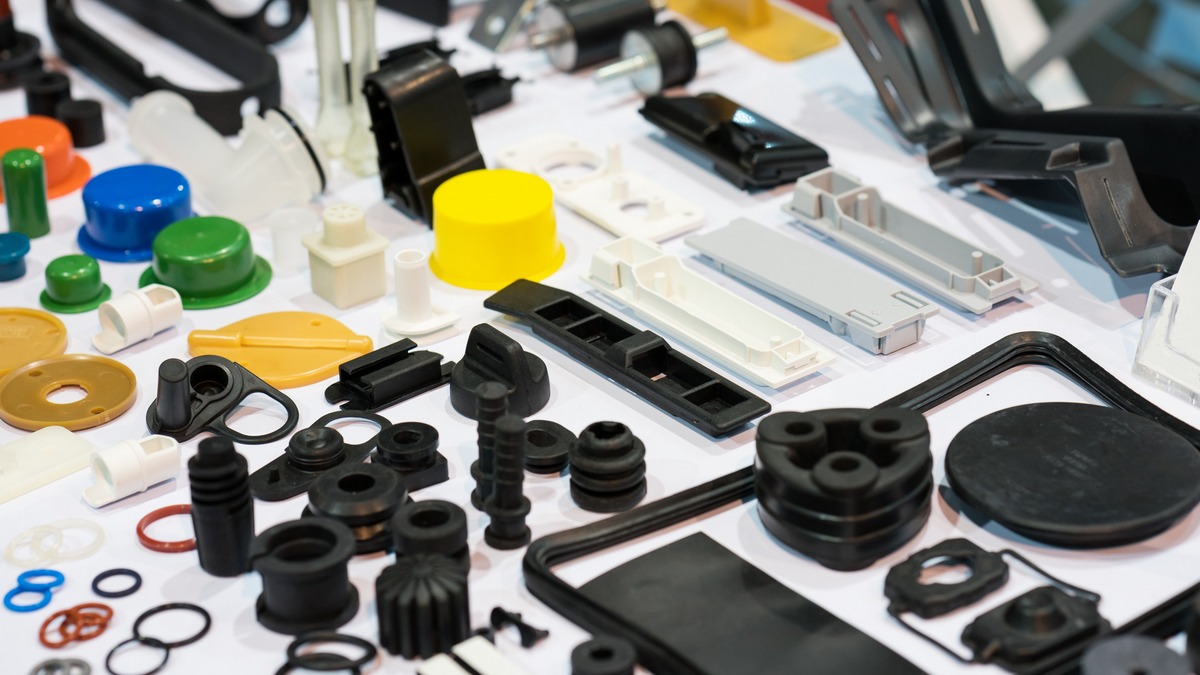
EPDM vs. FKM vs. Silicone: Which Rubber Material Fits High-Temperature Applications?
Selecting rubber for a high-temperature application involves more than comparing maximum temperature ratings.
Headline
Knowledge
Digital Product Passports: What Manufacturers Need to Know About Product Traceability
Product traceability has traditionally focused on questions such as where a component came from, which batch it belonged to, and when it was produced.
Headline
Knowledge
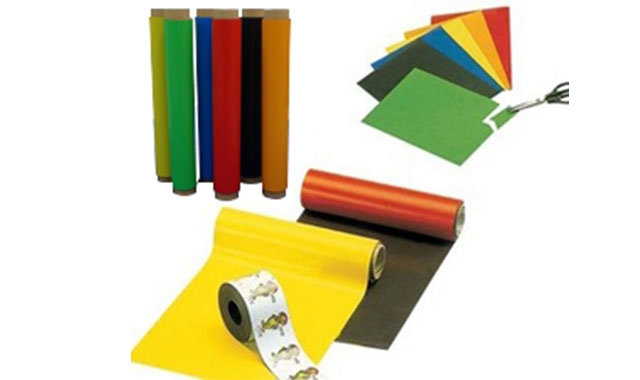
Isotropic vs Anisotropic Flexible Magnet Sheet: When the Stronger Grade Earns Its Price
Both grades are ferrite powder in a rubber binder. The difference is whether the particles are aligned during manufacture, and that alignment decides how much holding force you get from a given thickness.
Agree