The Multifaceted Innovative Impact of Microfactories on the Manufacturing Industry
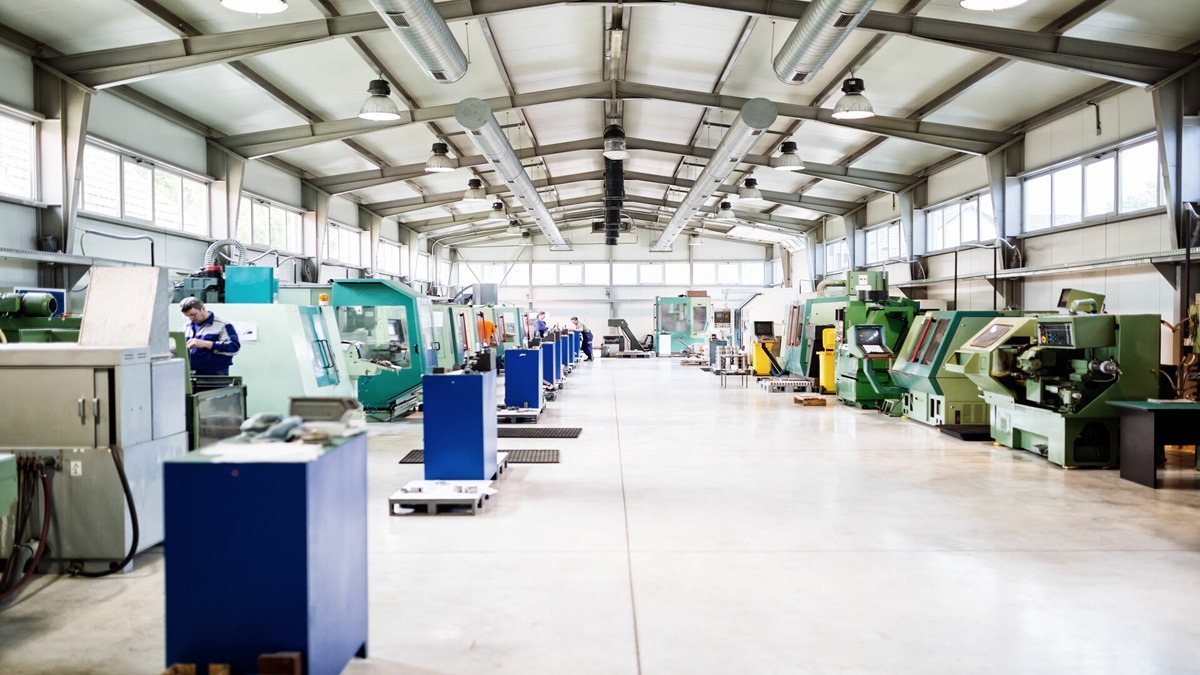
Compared to traditional large factories, microfactories have lower investment costs and modular design advantages. Equipment and production units can be quickly replicated and replaced, reducing downtime and maintenance costs, enabling companies to respond more flexibly to market changes and product adjustments. Moreover, microfactories can shorten time-to-market by quickly responding to market demands and technological innovations. Through modular design and digitized production processes, new product development and market introduction speed up significantly, offering a clear advantage in competitive markets.
Published: Aug 13, 2025
- Strengthening Customization and Personalization Capabilities
- Improving Sustainability and Reducing Environmental Impact
- Localized Production and Strengthened Supply Chain Resilience
- Promoting Technological Innovation and Digital Transformation
- Creating Local Employment and Social Value
- Enhancing Brand Competitiveness and Market Differentiation
- Conclusion
Strengthening Customization and Personalization Capabilities
Microfactories are typically equipped with flexible automation systems combined with AI, big data, and machine learning technologies, enabling rapid adjustment of production processes to meet diverse customer customization needs. They are well-suited for small-batch, diverse production, facilitating a shift from mass standardized production to customized and diversified manufacturing. Furthermore, digital upgrades in microfactories are more feasible and valuable. Integration of IoT, smart sensors, and cloud-based big data enables real-time monitoring and optimization of production processes, while predictive maintenance improves equipment performance and resource utilization efficiency.
Improving Sustainability and Reducing Environmental Impact
Studies show that microfactories are more resource-efficient than traditional factories, reducing water usage by about 90%, chemical use by 50%, and energy consumption by approximately 80%. Moreover, modular production lines and standardized components help reduce production and development time, energy use, and carbon emissions, promoting a circular economy and environmental friendliness. At the same time, improving waste recycling and material circularity is a crucial path to reduce carbon footprints. The small-scale flexibility of microfactories also facilitates more precise material control and waste reduction, advancing green manufacturing.
Localized Production and Strengthened Supply Chain Resilience
Microfactories are suitable to be located close to end customers or demand sites, shortening supply chains, reducing logistics costs and risks, and enhancing supply chain flexibility. This model also encourages collaboration between manufacturers and small designers or makers, shifting from contract manufacturing to creative partnerships, fostering industrial ecosystem co-creation. Moreover, the microfactory model enhances supply chain resilience, allowing rapid adjustments to market changes and unexpected events, reducing reliance on long-distance supply chains and mitigating disruption risks.
Promoting Technological Innovation and Digital Transformation
Microfactories widely integrate Industry 4.0 technologies such as IoT, smart sensors, big data analytics, and ERP/MES system integration, digitizing and visualizing production processes, enhancing production efficiency and quality control, and achieving precision and maximum efficiency. Meanwhile, cloud computing and big data analytics help microfactories monitor production status in real time, quickly resolve issues, and continuously optimize processes, driving lean manufacturing and intelligent management.
Creating Local Employment and Social Value
Microfactories not only reduce logistics costs but also create more local employment opportunities, especially in small to medium-sized cities or industrial areas, helping promote regional economic development and social stability. This small-scale, diversified production model attracts young entrepreneurs and innovators, energizing local innovation and fostering economic diversification.
Enhancing Brand Competitiveness and Market Differentiation
As consumer demand for personalized products grows, the microfactory model enables brands to offer customized and unique products, differentiating from mass standardized production, enhancing brand loyalty and competitiveness. Brands can leverage microfactory flexibility to produce diverse products, increasing consumer engagement and satisfaction, building stronger brand identity.
Conclusion
The innovative impact of microfactories spans economic benefits, environmental sustainability, technological upgrades, and market agility, fully demonstrating the key trends of modern manufacturing’s transformation toward intelligence, miniaturization, and sustainable development.
Published by Aug 13, 2025
Source:
Autodesk



(3796)(20260924)(原).jpg)
(4005)(20260924)(原).jpg)