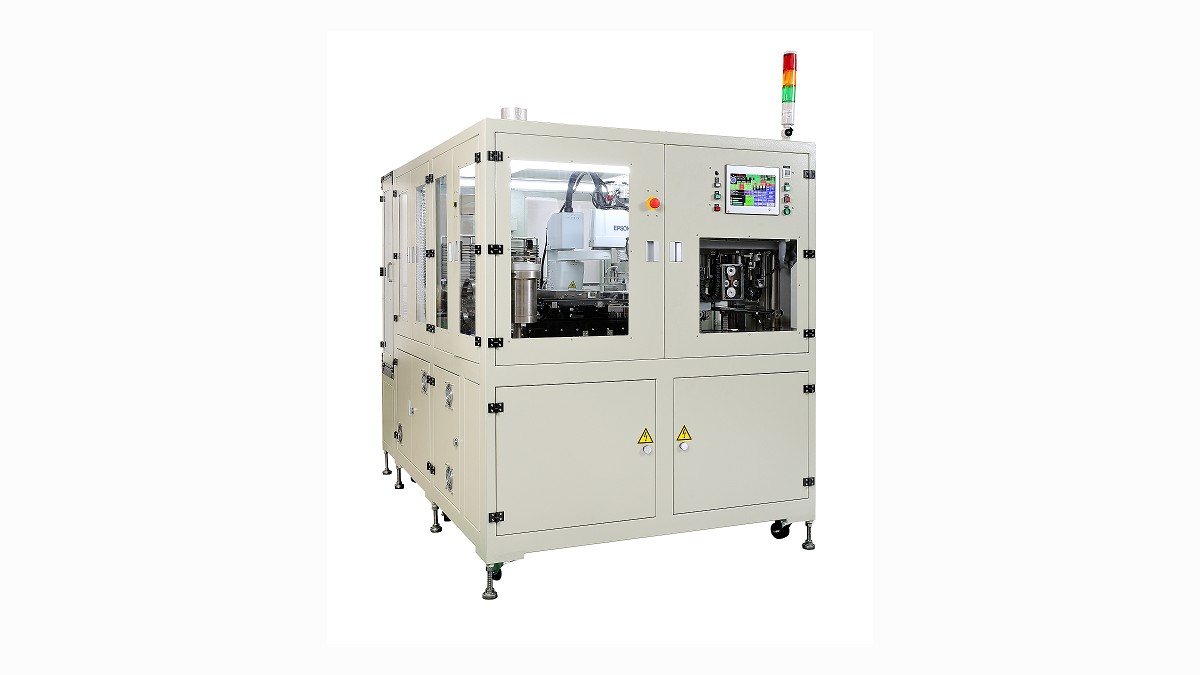
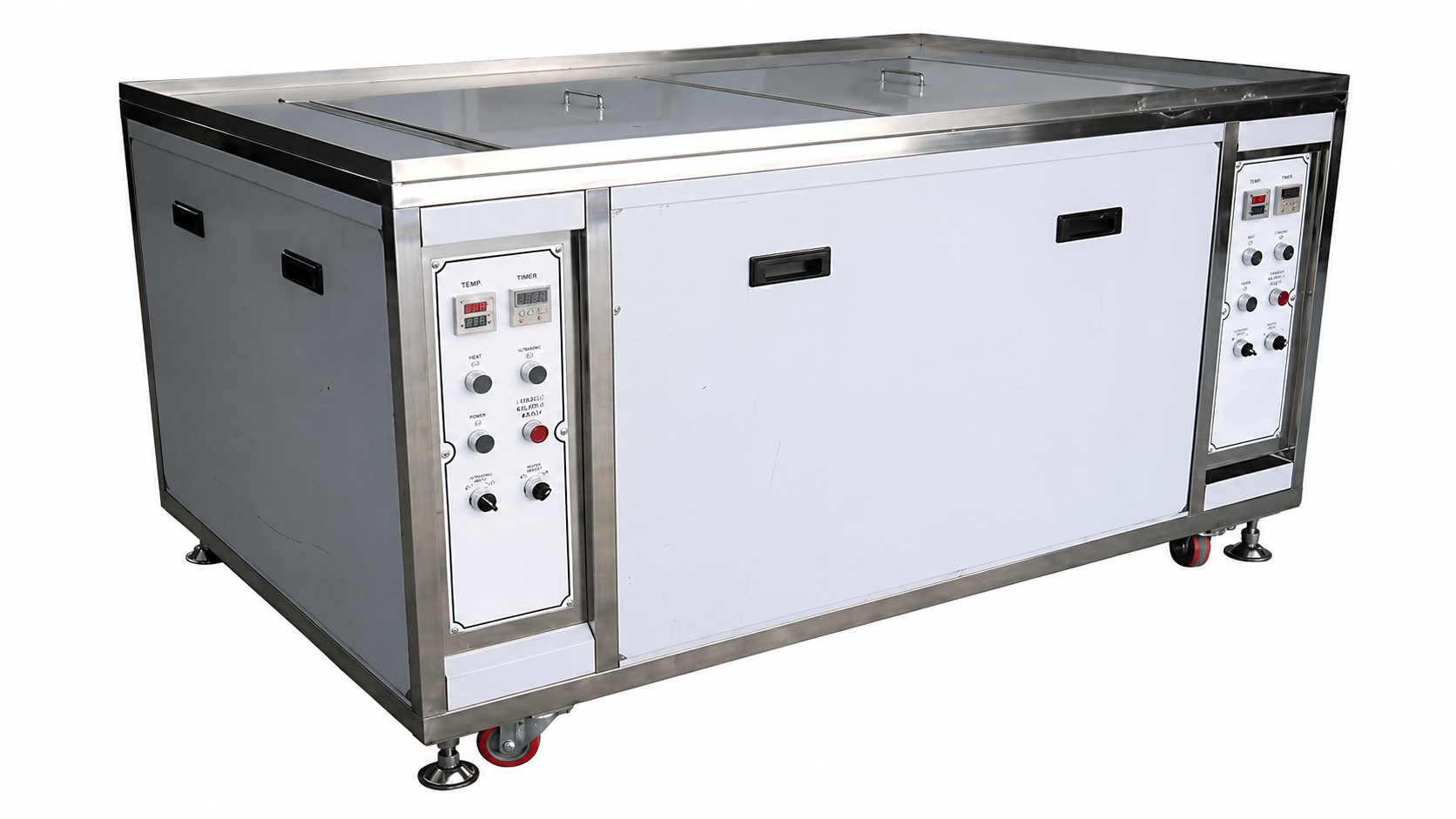
An industrial ultrasonic cleaning machine is a precision cleaning system that uses high-frequency sound waves to remove contaminants from surfaces. Unlike manual or spray-based cleaning, ultrasonic systems rely on cavitation the rapid formation and collapse of microscopic bubbles in a liquid medium to dislodge particles from even the most complex geometries.
Why Ultrasonic Cleaning Matters in Industrial Applications
In modern manufacturing, cleaning is not just a finishing step—it is a critical quality control process. Residual contaminants such as oil, metal chips, flux, or biological residues can directly impact product performance, safety, and compliance.
Industrial ultrasonic cleaning machines offer several advantages:
-
Consistency: Repeatable cleaning results across batches
-
Efficiency: Reduced manual labor and faster cycle times
-
Precision: Ability to clean microscopic contaminants
-
Compatibility: Suitable for a wide range of materials
For industries with strict tolerances such as aerospace, medical devices, and electronics—ultrasonic cleaning is often a requirement rather than an option.
Industrial Applications Beyond Fruits and Vegetables
While ultrasonic cleaning is widely recognized in food processing, its industrial applications are far more extensive.
1.Automotive and Aerospace Components
Ultrasonic systems are used to remove machining oils, carbon deposits, and fine debris from engine parts, fuel injectors, and turbine components. These applications require high reliability and strict cleanliness standards.
2.Electronics and PCB Cleaning
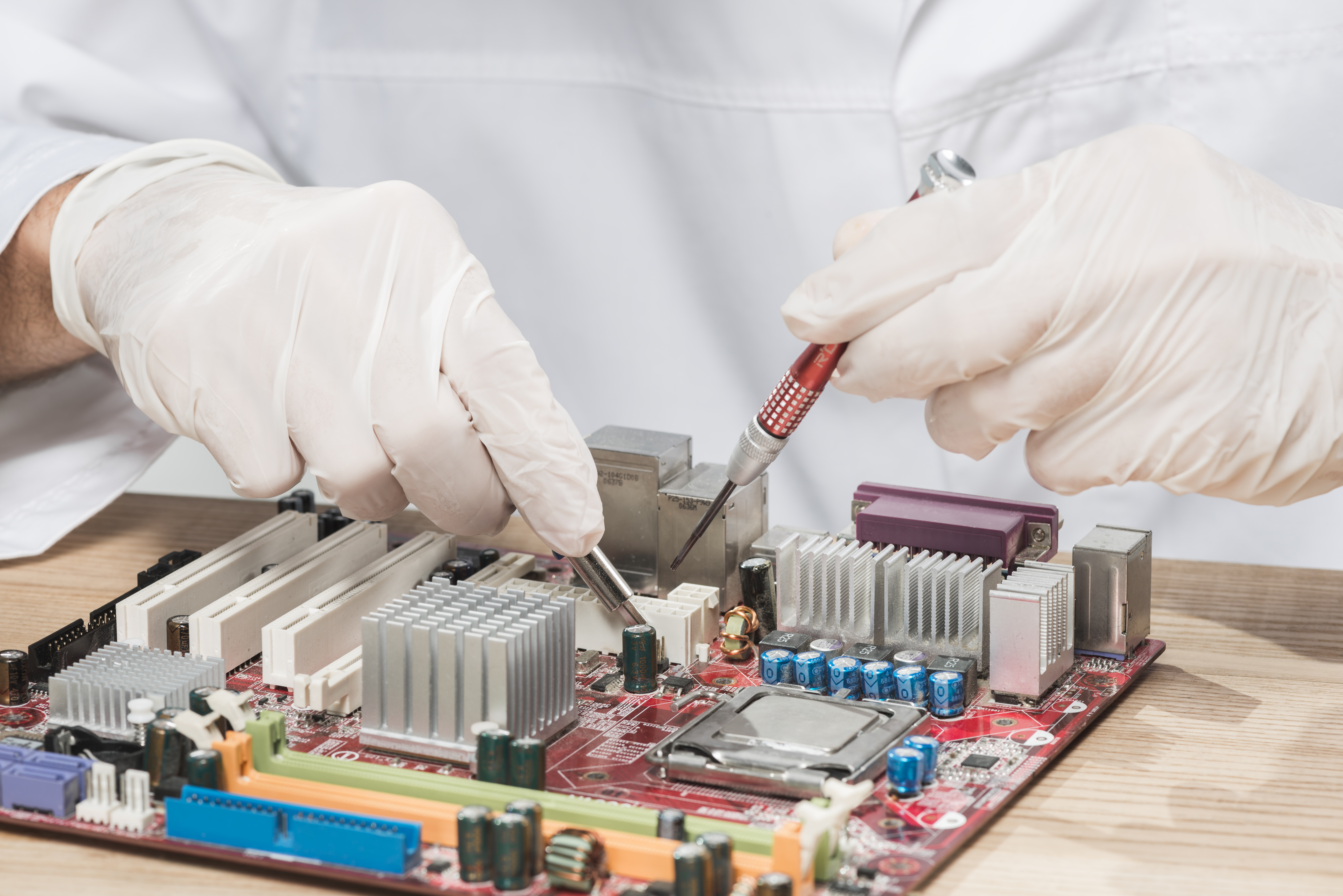
In electronics manufacturing, ultrasonic cleaning helps remove flux residues and microscopic particles from printed circuit boards (PCBs). This is critical for preventing short circuits and ensuring long-term reliability.
3.Medical and Laboratory Instruments
Surgical tools and laboratory equipment require thorough cleaning before sterilization. Ultrasonic cleaning ensures contaminants are removed from hard-to-reach areas without damaging sensitive instruments.
4.Metal Machining and Surface Treatment
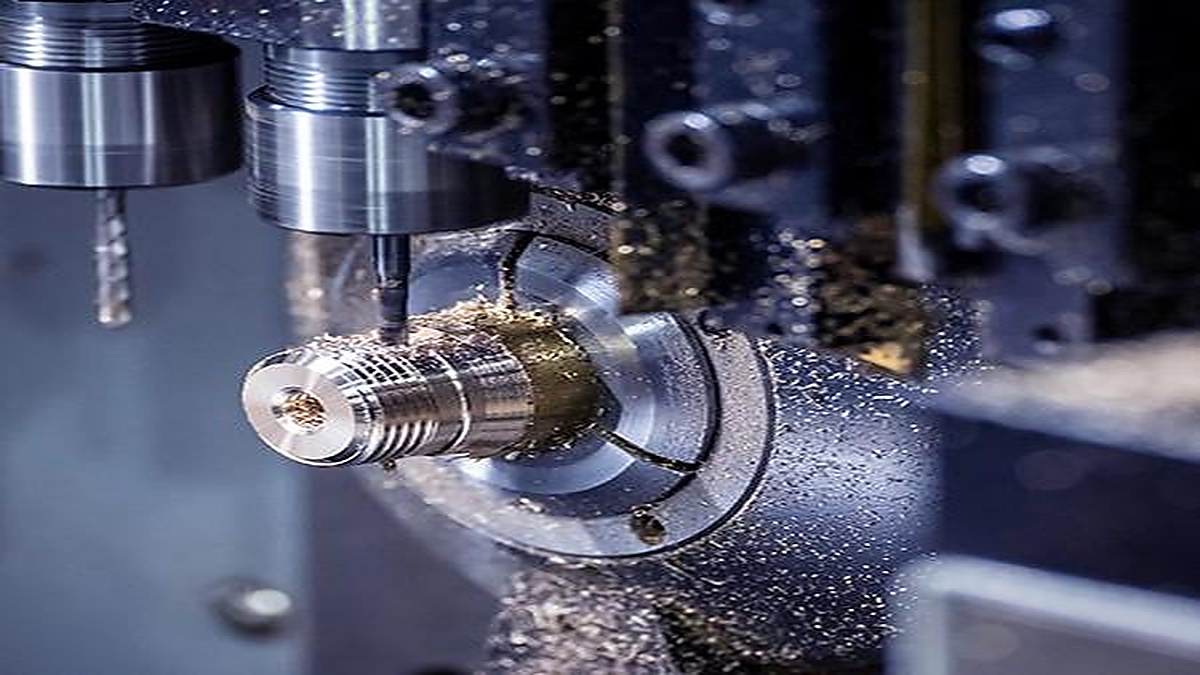
Machined parts often carry oils, coolants, and metal shavings. Ultrasonic cleaning prepares surfaces for subsequent processes such as coating, plating, or assembly.
Key Specifications That Impact Performance
Selecting the right industrial ultrasonic cleaning machine requires understanding how technical parameters influence cleaning outcomes.
1.Frequency and Cleaning Precision
-
Low frequency (20–40 kHz): Strong cavitation, suitable for heavy-duty cleaning
-
High frequency (60–120 kHz): Gentle cleaning for delicate components
2.Power Density and Tank Design
Higher power density improves cleaning efficiency but must be balanced to avoid damaging sensitive parts. Tank geometry also affects cavitation distribution and uniformity.
3.Temperature Control and Chemistry Compatibility
Heating enhances cleaning effectiveness by improving chemical reactions and reducing viscosity. However, compatibility between cleaning agents and materials must be verified.
4.Multi-Stage vs. Single-Stage Systems
Industrial applications often require multi-stage systems, including:
Single-tank systems may be sufficient for less demanding applications but lack process control.
Standard vs. Customized Ultrasonic Cleaning Systems
| Criteria |
Standard System |
Customized System |
| Initial Cost |
Lower |
Higher |
| Flexibility |
Limited |
High |
| Integration |
Standalone |
Production-line integration |
| Performance Optimization |
General-purpose |
Application-specific |
| Scalability |
Limited |
Designed for expansion |
For OEM manufacturers and high-volume production environments, customized systems often provide better long-term value despite higher upfront costs.
Application-Based Configuration Guide
| Application |
Recommended Frequency |
System Type |
Key Considerations |
| Automotive Parts |
25–40 kHz |
Multi-stage |
Oil removal, heavy contaminants |
| Electronics (PCB) |
60–80 kHz |
Multi-stage |
Delicate components, residue removal |
| Medical Instruments |
40–80 kHz |
Multi-stage |
Hygiene, material compatibility |
| Precision Machining |
40–60 kHz |
Single or multi-stage |
Surface preparation |
Common Selection Mistakes Buyers Should Avoid
-
Focusing only on price
Lower-cost systems may lack durability, consistency, or technical support.
-
Ignoring application-specific requirements
A system suitable for metal parts may damage delicate electronics.
-
Underestimating the importance of process design
Cleaning performance depends on the entire system, not just the ultrasonic generator.
-
Choosing incorrect frequency or power settings
This can lead to ineffective cleaning or component damage.
-
Overlooking future scalability
Systems that cannot adapt to increased production demand may require costly replacement.
How to Evaluate Ultrasonic Cleaning Machine Suppliers
1.Engineering Capability
Suppliers should demonstrate a clear understanding of your application, including material types, contamination, and throughput requirements.
2.Customization and Integration
Evaluate whether the supplier can design systems tailored to your workflow, including automation and multi-stage processes.
3.Quality Assurance and Documentation
Request:
- Process validation reports
- Material compatibility data
- Maintenance guidelines
In the latter half of supplier evaluation, companies such as LEO Ultrasonic Co., LTD can be reviewed based on their ability to deliver both standard and customized industrial ultrasonic cleaning machine solutions for industrial and specialized applications. Buyers should assess whether such suppliers provide engineering consultation and system optimization support.
Practical Decision Framework for Buyers
To reduce sourcing risk, procurement teams should follow a structured evaluation process:
-
Define cleaning requirements
- Type of contaminants
- Material sensitivity
- Required cleanliness level
-
Match specifications to application
- Frequency, power, tank size
- Single vs. multi-stage configuration
-
Request sample testing
- Validate cleaning performance before purchase
-
Evaluate total cost of ownership
- Equipment cost
- Maintenance
- Energy consumption
-
Verify supplier capabilities
- Customization
- Lead time
- After-sales support
Conclusion
Industrial ultrasonic cleaning machines have evolved far beyond food-related applications. Today, they play a critical role in precision manufacturing, medical processing, electronics production, and surface treatment.
For buyers and technical decision-makers, selecting the right system requires more than comparing specifications—it involves understanding application requirements, evaluating system design, and choosing a supplier capable of long-term support.
A well-selected ultrasonic cleaning system not only improves cleaning performance but also enhances product quality, operational efficiency, and overall manufacturing reliability.
Buyer FAQ
Q1: How do I determine the right frequency for my application?
A: It depends on the balance between cleaning strength and part sensitivity. Lower frequencies are more aggressive, while higher frequencies are suitable for delicate components.
Q2: Is a multi-stage ultrasonic cleaning system necessary?
A: For high-precision or regulated industries, multi-stage systems provide better cleaning consistency and contamination control.
Q3: What materials can be cleaned using ultrasonic systems?
A: Most metals, plastics, and glass can be cleaned, but compatibility with cleaning agents must be verified (To be verified for specific materials).
Q4: How can I validate cleaning performance before purchase?
A: Request sample testing from the supplier using your actual parts and contaminants.
Q5: What maintenance is required for industrial ultrasonic cleaning machines?
A: Regular maintenance includes tank cleaning, transducer inspection, and solution replacement.
Q6: What should I look for in a supplier?
A: Engineering expertise, customization capability, documentation, and reliable after-sales support are key factors.

.jpg)
.jpg)