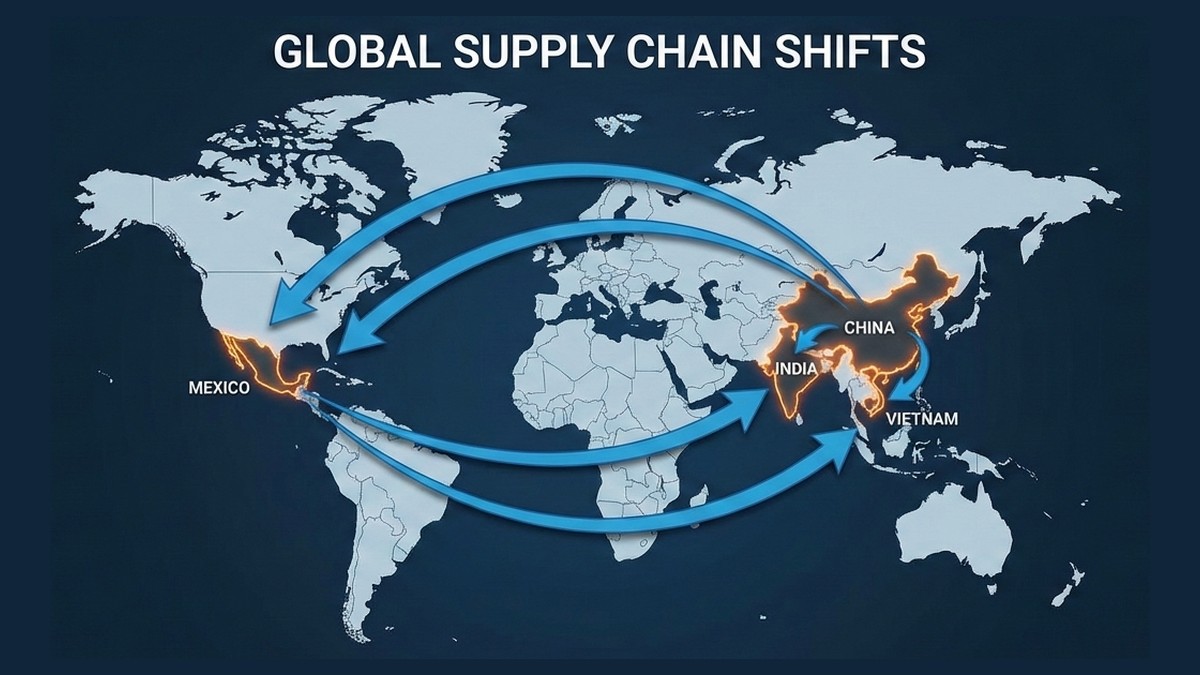
In the face of the epidemic, material shortages, lack of manpower, port congestion, and soaring shipping costs, market demand and the structure of the global supply chain has changed.
Taiwan's machine tool industry scale:
In 2021, Taiwan's machine tool industry had a cumulative export value of US$2.783 billion, an increase of 29.1% over 2020. Among these exports, metal cutting machine tools accounted for 2.304 billion US dollars, and the export value of metal forming machine tools was 479 million US dollars.
In 2021, the cumulative import value of Taiwan's machine tools was 971 million US dollars, an increase of 42.6% over 2020. Among them, the import value of metal cutting machine tools was 862 million US dollars, an increase of 47.3% compared with 2020, while the import value of metal forming machine tools was nearly 110 million US dollars, an increase of 14.1%.
According to the analysis of machine tool types, the most common import items of metal cutting machine tools were electric discharge, laser, and ultrasonic machine tools, with an import value of nearly 425 million US dollars, accounting for 43.8% of the total import value. The main countries imported from were Japan, China, and Singapore. The second largest import category was lathes, with an import value of US$148 million, accounting for 15.2% of total imports, an increase of 78.2% compared with 2020. The main countries imported from were Japan, China, and Thailand.
Import markets of machine tools:
In 2021, the top ten countries Taiwan imported machine tools from were Japan, China, Germany, Singapore, Switzerland, Thailand, South Korea, Italy, the United States, and Israel. Machine tools imported from Japan accounted for 52% of the total imports, with an import value of US$505 million. Taiwan's imports from China amounted to nearly US$148 million, accounting for 15.2% of its total imports. Taiwan's imports from Germany amounted to 55.63 million, a slight decrease from 2020. While imports from Japan and China were mainly electric discharge, laser, and ultrasonic machine tools, tools imported from Germany were mainly planing, plugging, pulling, sawing, and tooth cutting machine tools.
Analyze machine tools by region:
- Discharge/Laser/Ultrasonic tool machines:
The top 10 export markets are China, the United States, Japan, India, South Korea, Russia, Germany, Mexico, Vietnam, and Turkey. Among them, the market demand in Mexico and Germany showed a high growth, while exports to Vietnam, China, and the United States showed a decline.
- Integrated processing machines:
The top 10 export markets are China, Turkey, the United States, the Netherlands, Italy, Malaysia, Russia, India, Germany, and Japan. Among them, Italy, Malaysia, and the Netherlands grew the most.
- Lathes:
The top 10 export market countries are China, the United States, Turkey, Russia, Thailand, India, the Netherlands, the United Kingdom, Vietnam, and Italy. Among them, Thailand and Italy have performed better in export growth, while the increase in the United States has been relatively small.
- Drilling/boring/milling/tapping machine tools:
The top 10 export market countries are China, the United States, Thailand, Vietnam, Turkey, India, Russia, Italy, the United Kingdom, and Malaysia. The main export markets are all growing, and among them, the market demand of Italy has increased the most.
- Grinder:
The top 10 export market countries are China, the United States, Japan, Turkey, India, Russia, Thailand, Germany, South Korea, and Vietnam. Market exports grew best in Thailand, while Germany's demand grew relatively less.
- Planing/Plunging/Pulling/Gearing Tool Machines:
The top 10 rankings are the United States, China, Australia, Germany, the Netherlands, Vietnam, South Korea, Russia, Malaysia, and Turkey. Among them, Turkey and Malaysia showed the most outstanding demand, and Germany and the Netherlands also performed well.
- Forging, stamping, and forming tool machines:
The top 10 export destination countries are China, the United States, Vietnam, Mexico, Thailand, India, Turkey, Japan, Malaysia, and Indonesia. Of the export markets, Mexico's demand is seeing the largest growth, while Indonesia and Japan's demand performance is relatively weak.
- Other forming tools:
The top 10 exporting countries are China, Vietnam, Thailand, Turkey, India, the United States, Indonesia, South Korea, Brazil, and Russia. The main export markets are Russia and Brazil with the largest growth in exports.
Taiwan component import and export analysis in 2021:
For machine tool components such as work clamps, indexing heads or other special machine tool accessories, metal cutting machine tool parts and accessories, metal forming machine tool parts and accessories, ball screws, and linear slides, the total export value was 2.138 billion US dollars in 2021.
Analysis of exports of machine tool components:
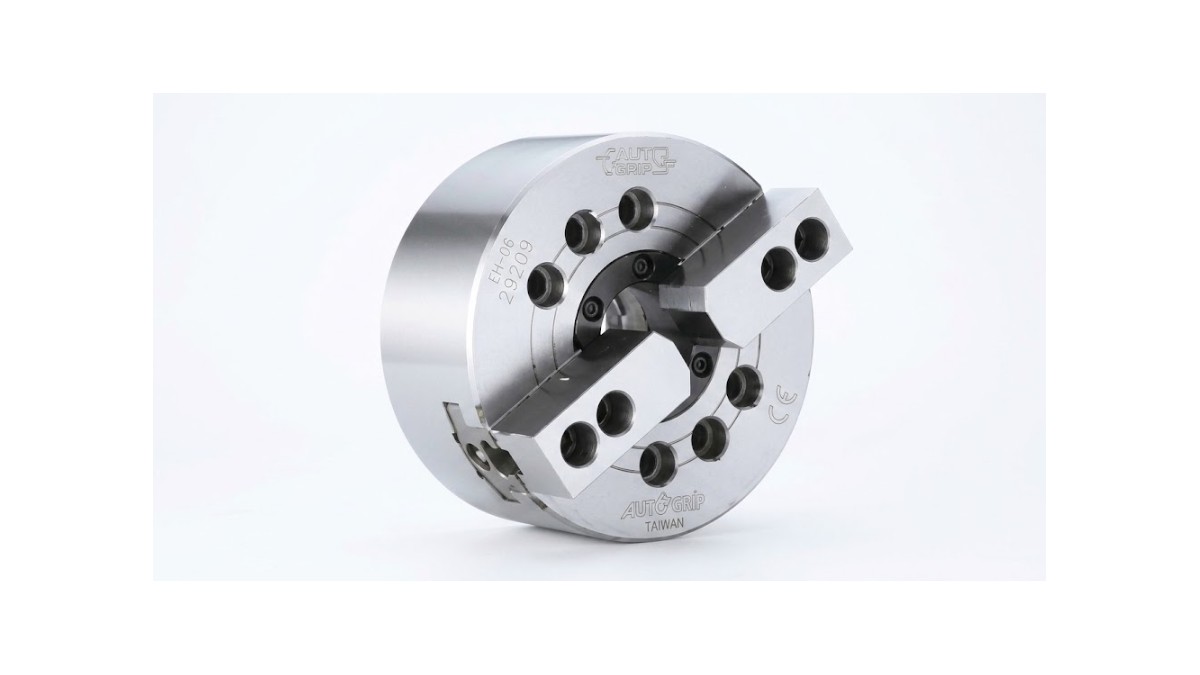
- The cumulative export value of work grippers in 2021 was US$95.98 million, an increase of 34.5% over 2020.
- The cumulative export value of indexing heads or other special machine tool accessories in 2021 was US$65.29 million, an increase of 56.8% over 2020.
- The cumulative export value of metal cutting machine parts and accessories in 2021 was nearly 710 million US dollars, an increase of 48.2% over 2020.
- The cumulative export value of metal forming machine tool parts and accessories in 2021 was nearly 190 million US dollars, an increase of 32.5% compared with 2020.
- The cumulative export value of ball screws in 2021 was 296 million US dollars, an increase of 89% over 2020.
- The cumulative export value of linear slides in 2021 was US$781 million, an increase of 52.1% over 2020.
Analysis of component export market countries:
China was Taiwan's largest market for machine tool components, with exports totaling US$1.35 billion. It was followed by Japan, with exports totaling $121 million, followed by the United States, the Netherlands, South Korea, India, Italy, Germany, Thailand, Turkey.
- The export performance of work clamps increased in Australia, while the United States, Sweden, and Vietnam showed a decline.
- For indexing heads or other special accessories for machine tools, among the major export market countries, Malaysia's exports showed a decline, while exports to South Korea, India, and Singapore's performed relatively well.
- The export market demand for metal cutting machine parts is booming, and the Netherlands is the most outstanding, followed by Thailand.
- For metal-forming machine tool parts and accessories, the main export markets are showing a growth trend, among which the export growth of the United States, Italy, and Malaysia is more prominent.
- The best performance for ball screw exports was to Germany, while Turkey's export performance was relatively weak.
- For linear slides, all major exporting countries are growing, among which Italy, Japan, and Germany have higher growth rates.
Statistical analysis of component imports:
Imported items of machine tool components include workpiece holders, indexing heads or other special machine tool accessories, metal cutting machine tool parts and accessories, metal forming machine tool parts and accessories, ball screws, and linear slides. The cumulative import value in 2021 was 275 million US dollars, an increase of 44.5% compared with 2020.
The main importer of Taiwan's machine tool components was Japan, accounting for 35.2% of the total exports, followed by China's imports of 85.55 million US dollars. Germany was third, with imports totaling nearly $27.62 million. It is followed by Italy, Switzerland, the United States, the United Kingdom, South Korea, Romania, and Vietnam. Except for the decline in exports to the United States compared with 2020, the performance of other markets was mostly growth.
In response to the developing trend of smart manufacturing, small quantity, and diversity, the machine tool and component industry have promoted common norms in recent years to create a development environment that is both competitive and cooperative. It is also expected to promote import substitution in aerospace, defense, semiconductor, and energy equipment. The rise of chemical and new energy vehicles will also bring new opportunities for the machine tool industry.