The optical industry is still the mainstream product sector in consumer electronics, and there is still a lot of room for innovation. Since smartphones are equipped with optical lenses, from the rear to the front, and from single-lens to multi-lens, hardware innovation not only facilitates consumers to take photos and videos but also directly drives the vigorous development of the optical industry.
Global Optical Industry
Smartphones are the largest application market for optical lenses. Since 2019, mobile phone lens upgrades have become a major selling point for smartphones, and multi-lens solutions have been widely adopted in new models. Driven by the demand for multi-lens and high-pixel optical lenses, the global mobile phone CIS market can continue to grow rapidly. It is estimated that global smartphone lens sensor sales in 2019 reached 11.1 billion U.S. dollars, an annual increase of 41%, and in 2020 it reached 16.15 billion U.S. dollars, an annual increase of 40%.
In addition to mobile phones, the security control and automotive sectors are also important sources of growth for the lens market in the future. In the security control market, with the increase in equipment expenditures for security products in various industries, it is estimated that by 2025 the global security control market will reach 292.4 billion US dollars, with a CAGR of 9.4%. Among them, video surveillance is the largest global security control market, having the largest volume.
As for automobiles, the rise of the concept of autonomous driving is the most important flashpoint for lens demand. The unmanned taxi Cruise autonomous driving plan implemented by General Motors, is equipped with 16 optical lenses. Once autonomous driving begins to penetrate the car market, it will create new business opportunities for the lens industry chain.
What is optical manufacturing?
The optical manufacturing industry is engaged in the manufacture of cameras, precision instruments, and other optical instruments and equipment.
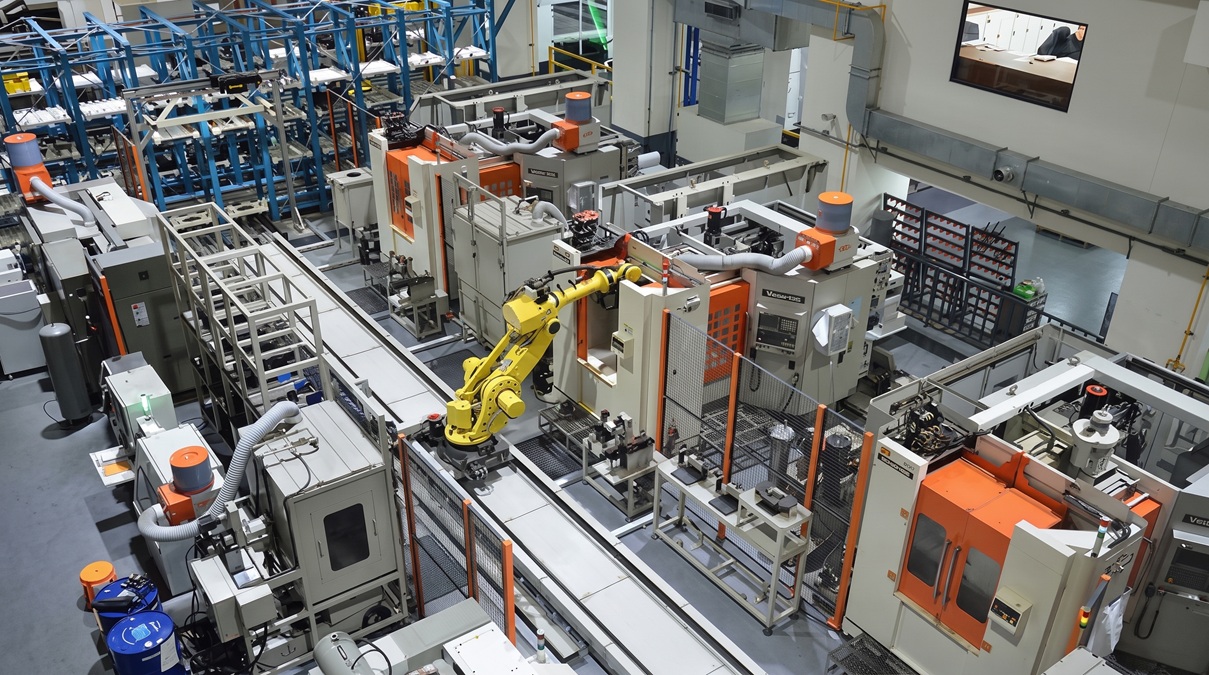
Optical manufacturing is an indispensable part of national industrial and agricultural production, resource exploration, scientific experimenting, electronic products manufacturing, and other manufacturing. Such high-tech industries have high entry barriers and require high-tech talents to invest in the industry. Due to its technology and capital-intensive nature, the optical manufacturing industry is a high-tech industry with a long production process, and each step requires a sophisticated professional manufacturing process.
Current status of Taiwan's optical manufacturing industry:
In the past five years, the number of manufacturers in Taiwan’s optical manufacturing industry ranged from 300 to 400 and remained stable at about 390. Further analysis of the industry reveals that the number of "camera manufacturing industries" has not increased. The main increase in the number of entrepreneurs is "other optical manufacturing industries."
In terms of overall industry revenue, the industry revenue was maintained at around 130 billion yuan from 2014 to 2015. However, due to the fierce competition in the international market and the reduction in product profitability, in 2016 the overall industry revenue fell to 107.9 billion yuan. Revenue level was maintained at around 110 billion yuan for three years, and the overall revenue in 2018 was 109.2 billion yuan. In the past three years, the number of manufacturers in Taiwan’s optical manufacturing industry and their industrial revenue have not changed significantly. The market scale is stable, but there has been little obvious growth in revenue. In recent years, with the popularity of smartphones, the market demand for digital cameras has gradually shrunk, and most optical instrument and equipment manufacturers have invested their main production efforts in the mobile phone optical lens market.
In the mobile phone lens market, competition in the smartphone market has been fierce in recent years, and the continuous upgrading of mobile phone hardware has also driven the optical lens industry to continuously update technology to maintain corporate competitiveness. Benefiting from the competition between mobile phone manufacturers for multi-lenses and increased pixels, the market demand for mobile phone lenses is expanding. So the prospects for mobile phone optical lens suppliers are promising, and the market is expected to expand in the future.
In addition, the 3D sensing technology and fingerprint recognition technology of mobile phones are gradually becoming popular. Such applications will require lens support with high-tech requirements. Take facial recognition function applications as an example. This type of function has originally been for high-end mobile phones. It will gradually expand to medium and low-end mobile phones, which is expected to drive the growth of overall mobile phone optical lens demand. In addition, because Apple has strict patented technology control over Face ID's 3D sensing technology, other mobile phone manufacturers are actively investing in under-screen fingerprint recognition technology. As future mobile phones will develop towards full screens without borders, under-screen fingerprint recognition technology will be an important development direction in the future. This kind of fingerprint recognition technology does not need to expose the fingerprint sensing device to occupy the appearance of the mobile phone, which can enhance the beauty of the mobile phone. But this technology requires a high-sensitivity and a thin lens behind the screen, which has higher requirements for lens technology. With the announcement of the first under-screen fingerprint recognition mobile phone by a China mobile phone manufacturer, it is predicted that the competition for this technology will become more intense in the future. This will further expand the market's demand for high-tech mobile phone lenses.
In addition to the applications on mobile phones, automotive lens applications are also some of the key areas for optical manufacturers to compete in in the future. With the advancement of automotive systems, the gradual development of autonomous driving and advanced driving assistance systems has gradually increased the demand for automotive optical lenses. Car optical lenses of different systems are required for the cabin, front, rear, and sideways. This type of lens needs to have good shock resistance and dust resistance, to ensure that the lens remains clear, and still has a good ability to recognize the environment outside the car at high speeds. It must also be equipped with positioning sensors and other sensing devices. Therefore, although automotive lens manufacturers have high technology and high industry entry barriers, there are still applications that have yet to be developed in the market. In the future, if the industry can master the leading technology, it will bring huge market opportunities.