The optoelectronic material and component manufacturing industry is a branch of the electronic component manufacturing industry. It is a high-tech and capital-intensive industry. Components manufactured with optoelectronic technology or equipment with optoelectronic components as key components are all parts of the optoelectronics industry.
What Is the Manufacturing of Optoelectronic Materials and Optoelectronic Components?
Industry engaged in the manufacture of optoelectronic materials and optoelectronic components, such as the manufacture of liquid crystal panels and their components, light-emitting diodes, solar cells, plasma panels, and their components, etc.
Photoelectric components are electronic components that detect and control light and convert electrical signals into infrared or visible light, and vice versa. Used in electric eyes, monitoring circuits, photovoltaic power supplies, optical fiber communication systems, etc. Injection laser diodes and quantum cascade lasers use optoelectronic elements for stimulated emission. Image sensors and LEDs are used for security purposes, packaging, and digital imaging systems. The increasing use of infrared components in cameras and automobiles and the low power consumption of optoelectronic components are factors driving the market growth. However, the high cost of equipment and cheap alternative technologies hinder the growth of the market. The technological advancement of LED communication and increasing R&D activities have created huge opportunities for the market.
Currently, the optoelectronic materials and optoelectronic component manufacturing industries produce a wide range of products. LEDs, liquid crystal displays, touch panels, solar cells, TV screens, smart devices, energy-saving lighting devices, etc. are all related product applications. With the rapid development of technology, various emerging technologies have been developed. Research and development such as AMOLED, Micro LED, Mini LED, bring new improvement and development to the optoelectronic material and component manufacturing industry.
Current status of Taiwan's optoelectronic materials and optoelectronic component manufacturing industry:
In terms of the number of businesses, the number of businesses in Taiwan’s optoelectronic materials and optoelectronic component manufacturing industry has grown year by year in the past five years, with an average annual growth rate of 8.0%. The changes mainly come from the solar cell manufacturing industry.
In terms of overall revenue, the overall revenue of Taiwan’s optoelectronic materials and optoelectronic component manufacturing industry was NT$342.8 billion in 2015, and then declined year by year. It fell to 263.4 billion yuan in 2017, a 16.6% decline. The overall revenue in 2018 Operating revenue rose to 273.8 billion yuan, and overall revenue in 2019 was 248.5 billion yuan, the lowest in the past five years. Overall, the overall revenue of optoelectronic materials and optoelectronic component manufacturing has been below 300 billion yuan in recent years. The output value of Taiwan's optoelectronic materials and optoelectronic component manufacturing industry reached 1.4 trillion yuan in 2015. In recent years, the output value has gradually declined. From 2016 to 2018, the output value remained at about 1.2 trillion yuan. By 2019, the output value fell to 959 billion yuan, a decline of 17.7%. It is the highest in recent years. Among them, the output value of LCD panels and their component manufacturing industry, light-emitting diode manufacturing industry, and solar cell manufacturing industry are showing a downward trend, and the solar cell manufacturing industry has the largest decline.
The optoelectronic industry is one of Taiwan’s key development industries. In the past five years, Taiwan’s optoelectronic materials and optoelectronic component manufacturing industries have shown a downward trend in terms of sales and output values. Since Taiwan’s optoelectronic materials and optoelectronic component manufacturing industries are mainly export-oriented, they have been affected by the economic boom in recent years. As a result of the international situation, the overall revenue and output value fluctuate more obviously; and the number of businesses has been growing year by year as the government and industry associations continue to promote the development of renewable energy.
From the analysis of the optoelectronic materials and optoelectronic component manufacturing sub-industry, the LCD panel and its component manufacturing industry accounted for more than 80% of the overall optoelectronic materials and optoelectronic component manufacturing revenue. At present, the display panels are mainly LCD TVs, laptops, tablets, and mobile phones. Mainly, the annual demand is huge and continues to grow. Given the more diversified development of network application services, the promotion of various emerging information technologies such as the Internet of Things, AI, and 5G blockchain, and the trend of gradual intelligence in life in the future, will further promote the development of display panels. Demand has become the focus of the development of new markets in the future. Although the development of the high-tech industry is expected to drive market demand, the current fluctuations in the output value of the LCD panel and its component manufacturing industry in recent years are still unstable due to the increase in production capacity and oversupply.
In terms of the light-emitting diode (LED) manufacturing industry, since 2015, Taiwan’s LED manufacturing output value has been in decline for five consecutive years, with a decline ranging from 8% to 17%. In recent years, China has injected many government resources to rapidly develop the LED industry, which has led to many productions capacity entering the market. In addition, since 2018, due to the Sino-US trade war, the demand for terminal products has stagnated, resulting in an oversupply of the overall industry, which has led to a decline in the output value of Taiwan’s LED manufacturing industry.
Facing the pressure of strong domestic and foreign market competition, Taiwan’s LED industry is also actively carrying out industrial transformation and investing in the development of new technologies such as Mini LED and Micro LED. On the other hand, the market has entered the generational change of LCD and OLED mobile phone screen technology. With increasing demand, OLED and AMOLED for full-screen and curved screens of mobile phones will become the mainstream of the market. The gradual expansion of related application fields in the future and the investment of new technology resources will help Taiwan’s LED industry to gradually stabilize.
In terms of solar cell manufacturing, Taiwan is the world’s second-largest producer of silicon solar cells. Its production capacity accounts for about 10% of the world’s capacity, second only to China. In the past, Taiwan’s solar cell industry has long been export-oriented; however, the export market has since been affected by the US double anti-dumping tax (anti-dumping and countervailing) since 2015, China announced in 2018 that it would restrict the scale of solar power plants construction and reduce solar subsidies, and the US announced that it would impose a 30% tax on imported solar cell and module products. Tariffs and these policies have caused a certain degree of impact on Taiwan's solar photovoltaic industry. Therefore, the industry has gradually shifted its export focus to Europe and India, which have a high acceptance of solar photovoltaic products.
On the other hand, the Taiwanese government has actively promoted the energy transformation in recent years and has aimed to promote the development of the green energy industry. The government has actively promoted related policies to enable Taiwan to achieve the 20GW solar photovoltaic set goal by 2025, and it is also expected to stabilize Taiwan’s solar photovoltaic industry. Domestic demand market. In the future, Taiwan’s solar cell industry will continue to expand the domestic demand market. At the same time, the industry will transform towards system integration services. The vertical integration of upstream and downstream modules, as well as energy investment in R&D, manufacturing, and quality control, will be the focus of future development, and the investment will be high. Value-added technology and product development, and development of differentiated products to respond to the rapidly changing market environment.
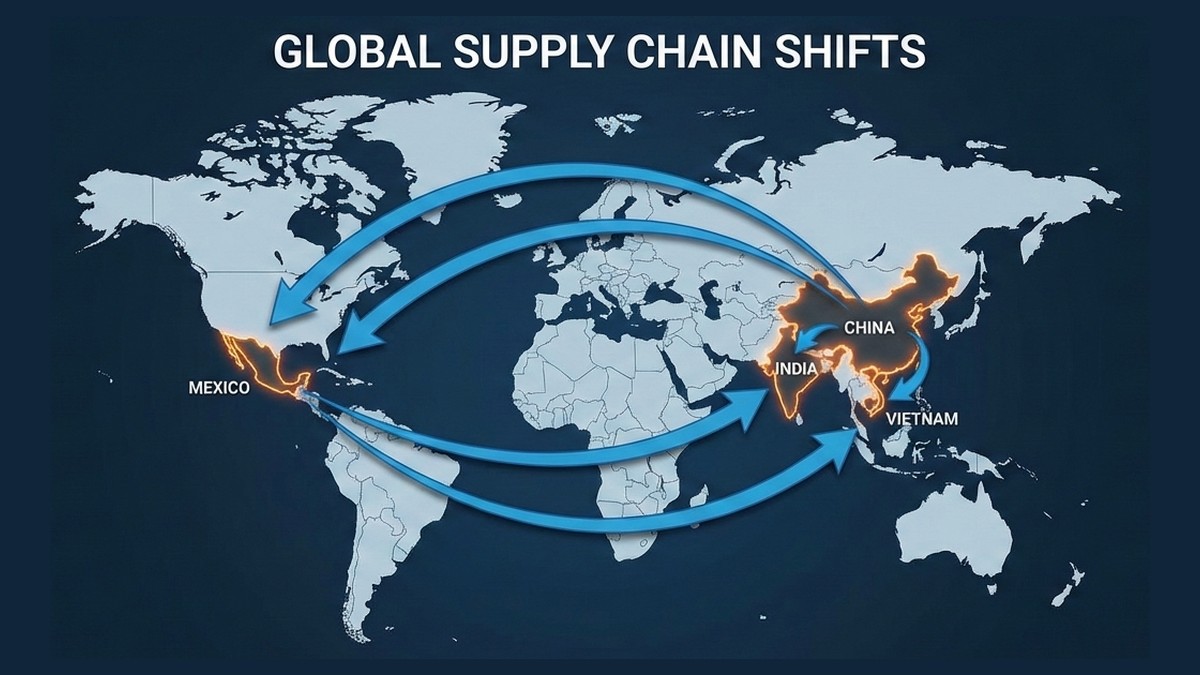
In recent years, the optoelectronic material and component manufacturing industry has been affected by the rise of China’s red supply chain and the economic uncertainty caused by the Sino-US trade war. The overall industrial competition has undergone a new type of transformation, facing major competitors such as China’s continued expansion of investment. In terms of production capacity, Japan and South Korea continue to develop towards higher-end markets. Taiwan’s optoelectronic materials and optoelectronic component manufacturing industries need to develop niche markets and new technologies to find their market position.
In 2020, the COVID-19 epidemic spread globally, and the global economy was affected by the epidemic. China's production has been shut down due to the epidemic. Even if work is resumed, it will be difficult to restore the previous production capacity in the short term. Although the optoelectronic industry has been oversupplying since 2019, it still has inventory available for sale. However, as the epidemic in Japan, South Korea, Europe, and the United States expanded, the global manufacturing industry faced the problems of supply chain disconnection and demand tightening. Under the cascading effects of industrial globalization, Taiwan was not immune to supply chain variables, but the epidemic may also promote the balance of supply and demand of panels, LEDs, etc. Price increases, or benefit from epidemic prevention and long-distance communications may increase demand. Overall, under the impact of this wave of the epidemic, the future trend of the overall industry is still unclear. Taiwanese industry players should continue to carry out value transformation and pay attention to trend development to seize market opportunities promptly.