What Is A Sheet Metal Machine and Its Types?
Knowledge

What Is A Sheet Metal Machine and Its Types?

Sheet metal machines are used for metal processing and industrial cutting, stamping, bending and forming sheet metal processing.
Published: Mar 24, 2020
What Is A Sheet Metal Machine and Its Types?

What is the purpose of sheet metal machine?

A sheet metal machine is used to cut, press, bend and form sheet metal into various shapes and sizes. These sheet metal machines help to easily, quickly and effectively; perform a wide range of tasks, such as cutting, stamping, bending, perforating, ironing, spinning, deep drawing, roll forming, press brake forming, rolling, decambering, wheeling, etc.

Sheet metal machines can be classified into various industrial applications such as shearing machines, sheet metal cutting machines, bending machines, rolling mills, and bending machines.

Sheet metal machines can also be operated through various types of systems, such as hydraulic presses, NC control machines, CNC control machines, CNC synchronous machines, and guillotine machines.

What types of sheet metal machines are there?

  1. Power Press: Power presses are used in heavy industrial applications where high pressure is required to cut, bend, press and form sheet metal of various shapes and sizes.
  2. Arbour Press: Arbour press is a versatile engineering machine that is used in a wide range of industries, such as automotive, garage and general metal applications.
  3. Swaging Machine: Our industrial forging presses are used to change the size of cylindrical or plain metal sheets used for crimping and wiring.
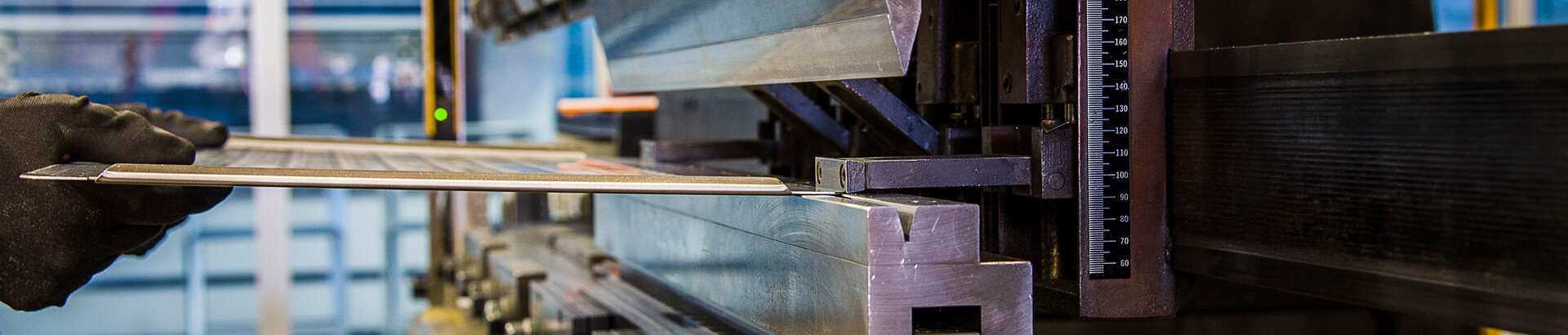
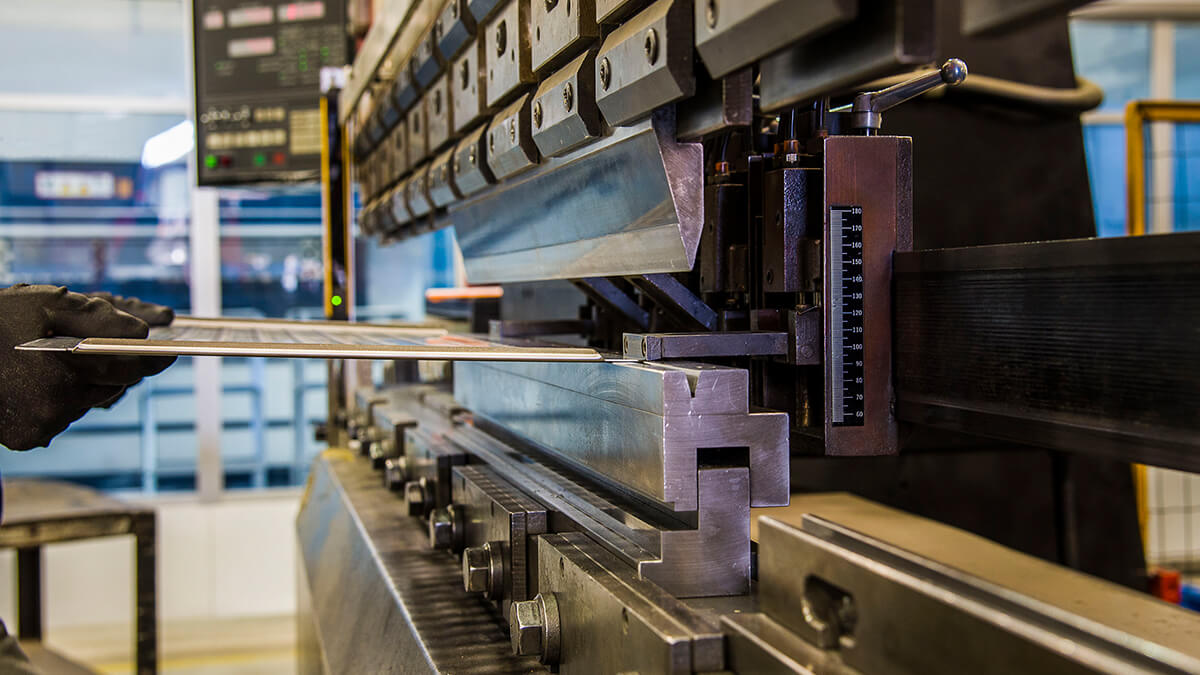
  4. Bending Machine: The more widely used machine tools in the sheet metal industry are bending machines. It has manual, hydraulic and electrical systems to achieve the required bend.
  5. Hydraulic Shearing Machine: Sheet metal bending machines, such as manual luggage folding machines, plate bending machines, and flying presses, simplify and accelerate the metal bending process in metal processing plants.

Published by Mar 24, 2020 Source :Youtube

Further reading

You might also be interested in ...

Headline
Knowledge
How Can Manufacturers Reduce Incoming Quality Risks When Supplier Quality Is Unstable?
Supplier quality directly affects production stability, delivery performance, and customer satisfaction. Learn how supplier qualification, incoming inspection, performance monitoring, and collaborative improvement help manufacturers reduce quality risks before materials reach the production line.
Headline
Knowledge
Why Do Quality Issues Keep Recurring? The Real Problem May Be That Corrective Actions Never Reached the Shop Floor
Corrective actions only create value when they become part of daily operations. Learn how root cause analysis, CAPA, standardized work, and continuous improvement help manufacturers prevent recurring quality issues and strengthen long-term quality performance.
Headline
Knowledge
Why Do Operational Differences Persist Even After Standardizing Production Processes?
Creating SOPs is only the first step. Learn how standardized work, effective shop floor management, continuous training, and ongoing improvement help manufacturers achieve consistent quality, productivity, and operational excellence.
Headline
Knowledge
How Does Excessive Changeover Time Affect Capacity and Delivery Performance?
Long changeover times reduce equipment utilization and delay production. Learn how manufacturers can apply SMED, standardized work, and lean principles to shorten setup time, increase capacity, and improve on-time delivery.
Headline
Knowledge
Vane Pump Cartridge Kit Maintenance: A Practical Pump Rebuild Guide for OEM Service Teams
For OEM service teams and distributors, knowing when a hydraulic vane pump may be rebuilt with a vane pump cartridge kit rather than replaced outright can help reduce repair cost and equipment downtime.
Headline
Knowledge
Popping Boba Technology: The Encapsulation Science Behind the Trend
The performance of popping boba depends on encapsulation chemistry: the gel membrane has to deliver the intended bite while remaining compatible with the product's storage, filling, and processing conditions.
Headline
Knowledge
Standard vs. Custom Coil Winding Machines: When Do You Need a Bespoke Turnkey Solution?
From Standalone Machines to Automated Lines: Understanding the Timing and Benefits of Custom Winding Solutions
Headline
Knowledge
A Comprehensive Guide to Industrial Power Factor Correction: Reducing Energy Costs and Penalties
Electricity costs in industrial operations are influenced by more than just total energy consumption.
Headline
Knowledge
Retrofitting vs. Replacing: When Should You Upgrade a Legacy Rubber Calendering Machine?
How to Determine Whether Your Legacy Calender Still Supports Safe, Consistent, and Cost-Effective Production
Headline
Knowledge
How to Choose the Right CNC Cylindrical Grinder: A Precision Buyer’s Guide
Choose for Proven Part Performance, Not the Biggest Specification or Lowest Price
Headline
Knowledge
How Can Digital Twins Help Manufacturers Optimize Production Processes and Equipment Management?
How Digital Twin Technology Improves Production Efficiency, Predictive Maintenance, and Smart Factory Management
Headline
Knowledge
How Can Predictive Maintenance Reduce Equipment Downtime Costs?
Using Predictive Maintenance to Minimize Downtime and Improve Equipment Reliability
Agree