The iron and steel industry mainly includes the mining and production of ferrous metals such as iron, chromium, manganese, and other minerals. It is one of Taiwan’s most important raw material industries.
Introduction to the Steel Industry:
The iron and steel industry can be divided into two categories according to the material of the finished products: "carbon steel" and "stainless and alloy steel". These sectors can be further divided into Upstream, Midstream, and Downstream industries, according to their different market roles.
-
Upstream Steel Industries:
This includes the supply of raw materials, or simply processed materials such as coal, iron ore and scrap steel, etc. These materials are primarily used to produce large and small steel billets, steel ingots, etc. Upstream Steel Industries usually include blast furnaces and electric furnaces.
-
Midstream Steel Industries:
These industries process upstream raw materials into materials that can be further processed downstream. Examples include cold and hot rolled steel sheets and plates, reinforced steel coil, and other various types of steel. The midstream of the stainless-steel industry is comprised of many more industries and manufacturing operations than the midstream carbon steel industry.
-
Downstream Steel Industry:
A wide range of end products are produced from steel including machinery and equipment, transportation vehicles, screws and nuts, steel wires and cables, construction materials, tools and molds for industry etc.
Taiwan's Steel Industry
The steel industry is a capital-intensive industry, and Taiwan's steel industry is dominated by various small and medium-sized steel mills. Various industries include smelting, casting, forging, rolling, stamping, cutting, and welding steel.
Steel Industry Supply and Demand:
-
The supply side of the steel industry:
China is the world's largest steel producer (accounting for 53% of global output), and Hebei Province is an important steel producing provence, accounting for more than 20% of China's total output. In 2021, China's lockdown due to the COVID-19 pandemic had a major effect on the transportation of steel raw materials and lead to a tightening of market supply.
To realize the goal of carbon neutrality and carbon reduction, the Chinese government has formulated the policy direction of "resolutely reducing steel production".
-
The demand side of the steel industry:
In the second half of 2020, the pandemic began to slow down, and downstream industry customers continued to replenish their inventories. In addition, the demand continued to boom, and the market demand for sports equipment, domestic construction, and automobiles continued to strengthen, leading to overall increased demand.
In 2021, China promoted the "14th Five-Year Plan", and China's domestic demand was expected to continue to grow in 2021, and in turn activate the global steel industry.
In 2021, the U.S. government passed a $1.2 trillion infrastructure budget, further boosting steel demand.
What is Scrap Steel?
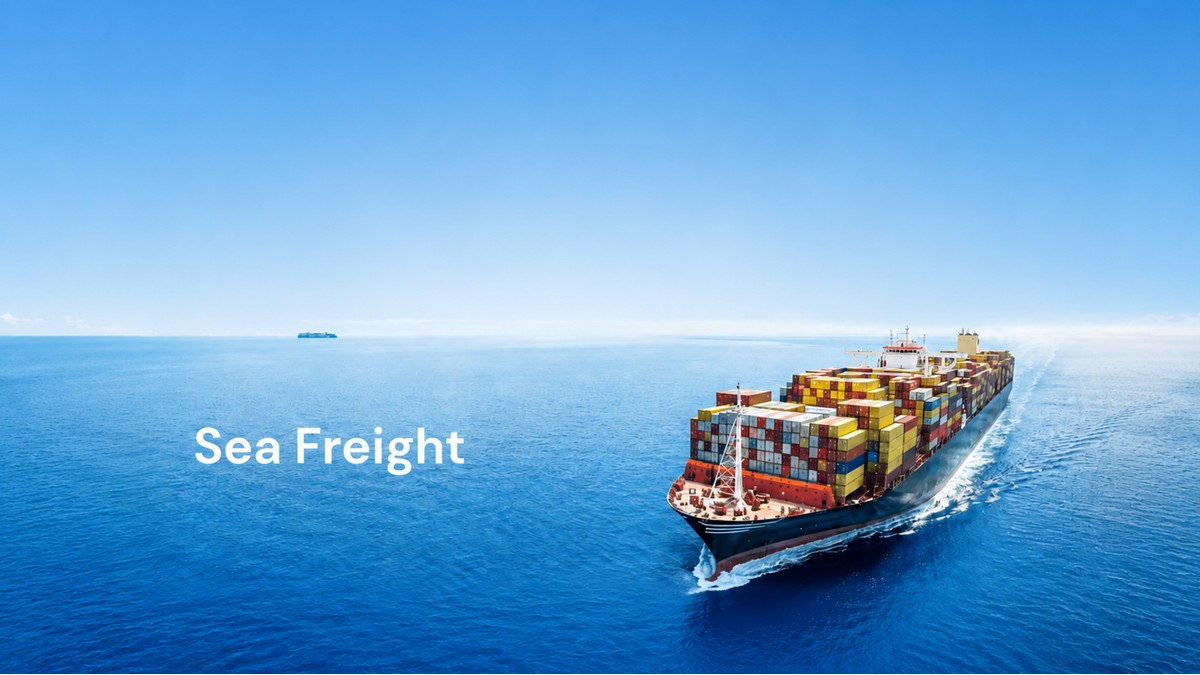
Because steel maintains its properties well, it can be used as a direct production material, thereby improving the utilization value of steel. Taiwan's scrap steel is mainly imported from the United States and Japan. At present, major steel mills mostly rely on "container scrap" for their imports. In the past, many containers were shipped from East Asia to the United States but there were few products available to ship back east. To avoid returning containers empty, and to generate more revenue, containers would be loaded with scrap iron and shipped back at discounted shipping prices of around 15-20% of the outgoing journey.
Standard Conditions for the Iron and Steel Industry:
The iron and steel industry has regulated six aspects of the industry: utilization, technology and equipment, production scale, safety and health, and social responsibility.
Iron and steel enterprises must have sound safety production and occupational health management systems. Because hazardous chemical production is controlled and enterprises are required to follow safety regulations, there have been no major safety liability accidents in Taiwan during the past two years.
The Future of the Steel Industry:
Stimulated by the low-interest rate financial environment, the demand for steel in infrastructure construction and real estate, whether in Europe and the United States or even China and other Asian countries, has continued grow.
World steel forecasts estimate production growth of 2.2% in 2022. In 2021, the United States passed an infrastructure bill, and the demand for steel in various places is still growing slightly. Under the trend of China's intensified production reduction due to carbon neutrality, although the steel market does not have the momentum of substantial growth it had in the past, it is still expected to have some growth.