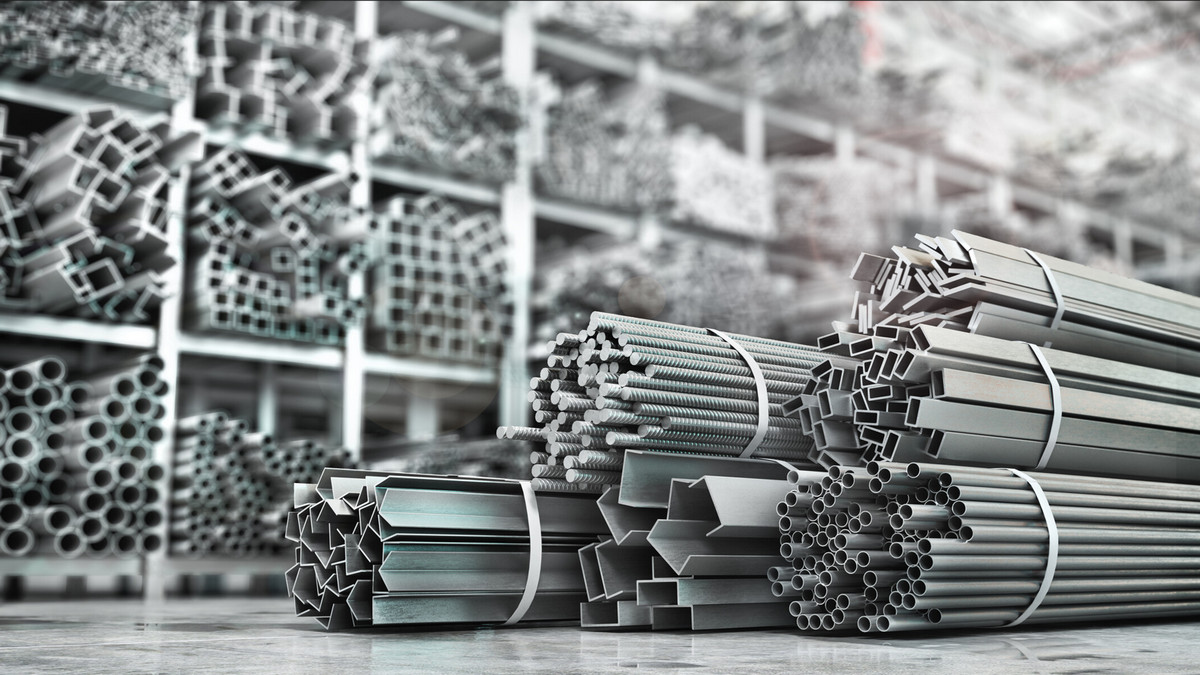
Stainless Steel is the abbreviation of stainless acid-resistant steel, and the steel grades that are resistant to air, steam, water, and other weak corrosive media or have stainless properties are called stainless steel. The steel that is resistant to chemical corrosion is called acid-resistant steel.
What is Stainless Steel?
Stainless steel is also called stainless acid-resistant steel, water copper iron. Metallurgy refers to the alloy steel containing high chromium that is passive, corrosion-resistant, rust-free, and in the atmosphere and corrosive media such as acid, alkali, and salt. It contains nickel, molybdenum, vanadium, manganese, tungsten, and other elements. The most important metal element that determines the rust resistance of stainless steel is chromium. Internationally defined by weight, stainless steel is an alloy steel with a minimum chromium content of 10.5% wt. and a maximum carbon content of 1.2% wt. or an iron alloy with a chromium content exceeding 10%. Stainless steel gets its name from the fact that it does not corrode and rust as easily as ordinary steel.
If stainless steel contains a low proportion of chromium or other elements, it can only form an oxide film on the surface to protect it and still oxidize. It has the anti-corrosion characteristics of copper or aluminum. This kind of steel is not stainless steel, but weather-resistant steel. Chromium and low carbon content can show obvious corrosion resistance and heat resistance, and nickel, molybdenum, vanadium, titanium, niobium, manganese, tungsten, aluminum, copper, nitrogen, sulfur, phosphorus, and selenium can be added to make An anti-rust oxide film will be formed on the surface to improve the corrosion resistance and oxidation resistance of special environments, and to endow special properties to protect the steel itself from oxidation and corrosion of air, water, certain acids and alkalis in the external environment.
Most stainless steels are first melted in a bottom-blown oxygen converter or basic oxygen steelmaking and then refined in another steelmaking furnace, mainly to reduce the carbon content. In argon oxygen decarburization, a gas mixture of oxygen and argon is sprayed into molten steel. Varying the ratio of oxygen and argon reduces the carbon content to a controlled level by oxidizing the carbon-to-carbon monoxide without oxidation and loss of expensive chromium. Therefore, less expensive raw materials such as high-carbon ferrochrome can be used in the initial melting operation.
What are the Classifications of Stainless Steel?
Ordinary steel is carbon steel, that is, iron-carbon alloy. According to the level of carbon content, it is divided into low-carbon steel, medium-carbon steel, and cast iron. Those with a carbon content of less than 0.2% are low-carbon steel, also known as wrought iron or pure iron. The content of 0.2-1.7% is steel. The content above 1.7% is pig iron.
The chromium content in steel is more than 12.5%, which has high resistance to external media such as acid and alkali salt. Corrosion-resistant steel is stainless steel, and stainless steel can be divided into martensitic, ferritic, austenitic, ferritic-austenitic, and precipitation-hardening stainless steel.
- Austenitic stainless steel: Due to the addition of high chromium and nickel to the steel, the internal structure of the steel presents a state of austenite. This tissue is non-magnetic and cannot be attracted by magnets. It is often used as decorative materials such as stainless-steel pipes, towel racks, tableware, stoves, etc.
- Martensitic stainless steel: Martensitic stainless steel should be used for making knives and scissors. Because knives and scissors have the function of cutting objects, they must have sharpness, and to have sharpness, they must have a certain hardness. This kind of stainless steel must undergo heat treatment to make its internal structure change and increase its hardness before it can be used as knives and scissors. However, the internal structure of this type of stainless steel is tempered martensite, which has magnetic properties and can be attracted by magnets.
Common Stainless-Steel Grades and Their Functions:
-
200 Series Stainless Steel: Industrial Grade
It was developed during the World War II due to an insufficient supply of nickel metal. The nickel content was halved and replaced by cheaper manganese, which was used as a substitute steel for the 300 series. It has basic hardness and corrosion resistance is relatively cheap and is relatively easy to corrode. It belongs to industrial grade stainless steel, suitable for iron windows, iron doors, beams, columns, etc.
- Model 201: The cost is relatively low, the nickel content is extremely low, the anti-rust effect is poor, and the manganese content is high to increase the ductility. It is often used in industrial-grade stainless steel for industrial use, such as iron windows, iron doors, beams and columns, railway vehicles, etc.
- Model 202: It has basic acid and alkali resistance. Because of its low price, it is often used as a substitute for 304 stainless steels. It is easy to precipitate manganese after heating, so it is not suitable for tableware.
-
300 Series Stainless Steel: Food Grade
With a high content of chromium and nickel, it achieves the best balance in hardness, corrosion resistance, and processing, and is durable. It is the first choice and the most widely used tableware.
- Model 301: Good ductility, used for molding products. It can be hardened by mechanical processing. Good weldability. Wear resistance and fatigue strength are better than 304 stainless steel, products such as springs, steel structures, and wheel covers.
- Model 302: The corrosion resistance is the same as that of 304, and the strength is better due to the relatively high carbon content.
- Model 303: It is easier to cut than 304 by adding a small amount of sulfur and phosphorus.
- Model 304: 304 stainless steel is food-grade stainless steel, which may have weak magnetism due to processing, but it cannot be strong magnetism. Suitable for tableware, corrosion-resistant containers, furniture, railings, medical equipment, etc.
- Model 305/384: Contains higher nickel, and its work hardening rate is low, suitable for high cold formability requirements.
- Model 309: Better temperature resistance than 304.
- Model 316: 316 stainless steel contains molybdenum (Mo), so it is more corrosion-resistant, stronger, and more expensive. It is completely non-magnetic and belongs of medical grade stainless steel. It is suitable for surgical equipment, fertilizer production equipment, the food industry, coastal facilities, high-priced pots, etc.
- Model 321: Because the addition of titanium reduces the risk of material weld corrosion, other properties are similar to 304, suitable for welding brewing equipment, steam pipes, and aviation parts.
- Model 347: Added stabilizing element niobium, suitable for welding aircraft parts and chemical equipment.
-
400 Series Stainless Steel: Food Grade
It is a pure iron-chromium alloy, nickel-free or low-nickel stainless steel. Compared with the 300 series, it is easy to rust and the price is lower, but the advantage is that it is easy to process and has better nitric acid corrosion resistance. It is magnetic, so it can be used to distinguish 304, and 316 stainless steel.
- Model 408: Good heat resistance, weak corrosion resistance.
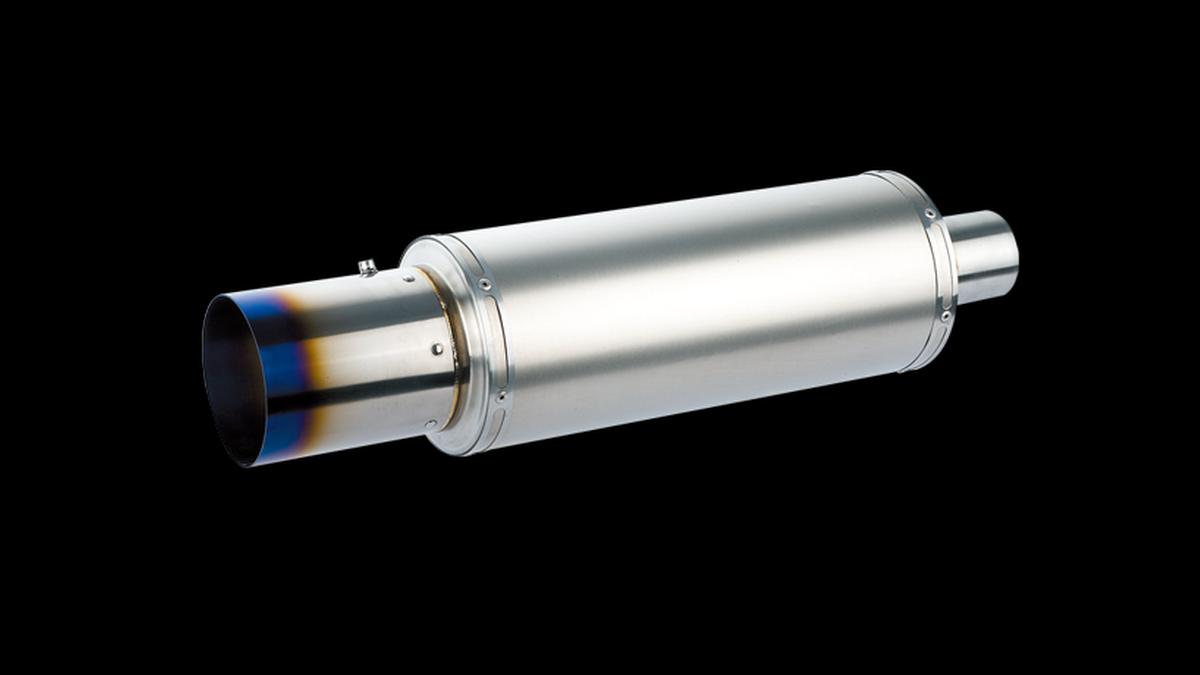
- Model 409: The cheapest model, suitable for welding, usually used for automobile exhaust pipes, and petroleum equipment.
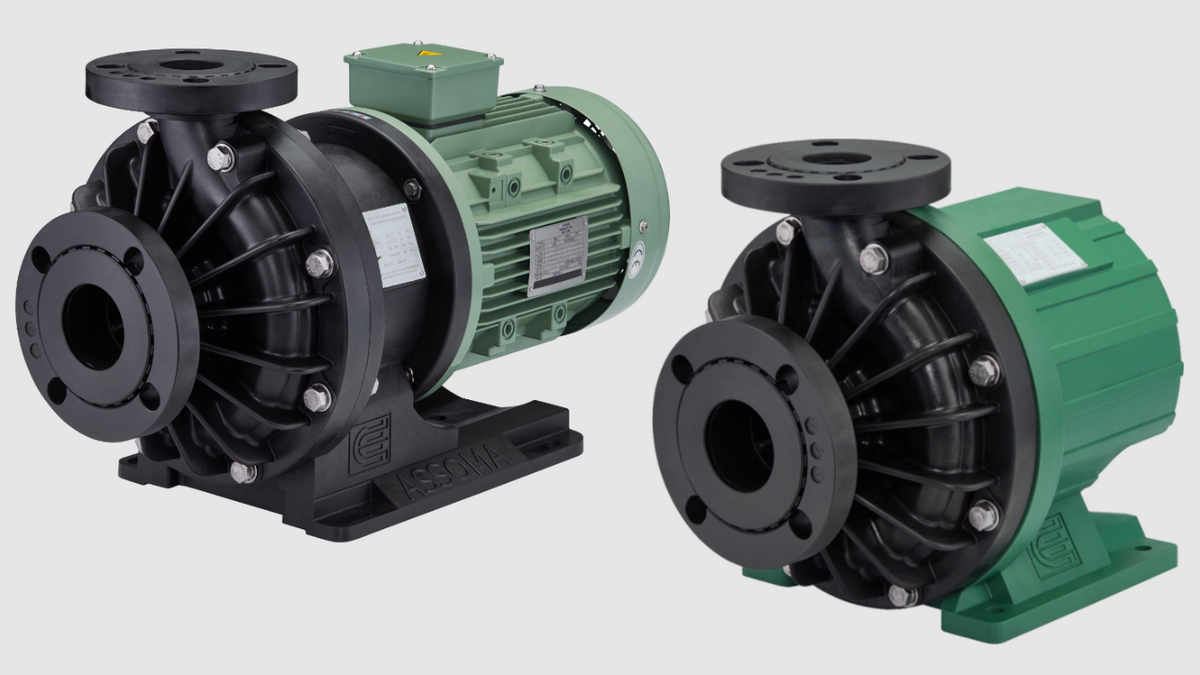
- Model 410: Good wear resistance, poor corrosion resistance, suitable for pumps. The raw material is cheap, magnetic, and hard enable by heat treatment. General uses include bearings, medical appliances, knives, etc.
- Model 416: Sulfur is added, thus improving the processing properties of the material.
- Model 420: Contains higher carbon, hardness, and higher strength. The earliest stainless steel can be made bright. It is suitable for knives, springs, surgical instruments, razor heads, and valves.
- Model 430: 430 stainless steel is the most widely used in automotive trims and related components because of its good nitric acid corrosion resistance, and is commonly used in kitchen utensils, dishwashers, and the inner layer of washing machines.
- Model 434: Contains molybdenum, so its corrosion resistance is better than 430, suitable for tableware, wiper, and car decoration.
- Model 440: High-strength knife steel with slightly higher carbon content and a hardness of 58HRC, which is the hardest stainless steel.