The Functioning of Laser Cutting Machines
Knowledge

The Functioning of Laser Cutting Machines

Laser cutting technology Compared with traditional cutting, the laser cutting process has better accuracy, and precise details are cut through a high-intensity laser beam.
Published: Aug 31, 2023
The Functioning of Laser Cutting Machines

Laser Cutting in Recent Application

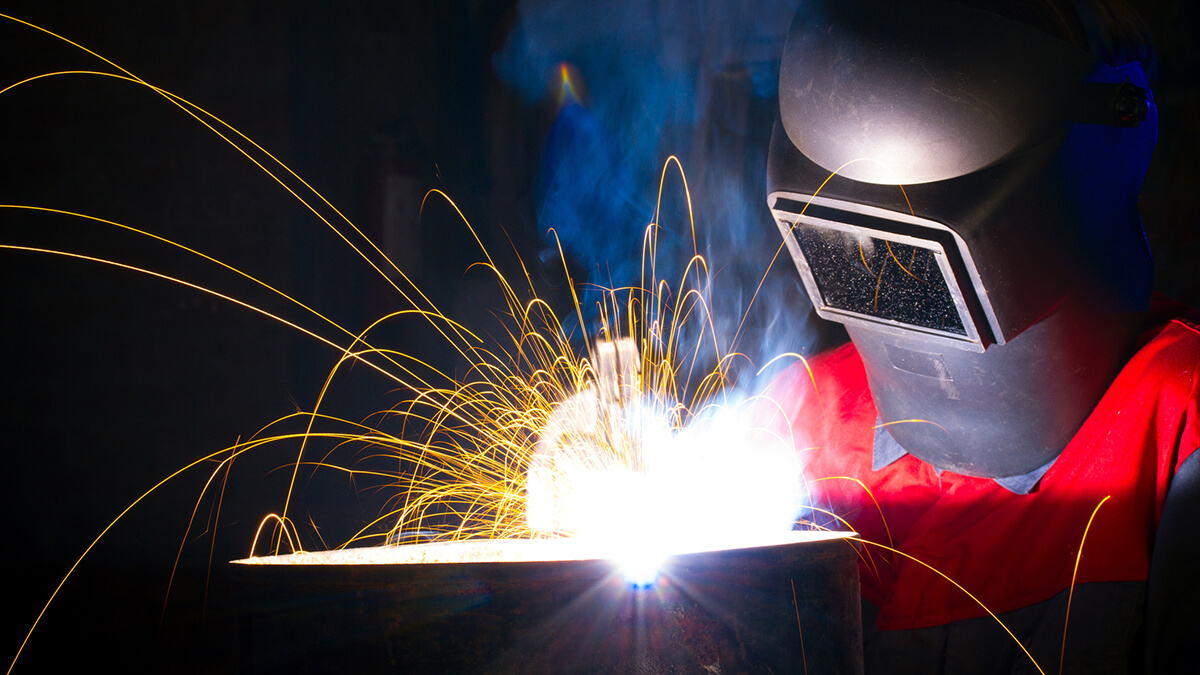
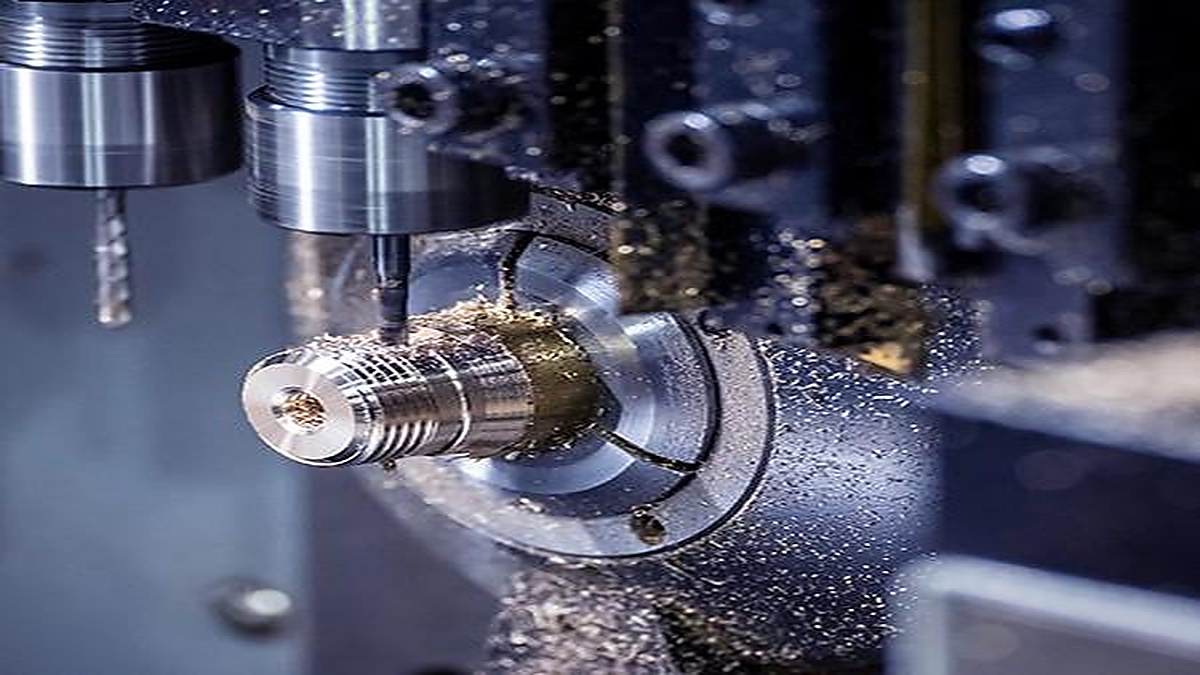
Laser cutting is a technology that uses a laser to slice materials. While typically used for industrial manufacturing applications, it is also starting to be used by schools, small businesses, and hobbyists. Laser cutting works by directing the output of a high-power laser most commonly through optics. The laser optics and CNC (computer numerical control) are used to direct the material or the laser beam generated. The focused laser beam is directed at the material, which then either melts, burns vaporize away, or is blown away by a jet of gas, leaving an edge with a high-quality surface finish.

Why "Laser" Is Used for Cutting?

Lasers are used for many purposes. One way they are used is for cutting metal plates. On mild steel, stainless steel, and aluminum plate, the laser cutting process is highly accurate, yields excellent cut quality has a very small kerf width and small heat affect zone, and makes it possible to cut very intricate shapes and small holes.

Most people already know that the word “LASER” is actually an acronym for Light Amplification by Stimulated Emission of Radiation. But how does light cut through a steel plate?

The laser beam is a column of very high-intensity light, of a single wavelength, or color. In the case of a typical CO2 laser, that wavelength is in the Infra-Red part of the light spectrum, so it is invisible to the human eye. The beam is only about 3/4 of an inch in diameter as it travels from the laser resonator, which creates the beam, through the machine’s beam path. It may be bounced in different directions by a number of mirrors, or “beam benders”, before it is finally focused onto the plate. The focused laser beam goes through the bore of a nozzle right before it hits the plate. Also flowing through that nozzle bore is a compressed gas, such as Oxygen or Nitrogen.

How Does A Laser Cutting Machine Work?

A laser cutting machine performs a cutting process by emitting a beam of high-intensity laser light having a single wavelength or color. As the laser beam travels from the laser resonator through the path of the machine, it may be focused by a special mirror, lens, curved mirror or beam bender onto a working cutting point on the object.

The precise focus of the laser beam is to increase the thermal density to a very high level, and its high power density allows it to be heated quickly to melt and cut. Wherein the laser beam is added with compressed gas, such as oxygen or nitrogen, the laser beam will initially dissolve the material, while the high-pressure gas will melt the molten metal out of the crack, while the CNC laser cutting machine controls the laser cutting head, which is calculated first. The moving path moves, and the distance between the laser head and the object also needs to be accurately calculated, which is the operation of the laser cutting machine.

The advantage of laser cutting technology compared to general mechanical cutting is that the cutting precision is higher, and the cutting process does not need to contact the object, and the pollution of the object can be reduced and the friction consumption of the laser cutting machine itself can be better maintained. Laser cutting technology, on the other hand, has a small heat-affected zone and is therefore capable of precision or more complex cutting requirements. Laser cutting is a stable, reliable, and very accurate cutting process.


Published by Aug 31, 2023 Source: esabna Source: wikipedia Source: esabna

Further reading

You might also be interested in ...

Headline
Knowledge
What is a TPE Yoga Mat? A Professional Guide to Eco-Friendly Performance and Manufacturing Insights
Why TPE Yoga Mats Are Becoming the Preferred Choice in Modern Wellness Manufacturing
Headline
Knowledge
How 5-Axis Tapping Centers Help Reduce Setup Time, Improve Accuracy and Support Flexible Production
Why flexibility, not volume, is becoming the real competitive advantage for automotive, motorcycle and bicycle parts manufacturers.
Headline
Knowledge
Automatic Packaging Line vs. Standalone Packaging Machines: Which Is Better for Your Factory?
A practical guide to choosing the right packaging equipment strategy for your production volume, product mix, and automation goals.
Headline
Knowledge
How to Evaluate Cutting Pliers Quality Before Bulk Purchasing: Common Issues Buyers Should Watch For
A practical quality checklist for importers, wholesalers and industrial buyers reviewing cutting pliers before large orders.
Headline
Knowledge
How to Choose a Shrink Bundler Machine for Bottles, Cans and Tetra Pak Products
A practical guide to selecting shrink bundling equipment for beverage, food and carton packaging lines.
Headline
Knowledge
Knee Mill vs Bed Mill: What’s the Difference and Which One Fits Your Workflow?
Why Choosing Between a Knee Mill and a CNC Bed Mill Matters
Headline
Knowledge
Beyond Part Holding: The Role of TCP Thin Carrier Plate in Advanced Automated Manufacturing
As manufacturing environments become more compact, more precise, and more automated, components that were once treated as secondary are gaining much greater technical importance. Among them, the tcp thin carrier plate has become increasingly relevant in high-density production, especially in processes involving precision transfer, terminal handling, dipping-related applications, and repeated automated movement. For procurement teams, process engineers, and equipment integrators, the decision is no longer just about whether a carrier plate can physically hold a part. The more important question is whether it can maintain stable performance under real production conditions. In high-density manufacturing, even a small variation in flatness, thickness consistency, rigidity, or thermal behavior may lead to process instability, lower yield, or increased equipment interruption. This is why the tcp thin carrier plate is now being assessed more carefully as a process-critical component rather than a simple fixture.
Headline
Knowledge
Biodegradable Straw Making Machines: Key Technologies Driving Sustainable Packaging Production
This article examines how biodegradable straw making machines are supporting the shift toward sustainable packaging production. It covers PLA and paper straw manufacturing technologies, automation trends, production challenges, and key factors manufacturers should consider when selecting biodegradable straw production equipment.
Headline
Knowledge
Choosing Between C-Frame and H-Frame Hydraulic Presses for Metal Stamping
This article provides a comprehensive guide for manufacturers on choosing between C-frame and H-frame hydraulic presses for metal stamping operations. It begins by analyzing the structural differences: C-frame presses are highlighted for their three-sided accessibility and space-saving design, making them ideal for light to medium-duty tasks. In contrast, H-frame presses are recognized for their superior stability and rigidity, making them the preferred choice for high-tonnage, high-precision, and heavy-duty applications. The article features a detailed comparative table evaluating both types based on tonnage capacity, footprint, and cost. It also outlines critical selection factors such as precision requirements and budget constraints. Finally, the guide naturally introduces leading global manufacturers, including Yeh Chiun, Schuler, AIDA, Komatsu, and Beckwood, helping readers make informed investment decisions tailored to their specific production needs.
Headline
Knowledge
What Do Fruit Juice Suppliers Provide? A Practical Guide for Beverage and Food Brands
A practical overview of ingredient formats, supplier services, and sourcing considerations for beverage and food product development.
Headline
Knowledge
Understanding HVLP Technology: How Low Pressure High Volume Saves Paint and Costs
A practical guide to how HVLP spray systems improve coating efficiency, reduce waste, and support better cost control.
Headline
Knowledge
Why Skin and Immune Formulation Matters More Than Coat Appearance in Companion Animal Health
Skin and coat concerns in companion animals often signal a broader formulation challenge rather than a surface-level issue alone. Recurrent dryness, itching, dull coat condition, and visible sensitivity are frequently linked to barrier weakness, immune imbalance, nutrient utilization, and digestive stability. Products positioned only around coat shine or a single trending ingredient may therefore fall short in daily use. More effective formulation usually begins with a broader biological view: skin health is closely shaped by the interaction between barrier function, immune response, microbiota balance, and life-stage needs.
Agree