Smart Production Lines in 2026: How Shibaura, Wittmann, Haitian and Victor Taichung Are Redefining All‑Electric Injection Molding
A comparative look at Industry 4.0 platforms, automation strategies and market positioning across four leading all-electric injection molding machine builders.
Published: Aug 27, 2026
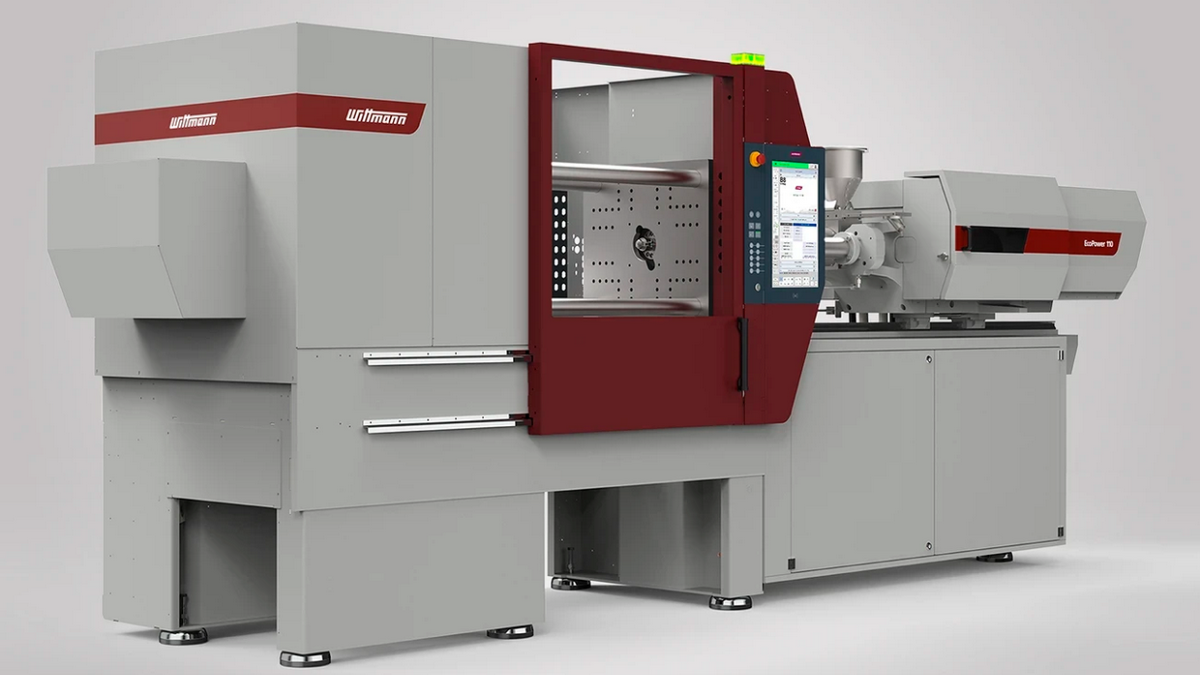
Photo by https://www.wittmann-group.com/en/ecopower-55-550-t
- Why All‑Electric Machines Are the Centerpiece of Smart Factories
- Shibaura Machine: System‑Level Integration with machiNetCloud
- Wittmann Battenfeld: Turnkey Automation Ecosystems
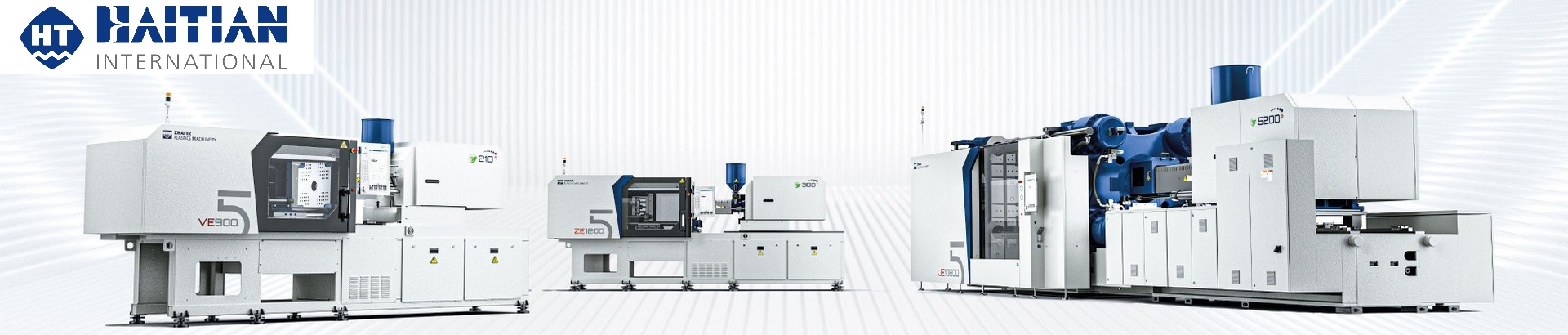
- Haitian International: Scale, Value and Rapid Deployment
- Victor Taichung: OPC‑UA Built‑In and Green Smart Manufacturing
- Comparative View: Four Strategies on One Spectrum
- Why Victor Taichung Belongs in the Global Conversation
- What This Means for Molders Planning 2026–2030 Investments
- Closing Thought
The shift toward all‑electric injection molding is no longer just about energy savings. In 2026, the real battleground is smart production line integration: how machine builders connect controllers, robots, peripherals and enterprise systems into a cohesive, data‑driven manufacturing ecosystem. This article compares four major players—Shibaura Machine, Wittmann Battenfeld, Haitian International and Victor Taichung—on their Industry 4.0 technologies and market strategies, and explains why the inclusion of Victor Taichung adds an important perspective to the global conversation.
Why All‑Electric Machines Are the Centerpiece of Smart Factories
All‑electric injection molding machines (IMMs) offer inherent advantages for digital manufacturing: precise servo control, repeatable process windows, and rich telemetry from drives and controllers. These characteristics make them ideal platforms for IoT, AI‑assisted optimization, and closed‑loop quality control. As energy costs rise and carbon regulations tighten, manufacturers are not only replacing hydraulic machines with electric ones—they are using the transition as an opportunity to redesign entire production lines around data and automation.
Shibaura Machine: System‑Level Integration with machiNetCloud
Shibaura positions its EC‑SX all‑electric platforms as high‑speed, high‑precision workhorses for automotive and electronics manufacturing, claiming up to 50% energy reduction compared to legacy hydraulic systems. The company's smart manufacturing strategy centers on machiNetCloud, an IIoT platform that connects electric and hydraulic machines along with peripherals to provide real‑time monitoring, energy tracking, and performance analytics.
Key elements of Shibaura's approach include:
- Predictive analytics to reduce unplanned downtime and optimize cycle times.
- Energy visibility at the machine and line level, supporting sustainability reporting and TCO reduction.
- Technical centers and open houses (e.g., India 2025) that showcase system‑level integration and digital services alongside hardware.
Shibaura's market narrative emphasizes "smart injection molding for automotive manufacturing," where speed, precision and data‑driven optimization are critical.
Wittmann Battenfeld: Turnkey Automation Ecosystems
Wittmann Battenfeld takes a different route: rather than selling machines plus add‑on software, it offers an integrated automation ecosystem. Its EcoPower and EcoPrimus all‑electric machines are marketed as fully Industry 4.0‑compatible and capable of processing advanced materials such as PCR and bioplastics.
Wittmann's differentiation lies in:
- WITTMANN 4.0 and "Plug & Produce" concepts that tightly couple machines, robots and peripherals from a single vendor, reducing integration risk.
- Machine‑to‑machine synergy that enables real‑time quality monitoring and seamless changeover in high‑automation environments.
- Turnkey manufacturing cells where automation is effectively a default, allowing customers to double throughput in some documented cases.
This strategy is particularly attractive to medical device manufacturers and other high‑mix, high‑quality producers who value stability and reduced system complexity over lowest upfront cost.
Haitian International: Scale, Value and Rapid Deployment
Haitian's MARS and JUPITER series (including next‑gen MARS5 and JUPITER5 platforms) cover a wide tonnage range and are positioned as cost‑effective solutions for mass production and capacity expansion. The company pairs these machines with its V‑Series top‑entry robots and Ethernet‑based integration, enabling features such as:
- Mold‑number‑linked program switching and ejector follow functions for faster changeovers.
- Straightforward MES connectivity to support production data visibility and basic Industry 4.0 use cases.
Haitian's market strategy leans on:
- Global scale and localization, including new production facilities (e.g., Mexico) to serve North American customers with shorter lead times.
- Value‑driven positioning, making all‑electric and hybrid technologies accessible to a broader set of molders.
For manufacturers focused on rapid capacity ramp‑up or large‑scale replacement of aging hydraulic presses, Haitian's combination of tonnage coverage, price point and delivery speed is a compelling proposition.
Victor Taichung: OPC‑UA Built‑In and Green Smart Manufacturing
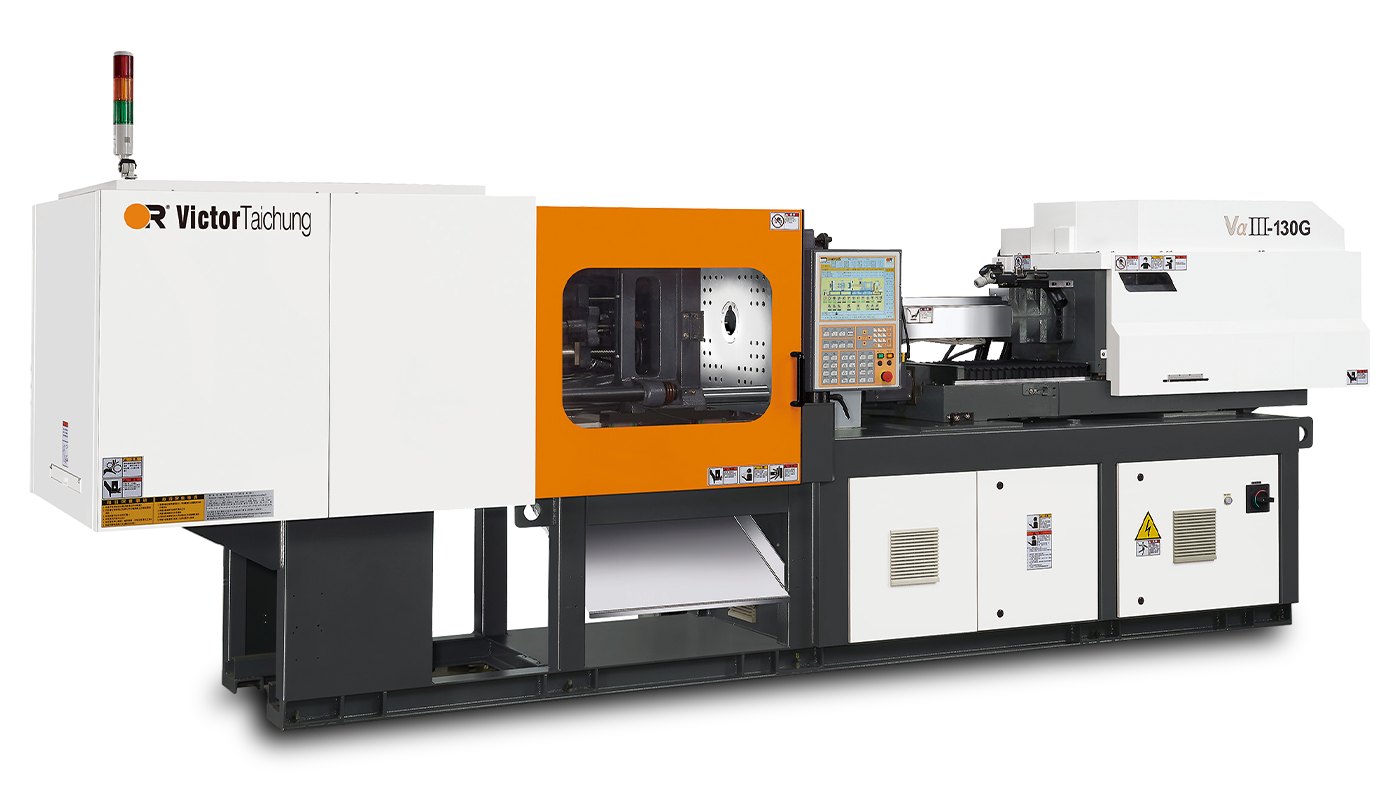
Victor Taichung, a Taiwan‑based machine builder, has explicitly aligned its latest all‑electric injection molding machines with "green intelligent manufacturing." Its approach stands out in three ways:
- OPC‑UA as a standard interface in the machine controller, enabling vendor‑neutral data exchange with MES, ERP and cloud platforms.
- Peripheral integration via the main controller, with standardized connectivity to a central host for coordinated automation and data utilization.
- Application focus on precision optics, electronics, networking/home appliances, medical and transportation sectors, where tight tolerances and traceability are critical.
Victor Taichung's narrative complements the other three players by emphasizing open standards (OPC‑UA) and sustainability solutions such as recycled material processing and energy‑saving barrel technologies. In a market where some vendors push proprietary ecosystems and others focus on scale, Victor Taichung offers a middle path: smart, open and green.
Comparative View: Four Strategies on One Spectrum
| Dimension | Shibaura Machine | Wittmann Battenfeld | Haitian International | Victor Taichung |
|---|---|---|---|---|
| All‑electric platforms | EC‑SX series (high speed, high precision, ~50% energy saving claimed) | EcoPower / EcoPrimus (fully Industry 4.0‑compatible, PCR/bioplastic ready) | MARS / JUPITER (incl. MARS5, JUPITER5), wide tonnage range | New‑generation all‑electric machines (green intelligent manufacturing) |
| IIoT / smart platform | machiNetCloud (real‑time monitoring, energy tracking, performance analytics) | WITTMANN 4.0 + automation ecosystem (Plug & Produce, machine‑machine synergy) | V‑Series robots + Ethernet integration (mold‑linked program switching, ejector follow) | OPC‑UA built into controller; peripheral integration + central host networking |
| Automation strategy | Data‑driven OEE optimization, system‑level integration and energy visibility | Automation as default; turnkey cells with reduced integration risk | Value and speed: rapid deployment, large tonnage coverage | Green + smart manufacturing bundles; recycled material and energy‑saving barrel tech |
| Focus applications | Automotive, electronics, custom manufacturing | Medical, high‑automation mass production | General purpose, North America localization | Precision optics, electronics, networking, medical, transportation |
This table illustrates that the four vendors occupy different positions on a spectrum from proprietary, tightly integrated ecosystems (Wittmann) to open, standards‑based connectivity (Victor Taichung), with Shibaura emphasizing system‑level analytics and Haitian focusing on scale and value.
Why Victor Taichung Belongs in the Global Conversation
Including Victor Taichung in a global comparison of all‑electric IMM builders is valuable for several reasons:
- Open standards as a differentiator. OPC‑UA support positions Victor Taichung as a natural fit for factories that already use multi‑vendor automation or plan to integrate with existing MES/ERP landscapes.
- Asia‑centric precision applications. Its emphasis on precision optics, electronics and medical devices adds depth to the application coverage beyond automotive and general packaging.
- Green manufacturing narrative. By highlighting recycled materials and energy‑saving technologies alongside smart connectivity, Victor Taichung aligns with the broader sustainability trends driving all‑electric adoption.
For readers evaluating smart production lines in 2026, Victor Taichung provides a useful reference point for what "open, green and smart" looks like in practice, especially for Asian supply chains and precision‑focused industries.
What This Means for Molders Planning 2026–2030 Investments
For injection molders planning capital investments over the next three to five years, the key takeaway is that machine selection is increasingly a decision about ecosystem fit, not just tonnage and price. Questions to consider include:
- Do you prefer a single‑vendor turnkey cell (Wittmann) or a best‑of‑breed, multi‑vendor line where OPC‑UA and open interfaces matter more (Victor Taichung, Shibaura)?
- Is your priority rapid capacity expansion with proven, cost‑effective platforms (Haitian), or deep process optimization with advanced analytics and energy tracking (Shibaura, Wittmann)?
- How important are sustainability credentials—energy efficiency, recycled material processing and carbon reporting—in your customer contracts and regulatory environment?
The answer will differ by region, industry and existing IT/OT landscape, but the direction is clear: all‑electric machines are becoming the digital backbone of smart, sustainable production lines.
Closing Thought
The 2026 landscape for all‑electric injection molding is defined less by raw clamping force and more by how well a machine builder can integrate its hardware into a coherent, data‑rich production system. Shibaura, Wittmann, Haitian and Victor Taichung each offer a distinct path—analytics‑led, ecosystem‑led, scale‑led and standards‑led, respectively. For molders willing to think in terms of production lines rather than individual presses, these four strategies provide a useful menu for designing the smart factories of the late 2020s.
Published by Aug 27, 2026
References
- Shibaura Machine at IMTS 2026 – machiNetCloud and smart manufacturing showcase [18]
- Key Companies in Plastic Injection Molding Press – Industry 4.0 integration insights [20]
- Haitian V Series Robots – Ethernet integration and smart solutions [21]
- Shibaura Machine India Open House 2025 – Technical center and system integration [24]
- WITTMANN Group – TML customer case and automation ecosystem [37]
- WITTMANN EcoPrimus – Industry 4.0‑compatible all‑electric machine [43]
- Victor Taichung Injection Molding – Green intelligent manufacturing and OPC‑UA [44]



(3796)(20260924)(原).jpg)
(4005)(20260924)(原).jpg)