A practical quality checklist for importers, wholesalers and industrial buyers reviewing cutting pliers before large orders.
Cutting pliers look simple, but for distributors, wholesalers, repair-kit suppliers, and industrial buyers, they can become a surprisingly complex purchasing decision. A cutting plier that feels acceptable in a sample may still fail after repeated use, lose edge sharpness quickly, develop loose joints, or disappoint end users because the handle design is uncomfortable. When buying in bulk, small quality issues can turn into returns, complaints, and inventory that is difficult to sell.
Evaluating cutting pliers before placing a large order should therefore go beyond checking appearance and price. Buyers need to consider material, heat treatment, cutting performance, joint stability, ergonomics, packaging, and supplier consistency. The goal is not always to buy the most expensive tool, but to identify whether the product is appropriate for its intended market and workload.
Why Cutting Plier Quality Varies
The quality of cutting pliers depends heavily on how well several manufacturing steps are controlled. Steel selection affects toughness and wear resistance. Forging and machining influence shape accuracy. Heat treatment determines whether the cutting edge is hard enough to retain sharpness without becoming brittle. Surface finishing affects corrosion resistance and visual appeal. Handle molding affects comfort and insulation claims, if any.
A common mistake in bulk purchasing is judging only by unit price and product photos. Two pliers may look similar, but one may use better steel, more stable joint assembly, or more consistent heat treatment. These differences often appear only after cutting tests, fatigue use, or inspection across multiple samples.
International standards can help buyers define expectations. For example, ISO standards related to pliers and nippers describe dimensions and test values for certain tool types, while hardness standards such as ASTM E18 provide recognized methods for Rockwell hardness testing of metallic materials. Buyers do not necessarily need to test every shipment in a laboratory, but they should understand which measurable factors matter.
Key Quality Factors to Inspect Before Bulk Ordering
The first factor is cutting-edge performance. A good cutting plier should cut the specified material cleanly without crushing, slipping, or leaving excessive burrs. Buyers should test the tool on the same wire or material their customers are likely to use. For example, cutting soft copper wire is very different from cutting harder steel wire. A tool that is not designed for hardened wire should not be evaluated as if it were.
Edge condition after testing is equally important. Look for denting, chipping, rolling, or visible deformation after repeated cuts. Slight marking may be normal depending on the material, but obvious damage after a small number of cuts suggests problems in steel quality, edge geometry, or heat treatment.
The second factor is joint stability. Cutting pliers require aligned jaws and a smooth pivot. If the joint is too tight, users must apply unnecessary force. If it is too loose, the jaws may shift during cutting, reducing accuracy and increasing wear. Open and close each sample repeatedly. The movement should feel smooth, without grinding, wobbling, or sudden resistance.
The third factor is jaw alignment. When the handles are closed, the cutting edges should meet evenly. Poor alignment may cause partial cuts, uneven wear, or user frustration. In lower-quality batches, some units may align well while others do not, which is why buyers should inspect several random samples rather than relying on a single “golden sample.”
The fourth factor is handle quality. Handles should be secure, comfortable, and suitable for the intended use. For general-purpose pliers, anti-slip texture and reasonable grip span matter. For electrical applications, buyers must be especially careful: insulated handles should not be marketed as safety-rated unless they meet the relevant standards and have proper documentation. Colorful plastic grips alone do not prove electrical protection.
The fifth factor is surface finish. Rust, uneven coating, sharp burrs, stains, or peeling finishes may indicate poor process control. A perfect mirror finish is not always necessary, especially for industrial-grade tools, but the finish should be consistent and appropriate for the product grade.
| Quality area |
Common issue |
What buyers should check |
| Cutting edge |
Chips, dents, fast dulling |
Repeated cutting test on specified wire |
| Pivot joint |
Too loose or too tight |
Smooth opening, no wobble, no grinding |
| Jaw alignment |
Uneven contact |
Full closure and clean cut across samples |
| Handles |
Slipping, poor molding, loose grips |
Comfort, grip span, pull resistance |
| Finish |
Rust, burrs, peeling coating |
Visual inspection and corrosion expectations |
| Batch consistency |
One good sample, mixed shipment |
Random sampling from multiple cartons |
Common Problems Buyers Often Miss
One overlooked issue is inconsistent hardness. If the cutting edge is too soft, it dulls quickly. If it is too hard without enough toughness, it may chip. Because heat treatment is not visible, buyers should ask suppliers for hardness ranges and, for higher-volume purchases, consider third-party testing.
Another issue is inappropriate product positioning. Some cutting pliers are suitable for electronics, cable trimming, or soft wire. Others are built for tougher industrial tasks. Problems occur when buyers choose a light-duty tool but sell it into a heavy-duty application. Clear product classification helps reduce complaints.
Packaging can also affect quality perception. Bulk buyers sometimes focus only on the tool itself, but poor packaging may allow moisture exposure, scratches, or handle deformation during transport. If the products will be sold through retail channels, barcode placement, labeling accuracy, and packaging durability also matter.
Documentation is another practical concern. Buyers should request material information, test reports where applicable, product dimensions, and clear usage limitations. A reliable supplier should be able to explain what the tool is designed to cut and what it is not designed to cut.
Building a Practical Pre-Shipment Inspection Plan
For bulk purchasing, a practical inspection plan should combine sample approval and shipment inspection. During sample approval, test several units for cutting performance, comfort, dimensions, and appearance. Keep approved samples for comparison later.
Before shipment, use random sampling rather than checking only the top layer of cartons. Acceptance sampling methods, such as those described by NIST and ANSI/ASQ resources, are widely used in quality control because they provide a structured middle ground between inspecting every unit and inspecting none. The inspection checklist should include functional tests, visual checks, packaging review, labeling accuracy, and quantity verification.
It is also useful to define defects by severity. A sharp burr on the handle, a cracked grip, or a non-cutting jaw may be considered major. A minor surface mark may be acceptable depending on the product grade. Defining this before production helps avoid disputes.
FAQ
1. What is the most important quality test for cutting pliers?
The most important test is a cutting test using the material the pliers are actually intended to cut. Buyers should check not only whether the tool cuts successfully, but also whether the edge remains undamaged after repeated use.
2. Should buyers always choose the hardest cutting edge?
No. Hardness matters, but excessive hardness can increase brittleness if the steel and heat treatment are not well balanced. A good cutting edge needs both wear resistance and toughness.
3. How many samples should be checked before bulk purchasing?
Checking only one sample is risky. Buyers should evaluate multiple samples from different production lots or cartons where possible. For larger orders, a formal sampling plan is recommended.
4. Are insulated-looking handles safe for electrical work?
Not necessarily. Plastic or rubber handles do not automatically mean the tool is electrically insulated. Buyers should ask for relevant certification and test documentation before marketing any tool for electrical safety use.
5. What causes cutting pliers to become loose after short use?
Loose joints may result from poor rivet setting, weak pivot design, low material strength, or insufficient production control. Repeated opening and cutting tests can reveal this issue before shipment.
6. Is surface rust a serious defect?
It depends on the product grade and severity, but rust on new tools is usually a warning sign. It may indicate poor storage, inadequate coating, or exposure to moisture during shipping.
Conclusion
Evaluating cutting pliers before bulk purchasing requires a balance of technical inspection and practical market judgment. Buyers should look beyond appearance and price, focusing on cutting performance, edge durability, joint stability, handle quality, finish, documentation, and batch consistency. A structured inspection process helps reduce risk and ensures that the selected product matches customer expectations.
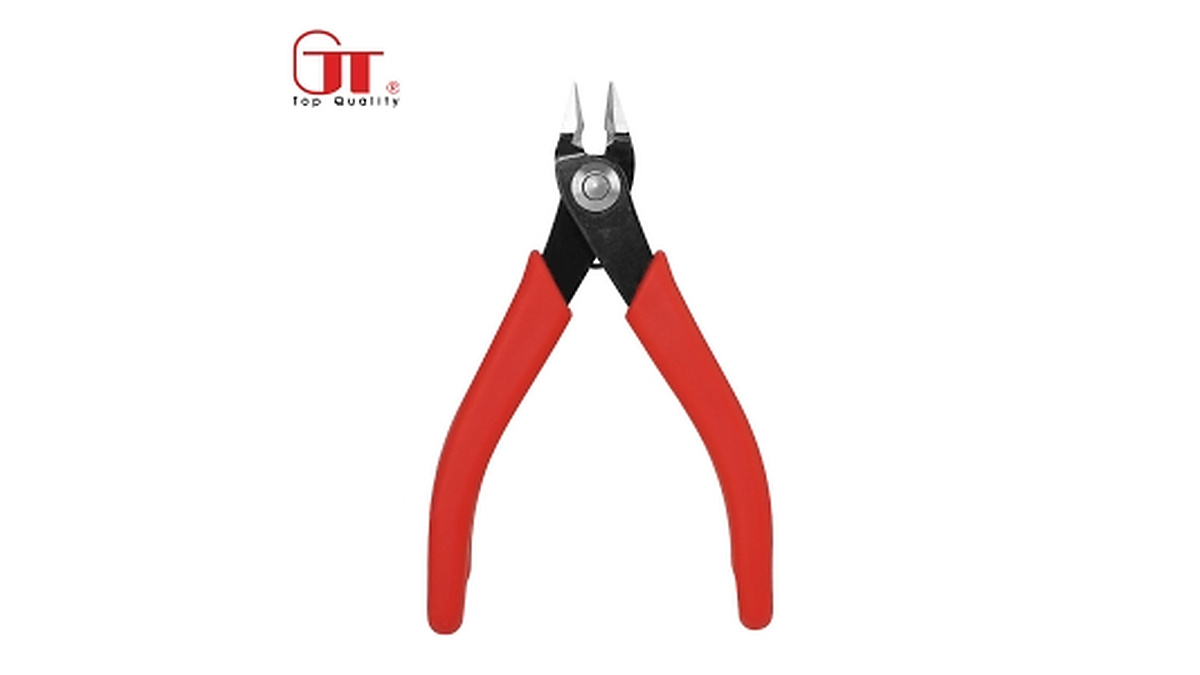
For buyers comparing sourcing options or reviewing cutting pliers for wholesale, industrial, or retail supply, Good Tools offers a relevant product category to explore. Reviewing available models alongside the evaluation points above can help purchasing teams make more informed, specification-driven decisions.

(4059)(20260924)(原).jpg)
(2367)(20260924)(原).jpg)