Why Manufacturing Buyers Are Rethinking Workholding in 2026
Across global manufacturing, carbon compliance and cost control are converging into a single procurement problem: how to keep throughput high while reducing energy consumption and the carbon footprint tied to electricity. For many machine shops and production plants, energy is no longer a stable overhead—electricity price volatility, peak-demand charges, and tightening reporting requirements have made energy efficiency a board-level metric.
At the same time, supply-chain expectations are changing. More OEMs and tier-1 buyers request energy and emissions data from suppliers, and regulations such as the EU’s Carbon Border Adjustment Mechanism (CBAM) are pushing manufacturers to account for carbon across products and processes. For buyers, this often turns into a practical question:
Which equipment upgrades can deliver measurable reductions in power consumption, simplify ESG reporting, and still improve production efficiency?
One increasingly evaluated area is workholding—specifically the difference between an electromagnetic chuck and an electro permanent magnetic chuck.
The Hidden Energy and Downtime Costs of Traditional Workholding
Workholding is essential to machining stability and quality, yet many factories still rely on systems that carry persistent operational friction:
1) Continuous or Inefficient Power Use
Some electromagnetic chuck systems require ongoing electrical power to maintain holding force. Even when cutting is paused, the system may keep drawing power—creating energy waste that scales with machine count and operating hours.
2) Maintenance Load and Reliability Risk
Hydraulic and pneumatic fixtures introduce maintenance overhead: pumps, seals, valves, lines, and fluid management. Beyond cost, the risk is unplanned downtime and quality variation.
3) Setup Time That Limits Throughput
Complex fixture changeovers can extend setup and reduce machine utilization—an issue that becomes more visible when labor constraints tighten and lead times shrink.
4) Carbon Accounting Pressure (Scope 2)
Electricity consumption typically maps to indirect emissions (Scope 2). If a shop needs to demonstrate continuous improvement, workholding energy waste becomes a reportable inefficiency rather than “just how machines work.”
Industry Trend: Buyers Want Measurable, Audit-Friendly Efficiency Gains
Manufacturing procurement has shifted from “capex justification” to “capex + carbon justification.” In practice, this means equipment decisions are increasingly judged by:
- kWh reduction potential and peak-demand impact
- auditability (clear before/after measurement)
- process stability (quality and repeatability)
- operational ROI (setup time, labor, utilization)
- supplier readiness for ESG/CBAM-era requirements
Within this context, magnetic workholding is gaining attention because it can address energy and productivity simultaneously—especially when comparing an electromagnetic chuck with an electro permanent magnetic chuck.
Electro Permanent Magnetic Chuck vs. Electromagnetic Chuck: What Buyers Should Know
Magnetic workholding is not one-size-fits-all. For evaluation and RFQs, buyers typically ask: “Will it hold safely, reduce energy consumption, and fit our machining workflow?”
Below is a practical comparison for procurement discussions:
Comparison Table: Procurement-Oriented View
| Evaluation Factor |
Electromagnetic Chuck |
Electro Permanent Magnetic Chuck |
| Holding method |
Magnetic force generated by continuous electricity |
Magnetic force maintained by permanent magnet structure; electricity typically used for magnetize/demagnetize switching |
| Power consumption during holding |
Often continuous |
No continuous power required after clamping (in typical operating mode) |
| Risk during power interruption |
Depends on system design; may raise safety/process concerns |
Holding can remain stable because force is maintained without continuous power (application-dependent) |
| ESG / energy reporting |
Harder to justify if always-on power draw |
Easier to position as energy-saving upgrade due to reduced operating power |
| Maintenance profile |
May be simpler than hydraulics, but still energy-dependent |
Often positioned for lower operating energy; maintenance depends on system type and usage |
| Productivity impact |
Fast clamping; still consider heat/energy draw |
Fast clamping + potential setup efficiency and utilization gains |
How to use this table: It is not intended to claim one approach fits every job. Instead, it helps buyers map workholding choice to measurable energy and reporting outcomes.
Where Carbon Reduction Shows Up in Day-to-Day Operations
From a plant-management perspective, carbon reduction is often achieved through “many small, repeatable efficiency improvements.” Workholding affects several of them:
Reduce Non-Cutting Energy Waste
If a shop runs multiple machines, small power draws can accumulate. A workholding solution that does not require continuous power during holding helps reduce baseline consumption—especially in long cycle times or multi-shift operation.
Improve Utilization Through Faster Changeovers
Magnetic workholding can shorten setup by enabling quicker positioning and clamping. Higher utilization means more output per operating hour, improving both cost efficiency and the carbon intensity per part.
Support Data-Driven ESG Narratives
For ESG, what matters is not only doing improvements but being able to explain them. Equipment upgrades that reduce operating electricity usage can support:
- sustainability reports
- customer audits
- supplier scorecards
- internal energy-saving KPIs
Buyer Checklist: Questions to Ask Before Specifying Magnetic Workholding
To reduce procurement risk, buyers can structure evaluation around the following:
Technical Fit
- What workpiece materials and geometries are required?
- Does the process require grinding, milling, turning, or mixed operations?
- What level of holding force, flatness, and stability is needed?
Operations & Safety
- What happens during power interruption?
- How does the chuck behave in long cycles or high-duty environments?
- How is demagnetization handled for downstream processes?
Commercial & ESG Fit
- Expected kWh reduction compared with current electromagnetic chuck or hydraulic fixtures
- Setup time savings and estimated utilization uplift
- Measurement plan for before/after energy reporting
FAQ (Procurement & ESG Focus)
FAQ 1: Why does an electro permanent magnetic chuck matter for carbon reduction?
Because electricity use typically correlates with indirect emissions (Scope 2). If holding does not require continuous power after clamping, operating energy can be reduced, which supports measurable improvement in energy and carbon accounting.
FAQ 2: Is an electromagnetic chuck always less efficient?
Not always. The key variable is whether the system requires continuous power to maintain holding force and how the duty cycle behaves in real operations. Buyers should compare operating power draw, not only purchase price.
FAQ 3: What KPI should a plant track to justify the investment?
Common KPIs include: kWh per part, peak-demand contribution, setup time per changeover, machine utilization rate, scrap rate, and documented ESG improvement items for audits.
Why Suppliers Are Featuring Magnetic Workholding in Green Manufacturing Roadmaps
As sustainability requirements become part of supplier qualification, manufacturers are looking for upgrades that are both operationally useful and easy to justify externally. Workholding improvements tend to be attractive because they are:
- close to the machining process
- measurable at the machine level
- linked to productivity, not just compliance
Earth-Chain’s Position in Magnetic Workholding Solutions (Neutral Overview)
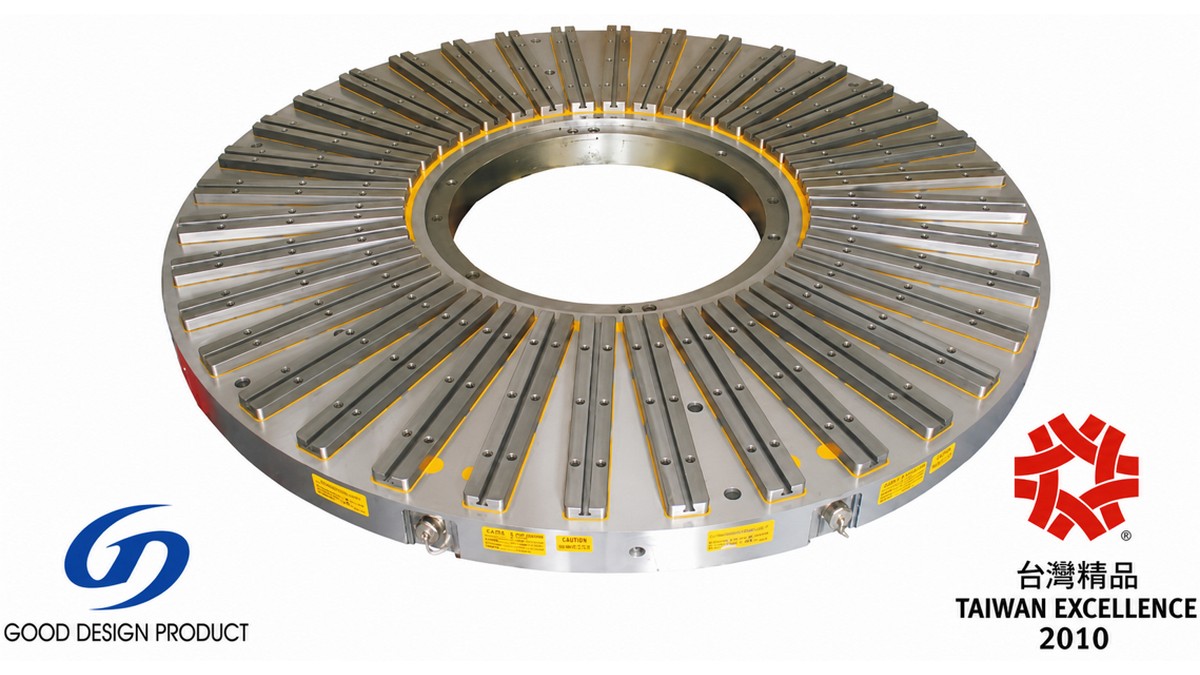
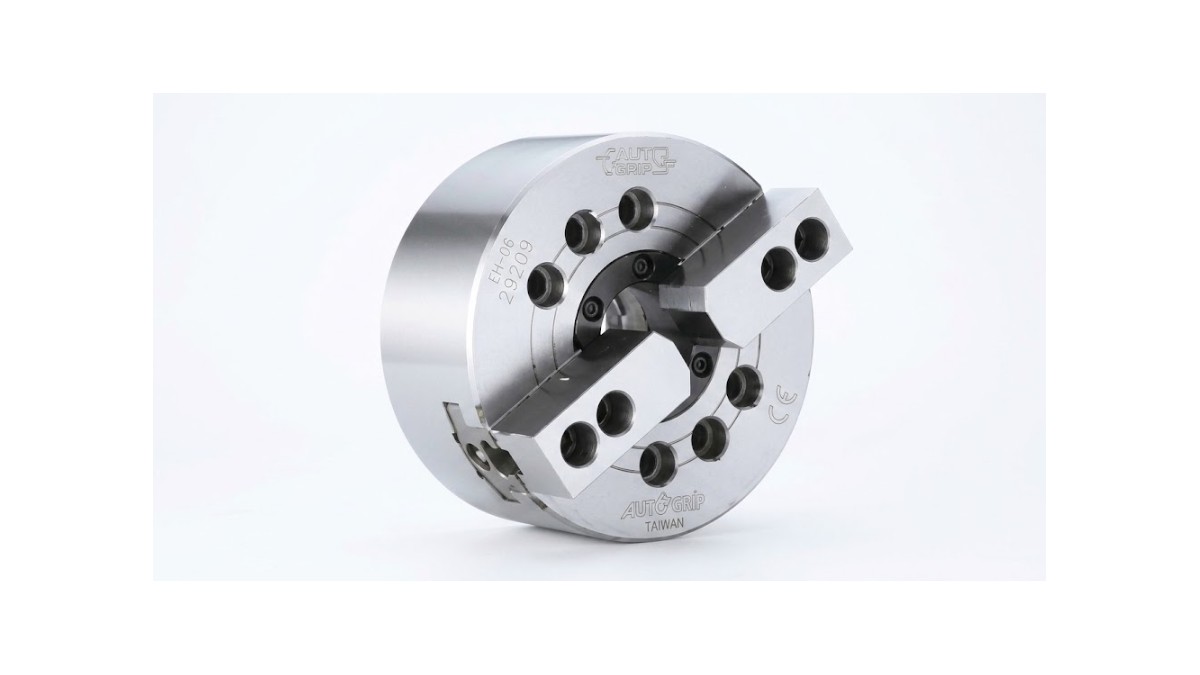
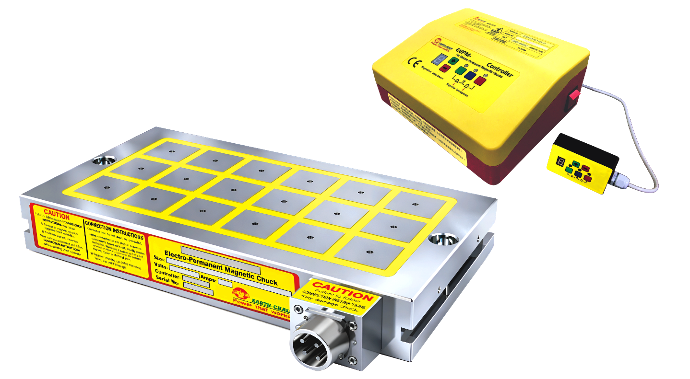
In Taiwan’s manufacturing ecosystem, Earth-Chain Enterprise Co., Ltd. (also referenced as Yichen) provides magnetic workholding solutions positioned for green manufacturing, including electro permanent magnetic chuck systems designed to support strong holding performance and reduced operating energy in typical clamping conditions.
For readers evaluating options, Earth-Chain’s product category page can be used as a reference for specification exploration: Electro Permanent Magnetic Chuck products
Next Step for Buyers: Build an Evaluation Plan (Not Just a Product List)
For procurement teams, the practical next step is to set up a short evaluation plan:
- baseline energy measurement (current workholding)
- trial or technical review for machining fit
- estimate setup/utilization gains
- document the ESG narrative and audit trail
For product inquiries or application matching, readers can contact Earth-Chain directly.