From Factory Precision to On-Site Efficiency: The Impact of Patented Screws on Modular Assembly
Modular construction is increasingly shaping the global building industry by offering faster project delivery, consistent quality, and reduced environmental impact. Central to these efficiencies are patented construction screws, which enable precise assembly, structural reliability, and improved sustainability outcomes. These screws are engineered to meet the challenges of modern modular building, including labor shortages, tight schedules, and sustainability requirements, without being tied to any specific brand.
Modular Manufacturing and Precision Advantages
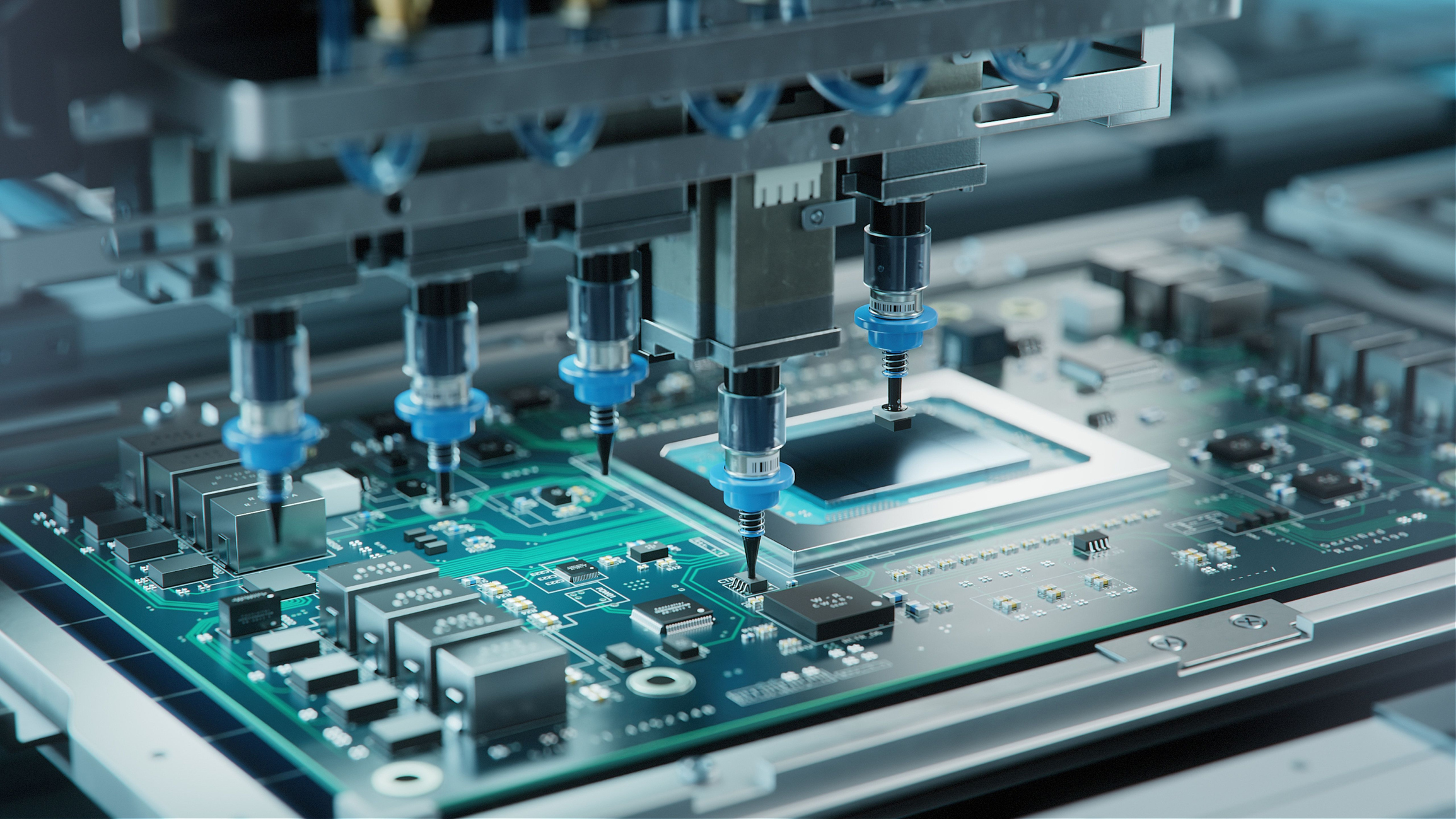
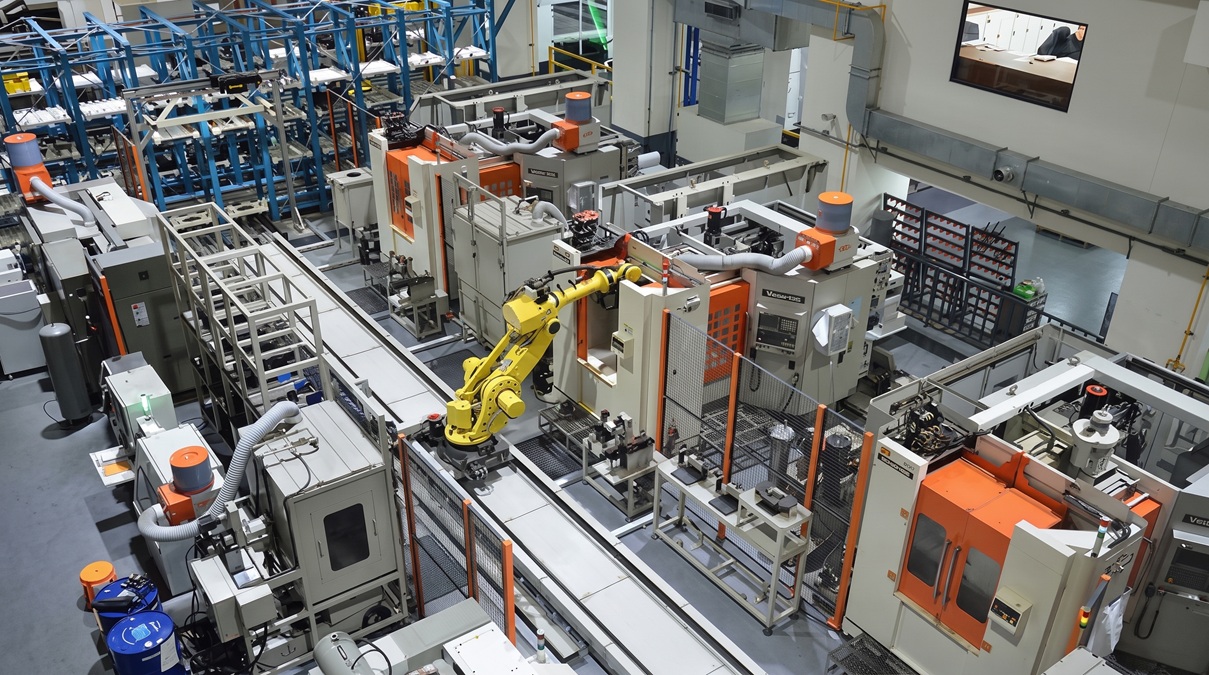
Prefabrication of building components in controlled factory environments allows for high precision and consistent quality, while standardizing workflows and quality checks before modules reach the site. This factory-based approach ensures each component meets design specifications, which in turn streamlines on-site assembly and reduces the need for corrective work, highlighting the efficiency of the modular manufacturing process. According to Module-T, modular projects completed with these methods can reduce schedules by up to 50% and cut costs by approximately 20%.
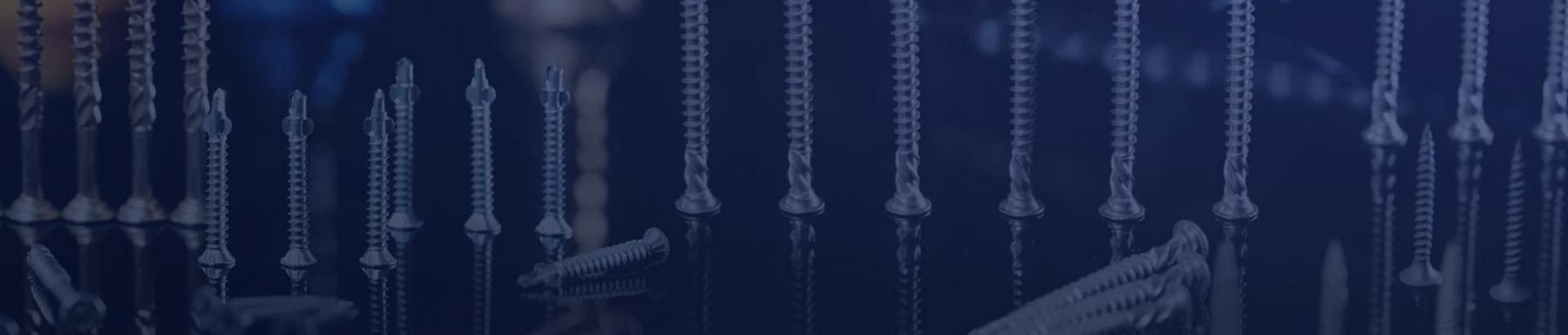
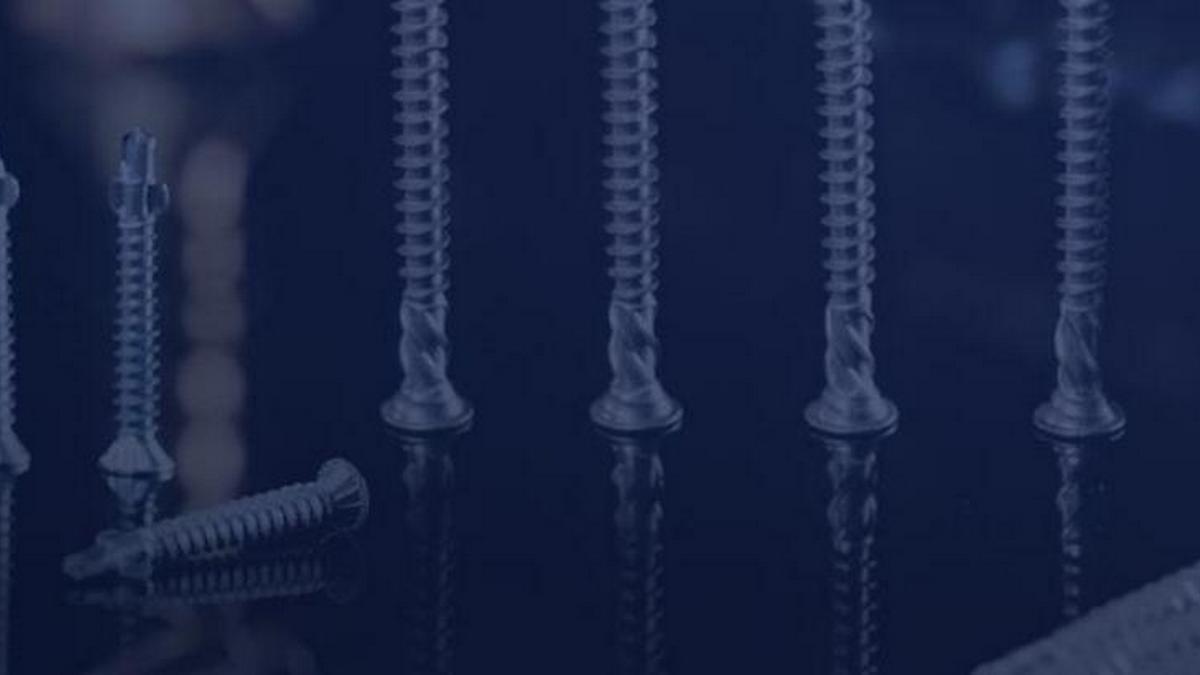
The role of patented screws is crucial in this context. With features like self-drilling tips, optimized threads, and corrosion-resistant coatings, these fasteners ensure modules align accurately without pre-drilling or excessive manual adjustment. This not only enhances build quality but also reduces material waste and labor requirements, supporting both operational efficiency and sustainable construction practices.
Sustainability and Environmental Considerations
Modular construction inherently reduces on-site disruption, dust, and construction waste. When combined with eco-friendly patented screws, projects can achieve additional sustainability advantages. Many screws are produced from recyclable materials and feature coatings that increase their lifespan, lowering replacement frequency and minimizing material waste. Controlled factory environments further enable efficient resource management, reduced energy consumption, and lower emissions, supporting global sustainability objectives (Modular Building Institute).
By integrating these fasteners into modular workflows, construction teams can achieve both precision and environmental responsibility, meeting modern industry standards without compromising performance.
Key Features of Patented Screws
Modern construction screws incorporate innovations that allow modular projects to be built faster, more accurately, and sustainably:
| Feature |
Benefit for Modular Construction |
| Self-drilling tip |
Allows direct installation into materials without pre-drilling, reducing assembly time and errors |
| Optimized thread |
Provides strong holding power, ensuring structural stability even under dynamic loads |
| Corrosion-resistant coating |
Extends lifespan of fasteners, decreasing replacement frequency and supporting sustainability |
| High ductility |
Adapts to diverse materials without causing cracking or deformation |
The combination of self-drilling tips, optimized threads, corrosion-resistant coatings, and high ductility represents the forefront of screw innovation. When integrated with automated driving systems and modular workflows, these features collectively reduce rework, minimize alignment errors, and support precise assembly, illustrating the ongoing trend toward faster, safer, and more sustainable construction practices. This clearly demonstrates the value of patented screws in modern modular projects.
By understanding these core features, it becomes clear how patented screws not only improve current construction processes but also pave the way for future innovations in modular building efficiency, labor optimization, and environmental responsibility.
Emerging Trends in Screw Technology
The evolution of patented screws points to several emerging trends that are shaping the future of modular construction:
- Integration with smart technologies: Screws embedded with sensors can monitor structural health in real-time, providing valuable data for maintenance and safety.
- Automation compatibility: Screws designed for automated or semi-automated driving systems not only reduce dependence on skilled labor but also directly shorten installation time, allowing construction teams to assemble modules faster, more accurately, and with fewer on-site personnel. This demonstrates how patented screws enhance both speed and efficiency in fast-build modular projects.
- Advanced materials: High-strength alloys and corrosion-resistant coatings improve durability and allow screws to perform reliably under harsh environmental conditions.
- Global adoption of modular construction: Cities worldwide are increasingly embracing modular building for rapid development, sustainability, and labor efficiency.
- Nanotechnology coatings: Innovative surface treatments enhance corrosion resistance, strength, and long-term performance.
These trends indicate a future where modular construction becomes faster, safer, and more precise, while also supporting sustainability goals.
Global Construction Screw Manufacturers Driving Innovation
Several companies worldwide are advancing the development of construction screws for modular and fast-build projects. The following five manufacturers are noteworthy for their global impact and technological innovations:
| Manufacturer |
Key Contributions |
| Fong Prean Industrial Co., Ltd.(Taiwan) |
Supplies high-performance patented screws optimized for modular construction, focusing on precision, durability, and international compliance. |
| Jau Yeou Industry Co., Ltd. (Taiwan) |
Offers a wide range of construction screws for modular and commercial projects, with a focus on quality, fast assembly, and innovative screw designs. |
| SPAX International (Germany) |
Known for self-drilling screws with innovative thread designs suitable for prefabricated and modular buildings. |
| Fastenal (USA) |
Offers high-grade fasteners and custom screw solutions for commercial and industrial construction projects. |
| Heco-Schrauben (Germany) |
Specializes in corrosion-resistant screws for timber and modular construction, supporting long-term durability in various climates. |
These manufacturers illustrate the global trend toward fast, reliable, and sustainable fastening solutions. While each company has its own focus and design philosophy, their contributions collectively advance the adoption of modular construction and fast-build techniques.
Optimizing Labor and Project Timelines with Patented Screws
Patented construction screws play a crucial role in enhancing the precision, efficiency, and sustainability of modern modular construction. By enabling faster assembly, ensuring strong and reliable connections, and reducing material waste, these fasteners help construction teams meet tight project deadlines while maintaining high-quality standards. Their innovative designs—such as self-drilling tips, optimized threads, and corrosion-resistant coatings—support both labor efficiency and long-term structural performance.
As modular construction continues to grow globally, the adoption of advanced screw technologies contributes to more streamlined workflows, lower labor requirements, and environmentally responsible building practices. Overall, these fasteners are essential enablers of modern construction methods that prioritize speed, safety, and sustainability.