As the event and stage engineering industry faces increasing demands for speed, safety, and sustainability, temporary structures must evolve beyond traditional construction methods. Modular scaffolding has become a core infrastructure solution, redefining how large-scale events are built, managed, and optimized.
The Shift Toward Smarter Event Infrastructure
In recent years, the global event industry has faced increasing pressure to optimize cost, reduce environmental impact, and meet tight operational timelines. As venues expand and events grow in scale, the reliance on temporary stage structures built with modular scaffolding has become the industry standard.
Rather than viewing scaffolding as a secondary element, engineers now consider it a critical infrastructure component that determines the speed, safety, and sustainability of the entire event setup.
Efficiency Through Modular Design
Traditional tube-and-clamp systems are gradually being replaced by ringlock and cuplock configurations, which allow faster, tool-free assembly. Each modular connection point is precision-engineered, ensuring consistent geometry and alignment across platforms.
This innovation results in:
- Reduced labor requirements during setup and dismantling
- Optimized transportation logistics, as components are stackable and lightweight
- Enhanced project efficiency, enabling faster venue turnover between events
For large event contractors, this directly translates into lower operational costs and higher productivity without compromising structural integrity.
Safety and Compliance in Temporary Stage Structures
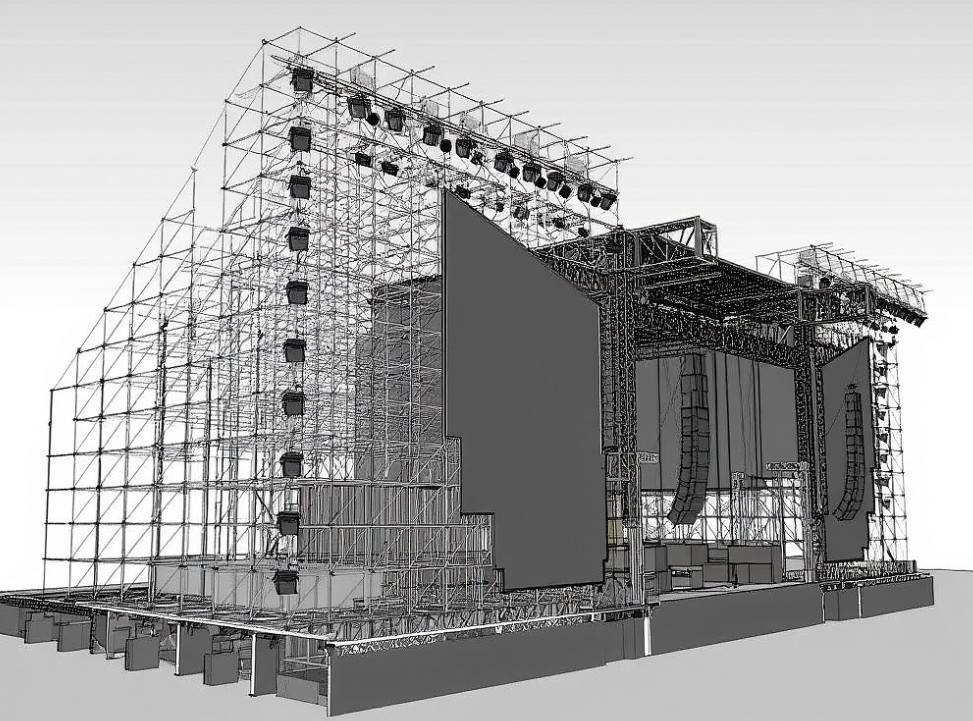
Safety remains the foremost consideration in event construction. Modern scaffolding systems are now designed and tested according to international standards (EN12810 / EN12811) to ensure structural reliability under live loads, vibration, and environmental stress.
Load-bearing decks, reinforced joints, and corrosion-resistant finishes further enhance long-term durability, especially for outdoor venues exposed to rain, humidity, or wind.
With safety certification built into the system design, engineers can focus on optimizing layout and performance rather than risk mitigation.
Sustainability and Reusability in Event Construction
Sustainability is no longer optional — it is an operational necessity. Modular scaffolding systems, by nature, are reusable, reconfigurable, and recyclable, significantly reducing waste across multiple project cycles.
Instead of fabricating new structures for each event, contractors can reassemble existing components into different configurations — from concert stage platforms to exhibition booths — minimizing material consumption and storage costs.
The result is a circular-use model that aligns with modern ESG (Environmental, Social, and Governance) principles in the construction and events industry.
Applications Across the Event Spectrum
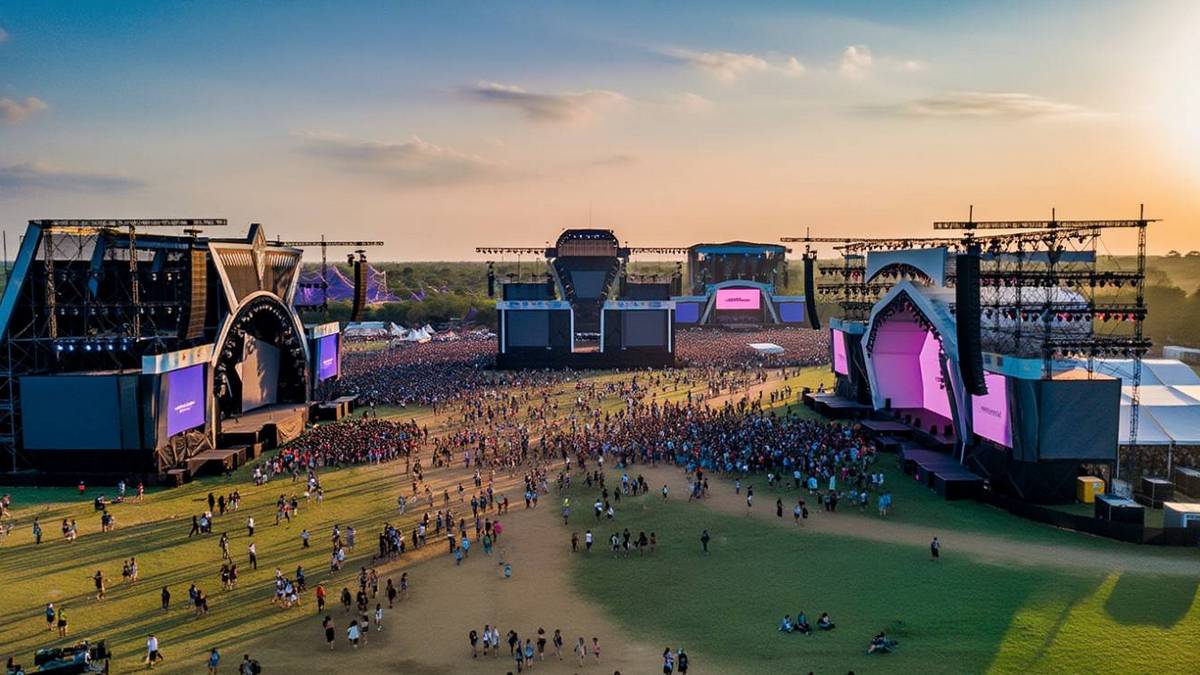
- Concerts and Festivals: Robust load capacity for lighting and sound equipment.
- Trade Shows: Aesthetic modular setups with clean visual integration.
- Sporting Events: Temporary audience stands and camera platforms designed for rapid deployment.
Each scenario underscores the growing importance of flexible, safe, and sustainable scaffolding systems in maintaining event efficiency.
Conclusion and Industry Reference
The rise of modular scaffolding marks a pivotal moment for the event engineering sector. By combining speed, safety, and sustainability, these systems are redefining how large-scale temporary structures are designed and executed.
Among the suppliers advancing this technology, SUCOOT CO., LTD. stands out for its proven engineering solutions and adherence to international standards. With extensive experience in global event and construction projects, SUCOOT offers high-performance staging scaffolding systems trusted by contractors and distributors worldwide.




(3796)(20260924)(原).jpg)
(4005)(20260924)(原).jpg)