How OEM/ODM Expertise, User-Centered Design, and Flexible Sheet Metal Manufacturing Help Automotive Brands Develop Scalable Tool Storage Solutions
The automotive aftermarket is changing quickly. Workshops are handling a wider range of tools and equipment, distributors are looking for product lines that stand out, and brands must respond to different storage needs across markets. In this environment, a tool trolley or metal cabinet is no longer only a place to keep tools. It is a product that must balance usability, durability, production efficiency, and market fit.
These requirements are placing greater attention on the manufacturing partner behind the product. For companies developing professional tool storage, the ability to move from an initial concept to a stable, scalable production program can be just as important as the design itself.
AAPEX brings product needs and manufacturing capabilities together
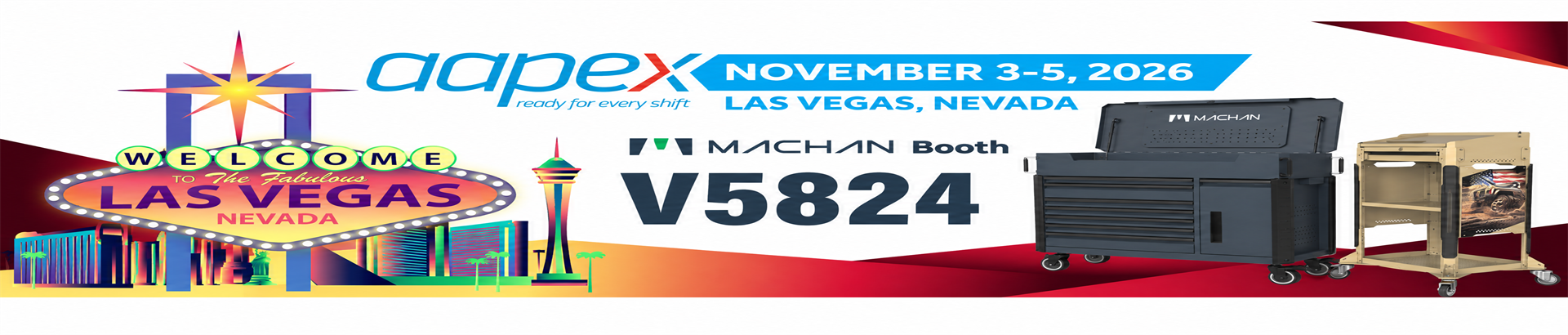
AAPEX 2026 will take place from November 3–5 in Las Vegas at the Venetian Expo and Caesars Forum. The event brings together suppliers, distributors, retailers, and other professionals from the global automotive aftermarket. According to the official AAPEX website, the show includes more than 45,000 attendees, over 2,500 manufacturers and suppliers, and more than 1,400 product categories.
For buyers and product developers, this makes AAPEX more than a product showcase. It is an opportunity to compare solutions, discuss application requirements directly with suppliers, and identify partners that can support future product development. The Auto Care Association also highlights hands-on training, one-on-one discussions, product comparison, and trend discovery as key reasons industry professionals return to the event.
Tool storage is a good example of where these conversations matter. A distributor may need a compact trolley for smaller workshops, while a professional service network may require a broader cabinet system with a different configuration, finish, or accessory package. The right manufacturing partner must be able to understand these differences and translate them into practical product decisions.
From a product idea to a manufacturing-ready solution
Developing a tool-storage product involves more than selecting sheet metal and assembling a cabinet. The process may include product planning, structural design, layout of drawers and compartments, prototype evaluation, production engineering, and quality control. Decisions made at the early design stage can influence user experience, material utilization, assembly time, packaging, and the ability to adapt the product for different markets.
An integrated OEM/ODM approach can help connect these decisions. Instead of separating design, prototyping, and manufacturing across unrelated suppliers, companies can work with one partner throughout the development cycle. This can make communication more direct and help identify production constraints before they become costly changes.
The approach is especially useful when a company wants to develop a product family rather than a single item. A common structural platform may support several trolley sizes, cabinet configurations, or accessory options. This allows a brand to offer a wider range while maintaining greater consistency in engineering and production.
What automotive repair projects reveal about tool-cart development
Real-world automotive repair projects show why tool-cart development requires more than a standard cabinet design. In one long-term collaboration with a hand-tool manufacturer serving the automotive repair industry, Machan supported the development of a dedicated tool cart for a global automaker’s service network. The project began in 2023 and required improvements in functionality, design, durability, safety, and structural performance.
The development work included optimizing the cart’s height and drawer layout for technicians, redesigning a fixed lid as a hinged dust-proof lid, and redeveloping molds to support more consistent plastic-metal integration. The team used simulation, prototyping, and repeated testing before the final design passed the automaker’s evaluations.
The project also required two regional versions. The North American model was adapted to technician habits and workspace dimensions in the United States and Canada, while the European model reflected different workflow and ergonomic preferences. Adjustments extended from product dimensions to packaging, showing how regional requirements can influence both engineering and production planning.
Cross-industry experience can improve product development
Tool storage products also benefit from ideas developed in other equipment categories. Requirements such as organized access, mobility, load support, user safety, and efficient use of space appear in many types of industrial and professional equipment.
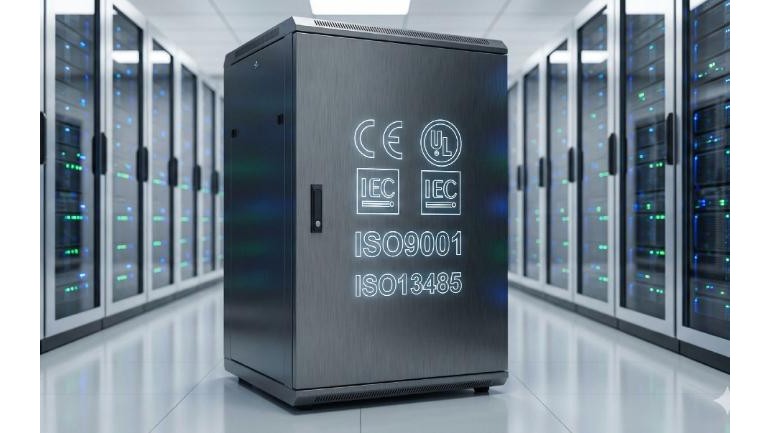
A manufacturing partner with experience beyond tool storage may therefore bring useful perspectives to the design process. Insights from medical equipment, charging storage carts, and server rack enclosures can contribute to discussions about cabinet structure, internal organization, functional integration, and the relationship between the product and its working environment.
This does not mean that one design can simply be copied from another application. Each market has its own technical and user requirements. The value comes from applying relevant engineering experience to a new product problem while keeping the final solution focused on its intended users.
Designing for premium repair environments
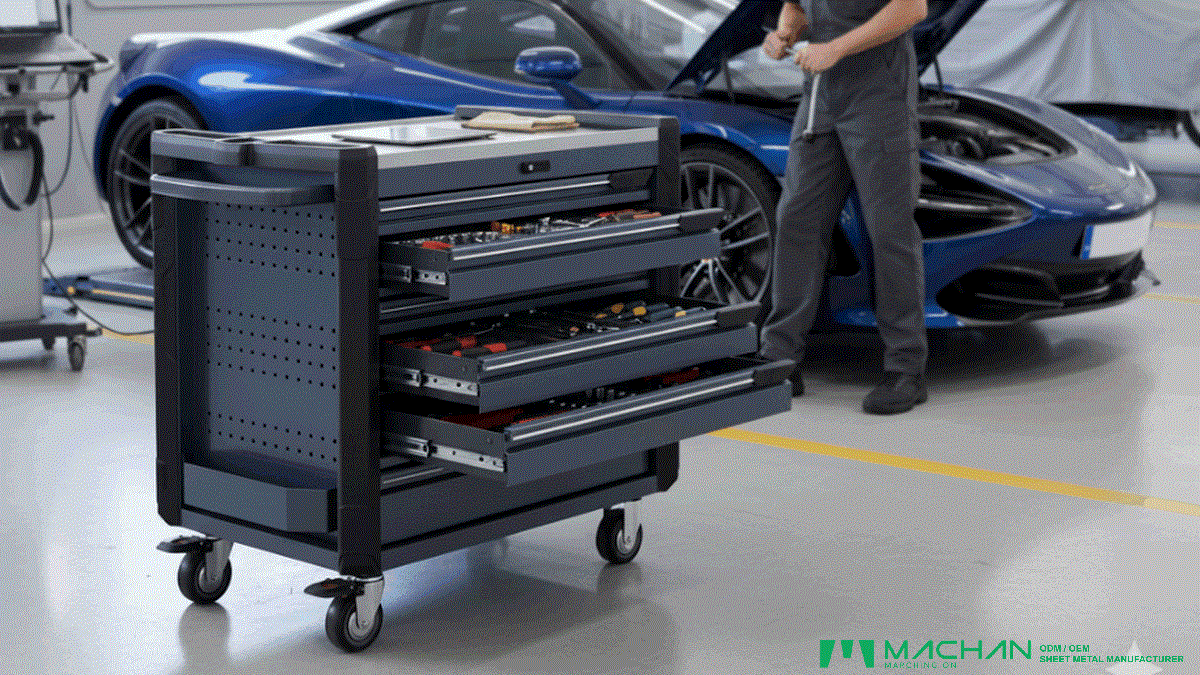
Another Machan design case focuses on high-end automotive service environments, where tool storage must protect valuable vehicles, reduce noise, and support demanding daily workflows. The concept combines collision protection, soft-close drawers and doors, heavy-duty load capacity, silent mobility, and workspace organization for tools, containers, and electric equipment.
The case illustrates how user-centered design can turn workshop observations into specific engineering decisions. Corner guards help reduce impact risk, while side trays, perforated panels, and power-management options keep frequently used tools accessible. The design also considers regional requirements, including higher-load configurations for European markets. These details show why professional tool trolleys are increasingly developed as complete workstation systems rather than simple storage cabinets.
Flexibility matters when demand is not uniform
Automotive aftermarket brands do not all follow the same production pattern. Some need a high-volume program for an established product line. Others are testing a new concept, serving a niche segment, or adapting an existing design for a specific region. These situations require different levels of production flexibility.
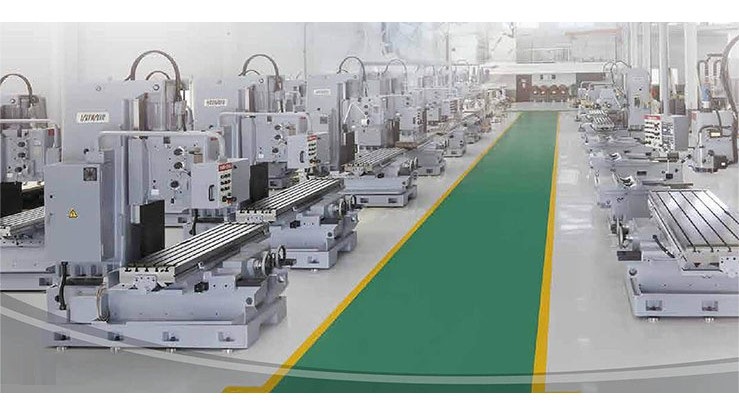
A manufacturing system that combines sheet metal expertise with automation and smart production tools can support both larger programs and smaller customized projects. This flexibility helps companies test product ideas without immediately committing to the scale of a mature product line. It can also support product variations when distributors or regional markets have different requirements.
For procurement teams, the key question is not simply whether a supplier can produce a cabinet. It is whether the supplier can support the entire path from product definition to repeatable production, while remaining responsive when the product mix changes.
A practical conversation at AAPEX 2026
MACHAN International will exhibit at AAPEX 2026 in Booth V5824. The company will present its professional tool-storage solutions and its experience in sheet metal fabrication, including OEM/ODM support from concept development and structural design through prototyping and manufacturing.
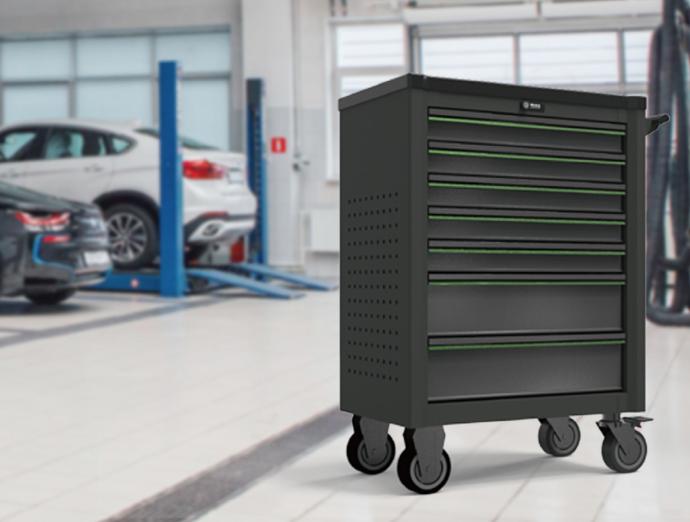
Its offering includes tool trolleys and customized metal cabinets, supported by cross-disciplinary experience in professional tool storage, medical equipment, charging storage carts, and server rack enclosures. The company also positions flexible production as a way to support both high-volume manufacturing and small-batch customization.
For product developers, distributors, and brands evaluating new storage programs, the discussion can extend beyond the appearance of a finished trolley or cabinet. It can include questions about design adaptation, prototype development, production scale, customization, and the manufacturing support required after a product enters the market.
As the automotive aftermarket continues to evolve, tool storage suppliers will be judged not only by what they make, but also by how effectively they help customers turn practical needs into products that can be manufactured, adapted, and brought to market. That is the broader value of meeting the right development and manufacturing partner at an industry event such as AAPEX.