How UKL is turning 700,000 tons of pineapple leaves into a localized, low‑carbon textile supply chain in 2026.
In 2026, Taiwan's UKL Enterprise is moving pineapple leaf fiber (PALF) from pilot projects to a localized, traceable supply chain—turning a major agricultural residue into a scalable, low‑carbon textile material for global brands.
Turning 700,000 tons of leaves into feedstock
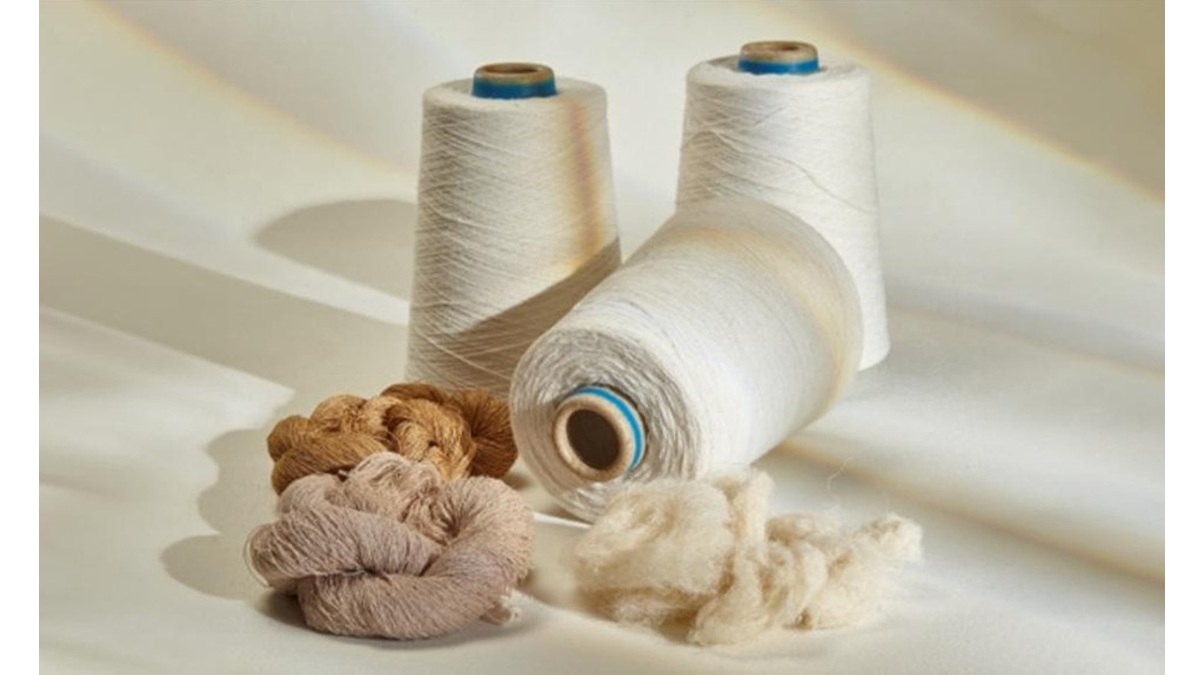
Taiwan produces roughly 480,000 tons of pineapples each year, generating more than 700,000 tons of leaves that were traditionally burned or left to decompose. UKL has built what it describes as Taiwan's first fully localized trial production line for PALF, covering leaf collection, fiber extraction, spinning, and fabric applications through its "Pineapple Leaf Fiber Production & Sales Alliance."
The company reports a carbon footprint of about 0.784 kg CO₂e per kg of PALF—roughly 75% lower than cotton and about 90% lower than linen—while claiming up to 97% less water use compared with cotton fiber production. By using a by‑product that requires no additional cultivation, UKL positions PALF as a circular feedstock that can reduce pressure on conventional cotton and synthetic fibers.
Building a transparent, co-benefit supply chain
UKL's approach is not only about material performance; it is also about supply chain structure. The alliance model connects pineapple farms, fiber processors, spinners, and fabric manufacturers, aiming to keep sourcing transparent and value creation local. Farmers can earn additional income from leaves that were previously a disposal cost, while UKL gains a more stable, traceable raw material base for textile customers.
This "co‑benefit" framing is central to UKL's 2026 narrative: PALF as both a climate solution and a rural economic opportunity, aligned with SDG 12 (responsible consumption and production), SDG 13 (climate action), and SDG 15 (life on land).
From fabric to classroom: expanding the use cases
In Q2 2026, UKL extended PALF beyond apparel into education. Together with the "Sustainable Textbook" platform, the company launched 3D teaching kits and experience packs built around pineapple leaf fiber, allowing students to handle raw material, tools, and semi‑finished products. The initiative is designed to make circular economy concepts tangible and is planned to expand to more schools and institutions, with a longer‑term view toward commercialized educational products.
On the commercial side, UKL continues to develop PALF yarns and fabrics for apparel, footwear, and bio‑based vegan leather applications, while also exploring uses for post‑extraction residues in pellets, molded products, and other non‑textile applications to improve overall economics.
Why this matters for brands and suppliers
For global brands under tightening carbon and due‑diligence rules (e.g., EU CBAM, emerging U.S. measures), PALF offers a story that is both quantitative and localizable: measurable carbon and water savings, plus a traceable, regional supply chain. For suppliers, UKL's model shows how an agricultural by‑product can be standardized into a textile feedstock with defined specifications, helping move PALF from "innovative material" to "procurement option."
UKL's 2026 moves—localizing the PALF supply chain, formalizing alliances, and extending into education—signal that pineapple leaf fiber is entering a more mature phase, where scalability, transparency, and co‑benefits are as important as the fiber itself.
Supplier note
Ecopalf, UKL's PALF material brand, focuses on pineapple leaf fiber yarn and textile‑oriented materials, with development centered on fiber processing and yarn applications rather than industrial composites. This positioning is relevant for brands and mills that are working on sustainable textiles and need materials that can be integrated into existing production systems.
Looking for Pineapple Leaf Fiber Yarn Supply
Brands and mills exploring PALF for sustainable textile development can learn more about material specifications and supply options at: