In fresh produce retail, packaging is not simply the final step before products reach store shelves. It directly affects freshness, appearance, handling efficiency, and how confidently consumers choose what they buy. For supermarkets and produce packing operations, the challenge is clear: how can fresh vegetables be packed faster and more consistently without sacrificing quality? This was the practical issue facing TAWA Supermarket in California. With more than 60 supermarket locations across the region, TAWA relies on a central market operation to select fresh vegetables from nearby farms and prepare them for retail distribution. To support this high-volume workflow, TAWA needed a packaging solution that could protect produce quality, improve operating efficiency, and keep up with growing output demand. This case shows how Tai Dragon Machinery Co., Ltd. helped address those needs through its vegetable packing machines and labeling solutions.
Why Fresh Produce Packaging Is a Constant Challenge
Fresh vegetables and fruits are among the most difficult retail products to package well. Unlike standardized packaged goods, produce varies in shape, length, thickness, and surface condition. That creates several day-to-day challenges for packing facilities and supermarket operations:
Fresh produce is easily damaged or contaminated
Vegetables can be bruised, compressed, or exposed to contamination during manual handling and packaging. If the packaging process is not stable, product quality may decline before the goods even reach the shelf.
Product sizes and shapes are inconsistent
Leafy vegetables, long-stem products, and other irregular items are not easy to pack in a uniform way. Without adaptable equipment, operators may face inconsistent packaging quality, material waste, and slower processing speed.
Freshness and productivity must be balanced
Packing too slowly can shorten the freshness window. Packing too aggressively without proper sealing can reduce presentation quality and undermine product protection. For many operations, maintaining both speed and quality is the real challenge.
These issues are why more produce businesses are investing in vegetable packing machines that can improve consistency while reducing labor pressure.
The TAWA Supermarket Case in California
TAWA Supermarket is one of Tai Dragon’s valued clients in the United States. With over 60 stores in California, TAWA manages a large volume of fresh vegetables through its central marketplace operation. Vegetables are selected from nearby farms and then packed for distribution to retail outlets.
For a supermarket group operating at this scale, packaging has a direct impact on product quality, supply efficiency, and store readiness. TAWA needed a solution that could help solve several practical problems at once:
- Protect fresh vegetables from damage and contamination
- Handle different product shapes and sizes more effectively
- Improve packaging speed and consistency
- Support freshness retention during distribution
- Provide clear and accurate product labeling for retail sale
Tai Dragon responded with an automated packaging approach designed to support both productivity and presentation.
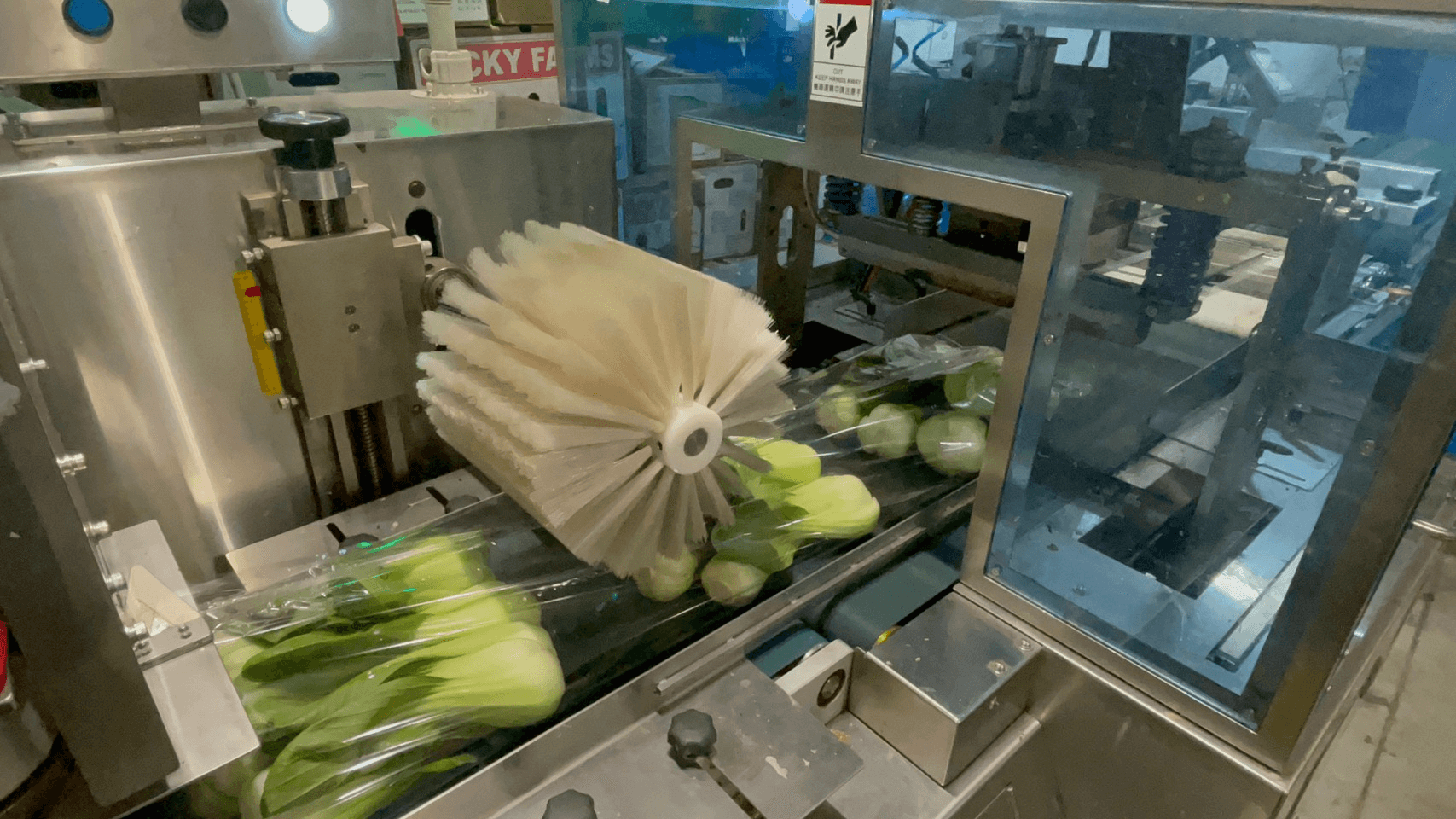
Tai Dragon’s Vegetable Packaging Solution
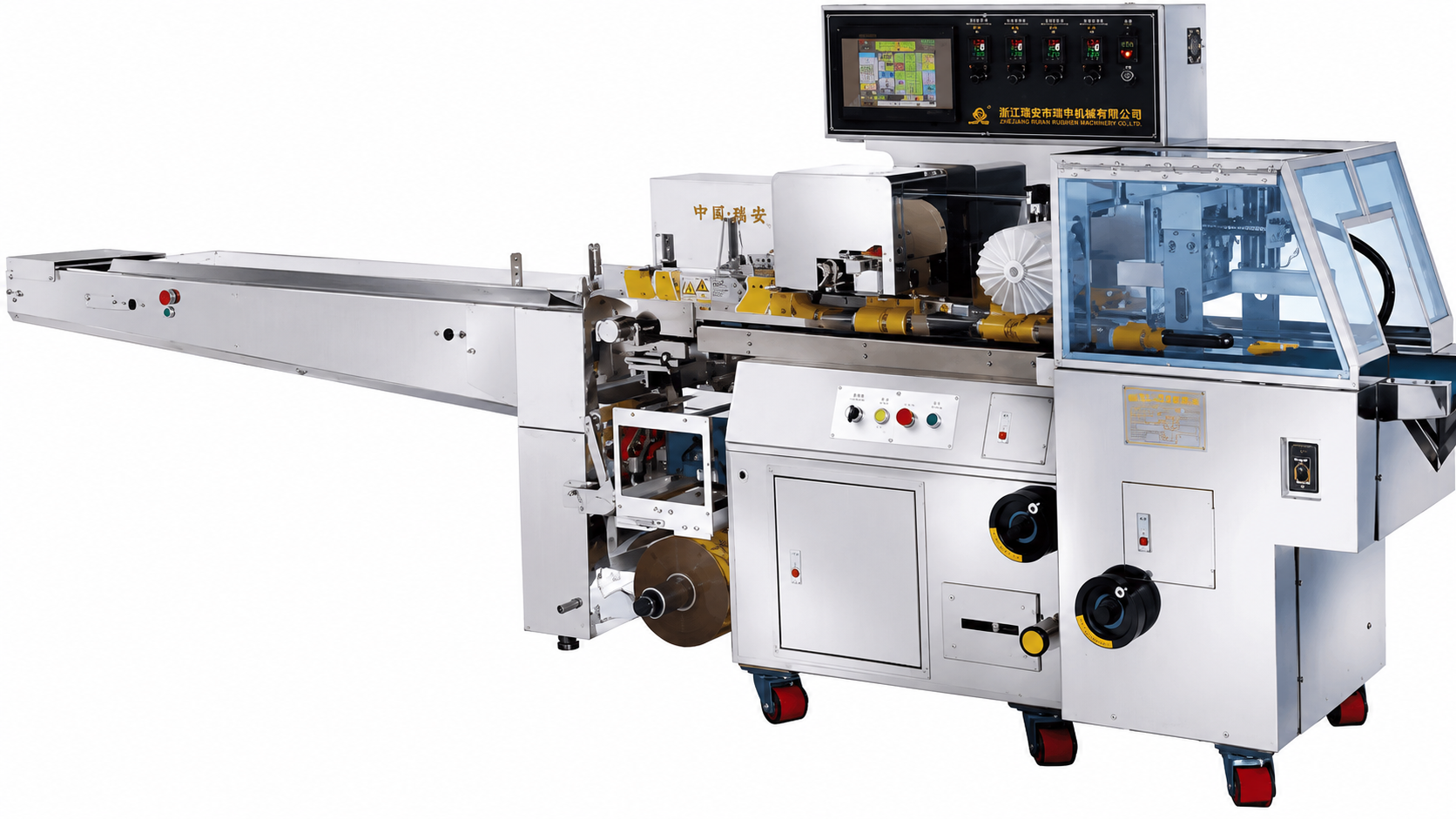
To meet TAWA’s fresh produce packing needs, Tai Dragon provided a packaging solution centered on its vegetable and fruit wrapping equipment, including the TD-600-ESCR Top Vegetable Sealing Packaging Machine.
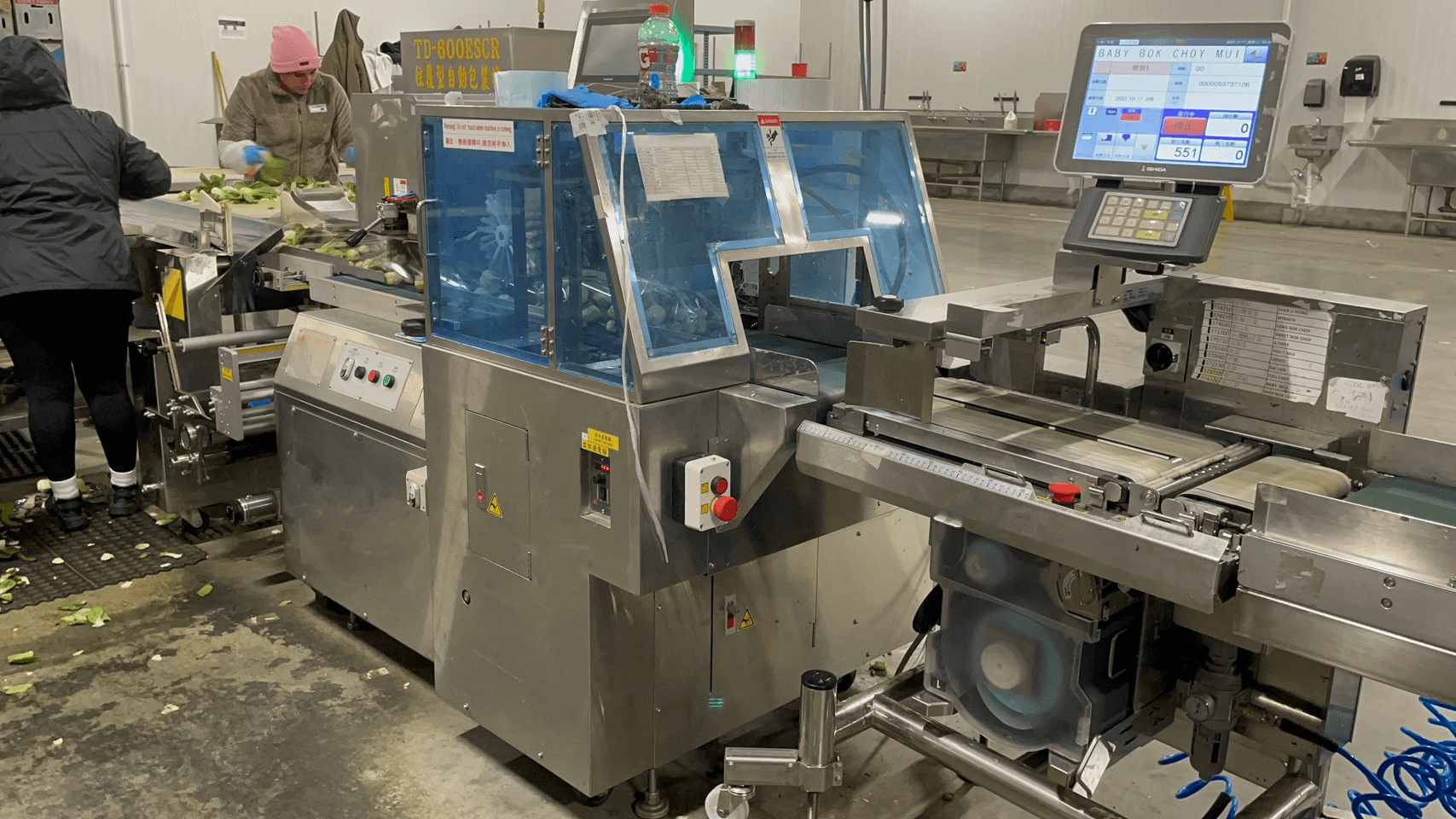
This solution was designed to help TAWA streamline its packaging process while improving product protection and operational efficiency.
Key benefits of the [TD-600-ESCR](https://www.taidragon.com/en/products/top-seal-packaging-machine-td-600-escr)
According to the case, the machine offered several practical advantages:
- Flexible and easy operation
- Support for fixed bag length, variable bag length, and eye-mark tracking packaging modes
- Stable and precise packaging performance
- Reduced risk of frequent malfunction under normal operating conditions
- Less need for frequent maintenance, allowing operators to focus on production continuity
For produce businesses, these features matter because they support smoother workflows in environments where product types can vary throughout the day.
How Vegetable Packing Machines Solve Real Produce-Line Problems
For fresh produce operations, packaging equipment needs to do more than wrap products. It must help solve recurring operational issues. The table below shows how these needs connect to equipment value.
| Produce Packaging Challenge |
Operational Impact |
How Vegetable Packing Machines Help |
| Product damage during handling |
Lower retail quality and more waste |
Provide more stable wrapping and sealing |
| Irregular vegetable shapes and sizes |
Slower packing and inconsistent output |
Adapt to different product dimensions |
| Short freshness window |
Reduced shelf appeal and sell-through |
Speed up packing and improve package quality |
| High labor dependency |
Higher cost and lower efficiency |
Automate repetitive packing steps |
| Incomplete retail labeling |
Weaker traceability and customer clarity |
Integrate product information more clearly |
For supermarket groups and produce suppliers, this kind of improvement supports not only production efficiency, but also shelf presentation and customer trust.
Results: Higher Output and Better Retail Support
The case reported strong operational results after implementation. A single vegetable wrapping machine was capable of packing up to 5 tons of vegetables per day, a meaningful level of output for a produce factory or supermarket supply operation.
Since introducing automated packaging equipment, TAWA Supermarket also saw a significant increase in sales across its branches. To support growing production demand, the company purchased multiple vegetable wrapping machines for its production lines.
In addition to packaging performance, Tai Dragon’s labeling machines brought added convenience to the operation. The system could provide accurate and detailed information such as:
- Product origin
- Packaging or date information
- Product names in both Chinese and English
- Barcodes
This helped TAWA improve information clarity at the retail level, making it easier for customers to understand each product’s source and details.
Why This Matters for Today’s Fresh Produce Industry
Consumer expectations for fresh fruits and vegetables continue to rise. Shoppers care not only about nutritional quality, but also about appearance, cleanliness, traceability, and overall product confidence. At the same time, supermarkets and produce suppliers face ongoing pressure to improve labor efficiency and reduce handling losses.
That is why flexible, reliable vegetable packing machines are becoming increasingly important across modern fresh produce operations. Businesses are not only looking for speed. They are looking for packaging systems that can help preserve quality, support operational stability, and improve retail readiness.
FAQ: What Buyers Often Ask About Vegetable Packing Machines
What types of businesses can benefit from vegetable packing machines?
Supermarkets, produce packing centers, fresh produce suppliers, wholesalers, and agricultural processing facilities can all benefit, especially when manual packing is slowing throughput or affecting consistency.
Why is flexibility important in fresh vegetable packaging?
Because vegetables vary widely in size and shape. A machine that can adapt to different products helps reduce packaging waste, improve consistency, and simplify daily operations.
Is labeling really that important in produce packaging?
Yes. Clear labeling supports traceability, inventory management, bilingual retail environments, and customer confidence at the point of sale.
What should buyers look for besides speed?
In produce applications, buyers should also evaluate sealing quality, packaging precision, operating stability, ease of maintenance, and how well the machine handles product variation.
Helping Fresh Produce Operations Pack More Effectively
The TAWA Supermarket case shows that the right packaging equipment can do more than increase throughput. It can help improve freshness protection, reduce manual workload, support clearer retail labeling, and create a more consistent packing process for fresh vegetables.
With experience in packaging equipment for a wide range of industries, Tai Dragon continues to support produce businesses with practical packaging solutions tailored to real operating needs. Readers who want to explore Tai Dragon’s main vegetable packing machines.
Conclusion
For fresh produce businesses, packaging is a key part of maintaining quality from packing line to retail shelf. The TAWA Supermarket case in California demonstrates how the right equipment can help balance freshness, efficiency, and output in a demanding real-world environment. If you are looking for a more effective fresh produce packaging solution, you can learn more or contact Tai Dragon.