Chemical Packaging Lines Evolve as Safety and Precision Demands Increase
As chemical manufacturers face stricter safety regulations and complex material requirements, packaging lines are evolving from standalone machines into fully integrated production systems. This article explores key considerations including filling technology selection, equipment durability under chemical exposure, workplace safety, and the shift toward complete system solutions. Understanding these factors helps manufacturers improve accuracy, ensure safety, and enhance overall production efficiency in hazardous chemical packaging environments.
As chemical manufacturers face tighter safety regulations and more complex material requirements, packaging lines are being rethought as critical parts of production rather than downstream utilities.
In recent years, the shift has been driven by two factors: the need for higher filling accuracy across varied chemical properties, and increased attention to workplace safety in environments where vapors, corrosion, and static discharge present ongoing risks.
In many facilities, packaging used to be handled by standalone filling machines connected by simple conveyors. That approach is becoming less common, particularly in operations dealing with solvents, coatings, or specialty chemicals.
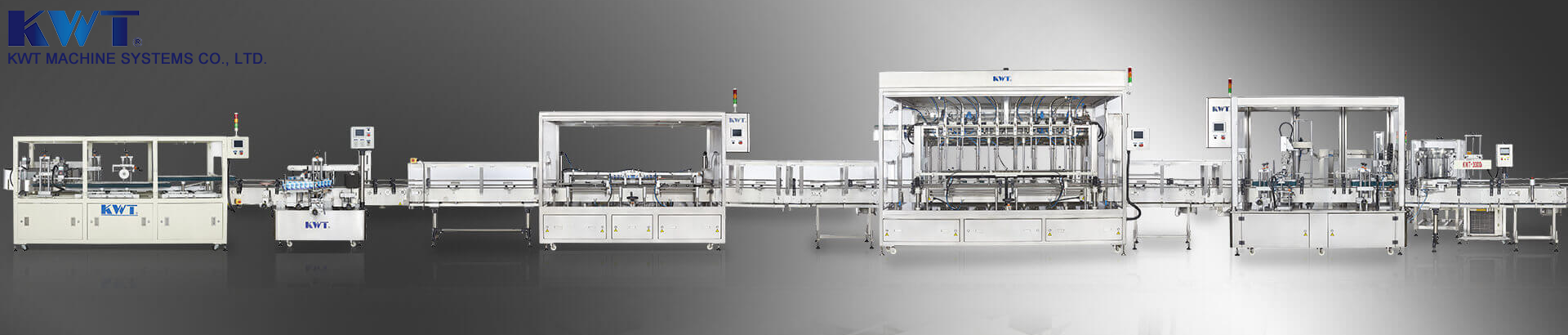
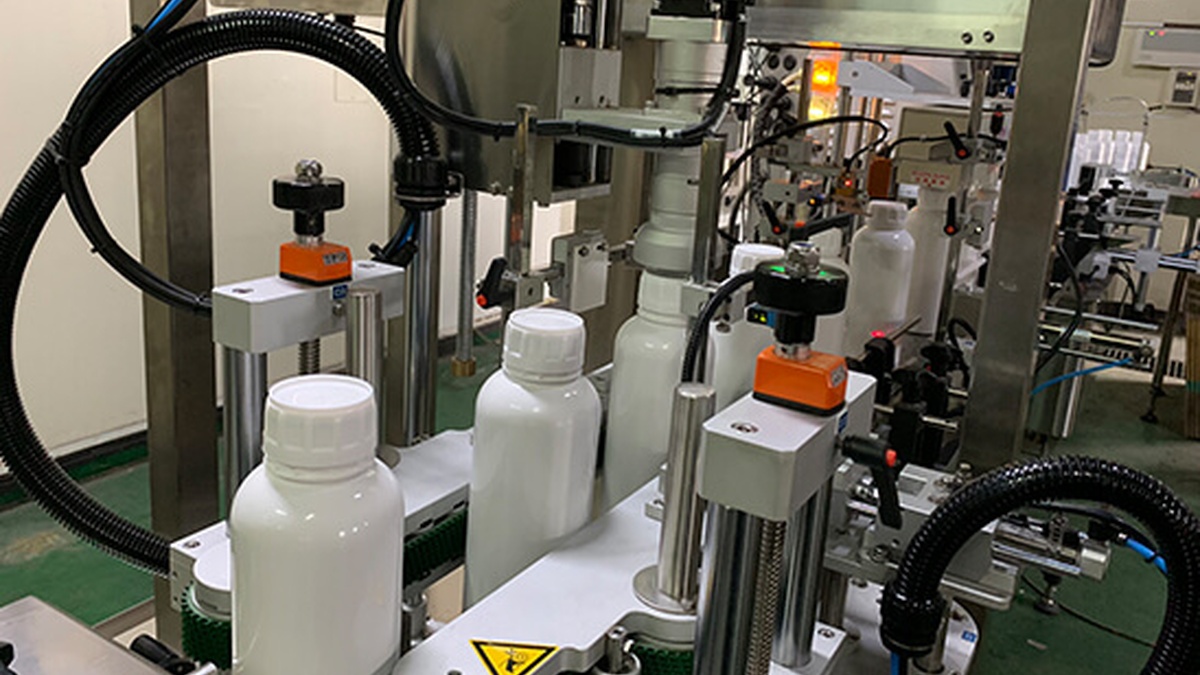
Today, packaging lines are more often designed as integrated systems. Container handling, filling, sealing, and palletizing are configured together, with attention given to how each stage affects the next. This is especially relevant when working with large-volume containers such as drums or IBC totes, where stability and consistency over longer cycles are harder to maintain.
Matching Filling Technology to Material Behavior
Selecting the right filling method remains one of the most practical challenges. Differences in viscosity, density, and temperature response can affect how accurately a liquid can be dispensed.
Mass flow meter systems are often used when consistency is critical across varying conditions. Weighing systems tend to be applied in drum and IBC filling, where cumulative accuracy matters more than speed. For higher-viscosity materials, piston-based systems are still widely used for their control over flow behavior.
Materials and Equipment Durability Under Chemical Exposure
Another factor shaping system design is long-term exposure to aggressive substances. Equipment that performs well in neutral environments may degrade quickly when exposed to acids, solvents, or reactive compounds.
As a result, system builders increasingly rely on corrosion-resistant materials such as stainless steel, along with engineered polymers for critical components. In practice, durability is not only determined by material choice, but also by sealing design and how fluid paths are configured within the system.
Safety Moves to the Center of System Design
Safety considerations have also moved closer to the center of packaging line design. In facilities where flammable vapors are present, system configuration must reduce the risk of ignition sources.
This often leads to the use of enclosed filling stations, grounding systems, and controlled ventilation. In some installations, monitoring systems are added to detect abnormal conditions before they escalate.
A Shift Toward Integrated Supply Models
As requirements become more complex, manufacturers are increasingly turning to suppliers that can deliver complete packaging systems rather than individual machines.
This approach reduces integration risks and shortens deployment time, particularly for projects involving multiple container formats or hazardous materials. It also reflects a broader shift toward system-level responsibility, where performance is measured across the entire line.
In Asia, for example, some manufacturers work with system integrators such as KWT Machine Systems, which provide chemical packaging solutions that combine drum and IBC filling with safety-oriented design and automation integration.
Looking Ahead
As production environments continue to evolve, chemical packaging lines are expected to become more adaptive. Systems will need to handle a wider range of materials while maintaining consistent output and meeting regulatory expectations.
Rather than focusing solely on equipment upgrades, many manufacturers are likely to continue investing in system-level improvements. In that context, packaging is no longer a supporting process, but part of the core production strategy.
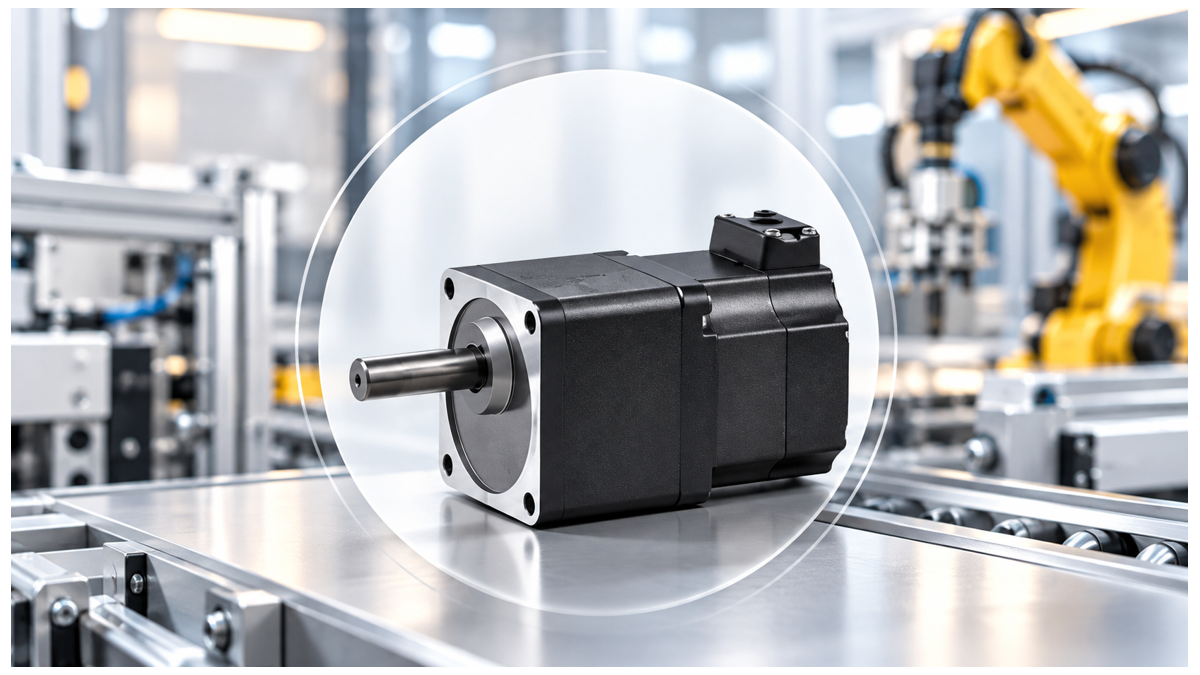
The right motor system depends first on the power already available in your equipment. This guide explains how a 24V brushless DC motor differs from an AC-input brushless motor in power conversion, controls, wiring, and selection, so purchasing and engineering teams can compare complete drive systems, not just motor labels.
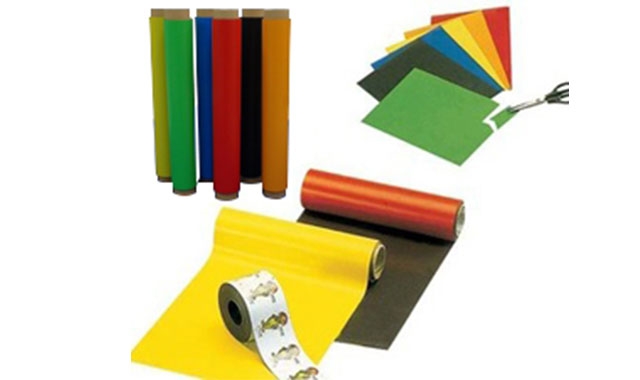
Both grades are ferrite powder in a rubber binder. The difference is whether the particles are aligned during manufacture, and that alignment decides how much holding force you get from a given thickness.
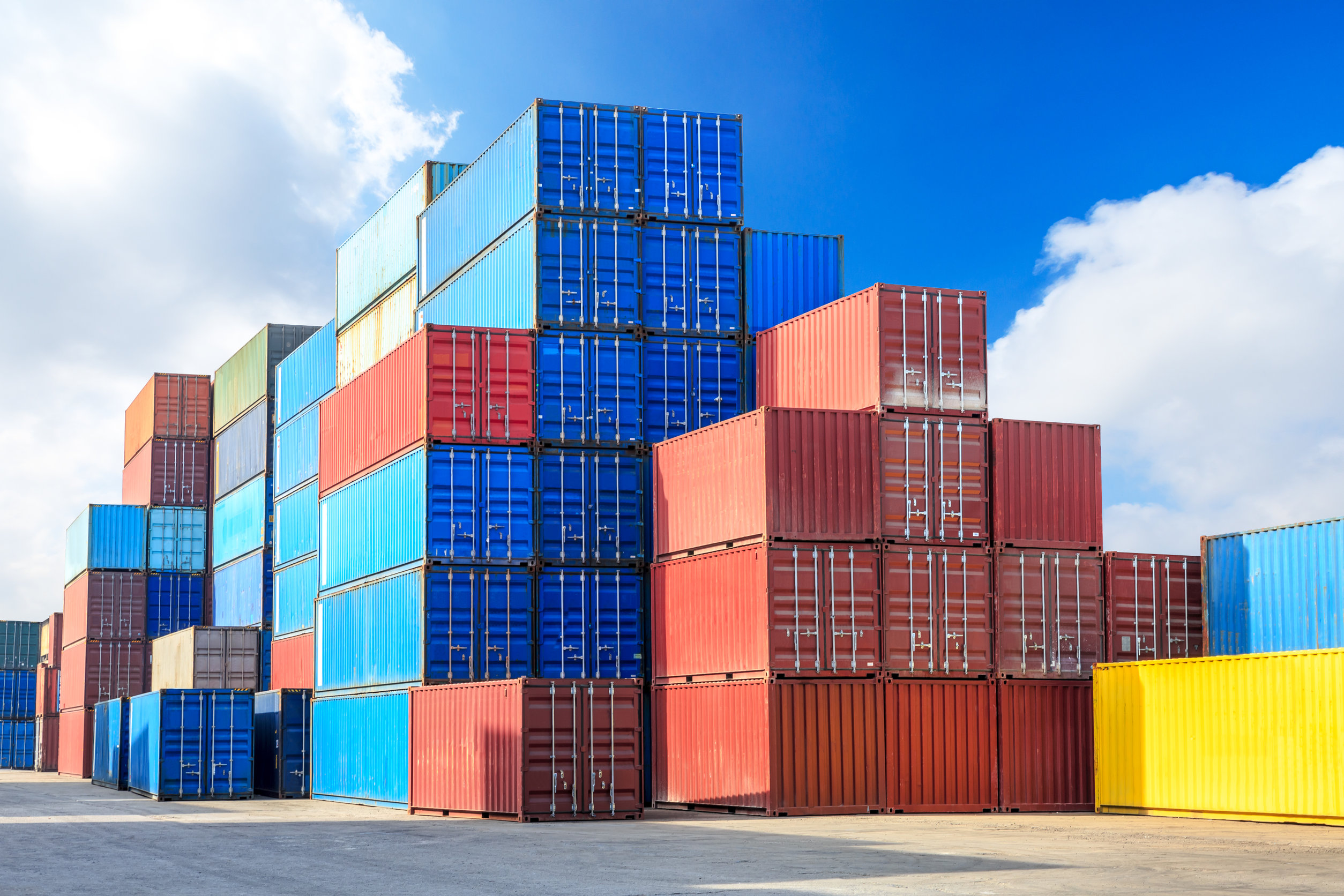
A DDP quote looks simpler because one price covers everything to your door. The trade-off is less visibility into freight and duty costs, and in the US a customs liability that does not always move with the price.
The hardest part of replacing an old motor is usually not finding a newer model with similar power. It is making sure the new motor fits the machine, handles the actual load, and works with the existing control system.

(4059)(20260924)(原).jpg)
(2367)(20260924)(原).jpg)