In sensitive manufacturing, many costly defects do not begin with machine failure or operator error. They begin with static charge, airborne particles, micro-scratches, adhesive residue, and unnoticed surface contamination. These issues are often underestimated because they appear as scattered defects rather than one major failure. Yet in electronics, optics, display processing, and coated surface production, even small flaws can reduce yield, increase rework, slow inspection, and weaken final product quality.
Why Surface Damage And Static Events Still Cause Hidden Production Losses
Production teams usually track major failures carefully, but surface-related losses often remain hidden inside broader scrap, cleaning, or quality-control costs. A scratched lens, a contaminated display layer, or an electrostatic event affecting a sensitive component may be recorded as an isolated defect instead of part of a recurring handling problem.
Static electricity is especially difficult because its effects are not always immediately visible. It can attract dust and fine particles to exposed surfaces, increasing contamination risk during processing. Meanwhile, unprotected contact during transport, die-cutting, stamping, lamination, or assembly can leave abrasion marks that are only discovered later in inspection or after product delivery.
When these problems repeat across production, manufacturers often face:
- lower first-pass yield
- higher cleaning and inspection time
- more rejected parts during downstream processing
- greater risk of cosmetic complaints or functional issues
- hidden labor costs from rework and replacement
What Anti-Static And Protective Films Actually Do
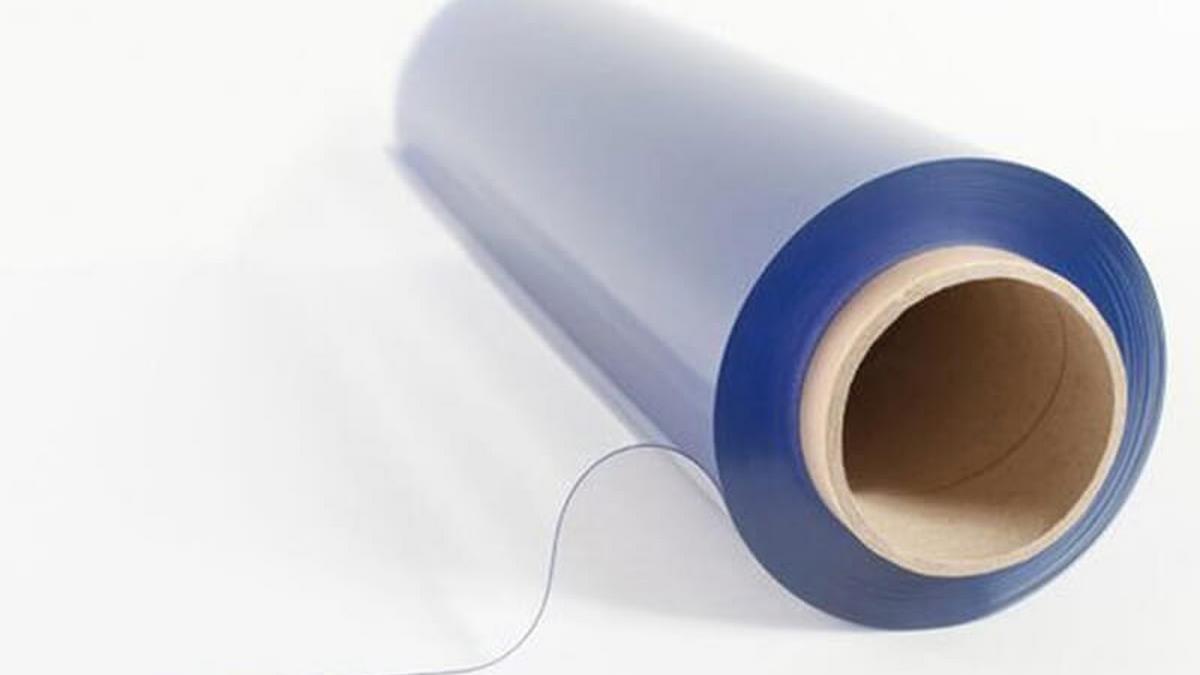
Anti-static and protective films help manufacturers manage two common risks at once: electrostatic buildup and physical surface damage. Rather than addressing contamination and scratches only after defects appear, these films provide preventive protection throughout handling and processing.
Protective PET film helps control charge accumulation so surfaces are less likely to attract particles or expose sensitive components to electrostatic discharge. Protective PET film acts as a temporary barrier against friction, abrasion, fingerprints, and contact damage during converting, transport, assembly, and storage. Depending on the coating and adhesive system, some films also offer high clarity, stable adhesion, and clean removal without residue.
Used correctly, these films support process stability, cleaner handling, and more consistent quality before the product reaches the next manufacturing stage.
Where These Films Add Value In Sensitive Manufacturing Environments
Electronics Assembly
In electronics assembly, static-sensitive components and visually critical surfaces often move through the same production flow. Anti-static films can help control charge on carriers, covers, and temporary protective layers, while protective films reduce the chance of scratches during handling, die-cutting, and intermediate storage. This is especially relevant for touch panels, device housings, printed parts, and electronic subassemblies.
Optical Components
Lenses, transparent covers, and optical layers require more than simple impact protection. They also need protection against contamination, fine abrasion, and visual defects that may affect inspection standards. Even when a flaw does not immediately affect function, it can still reduce perceived quality and increase rejection rates. Films used in optical applications should therefore support cleanliness, clarity, and dependable removal.
Display Manufacturing
Display-related processes are highly vulnerable to surface defects because they involve repeated transfer, lamination, and inspection stages. Protective films help preserve touchscreens, ITO films, and cover surfaces during these transitions. In this environment, anti-static performance is valuable because it helps reduce particle attraction that can later show up as visible defects under backlighting or close inspection.
Precision Coated Surfaces
Precision coated substrates used in decorative, industrial, or functional applications are often damaged before they reach end use. Surface marring, unstable adhesion, and particulate contamination can all reduce product value. A well-matched protective film helps preserve coating integrity during slitting, converting, transport, and installation.
Key Film Properties To Evaluate Before Adoption
Before adoption, manufacturers should compare film performance against the actual demands of the process rather than relying on a single specification. The most important factors usually include anti-static capability, adhesion level, optical clarity, clean peel performance, thickness, and resistance to temperature or storage-related changes.
The table below shows how these properties affect manufacturing outcomes.
| Property |
Why It Matters |
Typical Impact If Poorly Matched |
| Surface Resistivity |
Determines the level of anti-static control |
Particle attraction, ESD-related risk |
| Adhesion Level |
Affects holding power and peel behavior |
Edge lifting, residue, surface damage |
| Optical Clarity |
Important for transparent or visual surfaces |
Haze, appearance issues, inspection difficulty |
| Clean Peel Performance |
Prevents residue after removal |
Extra cleaning, contamination, workflow delays |
| Thickness |
Influences protection strength and handling |
Insufficient protection or difficult converting |
| Thermal Or Weather Resistance |
Supports stability in real production conditions |
Curling, adhesive instability, inconsistent performance |
Testing under actual production conditions is essential. A film that performs well on glass may behave differently on coated plastic, metal, or textured substrates.
How To Build A Better Surface Protection Strategy Across The Production Flow
A better strategy starts by treating surface protection as part of process design rather than as a final packaging decision. Teams should identify where defects are most likely to occur, such as after coating, during slitting, at die-cutting stations, before lamination, in work-in-process storage, or during internal shipment.
A practical protection plan often includes:
- matching film type to substrate sensitivity
- defining clear timing for film application and removal
- verifying peel performance after storage and process exposure
- reviewing contamination trends with quality and production teams
- standardizing film specifications across repeat programs when possible
Supplier capability becomes especially important when production teams need different film functions for different substrates, processing conditions, and end-use requirements. In these cases, manufacturers often benefit from working with a supplier that can support a broader range of functional film solutions rather than a single standard specification.
Prochase’s Film Solutions For Surface-Sensitive Applications
Prochase has been active in the plastics industry since 1992 and expanded into film coating in 2006, building experience in functional PET film development for industrial applications. Its portfolio covers a range of solutions used in surface-sensitive environments, including Anti-Static Film, PET Protective Film, Anti-Scratch Film, Anti-Fingerprint Film, etc.
For manufacturers working with electronics, optical parts, touchscreens, lenses, printing materials, and coated surfaces, this kind of product breadth can be valuable because protection requirements often vary across different process stages. Key strengths include:
- anti-static performance for ESD-sensitive environments
- optimized adhesion for stable protection and controlled removal
- high cleanliness and transmittance for visually critical applications
- weather resistance for more demanding operating conditions
- easy peel-off performance to improve handling efficiency
- no-residue removal to reduce post-process cleaning risk
Film Selection As A Critical Part Of Process Control
Surface damage and contamination are rarely random. In many cases, they are predictable risks that can be reduced through better material matching and more disciplined handling control. Anti-static and protective films help manufacturers improve surface quality, reduce avoidable defects, and support more stable production outcomes. In operations where yield, appearance, and cleanliness directly affect profitability, film selection should be treated as an important part of process control rather than a secondary packaging detail.

(4059)(20260924)(原).jpg)
(2367)(20260924)(原).jpg)