Packaging can look intact while still allowing oxygen, moisture, and volatile compounds to pass through the material at a molecular level.
For foods sensitive to oxidation or humidity and medical products requiring controlled protection during storage, these transmission rates can affect product stability and shelf life.
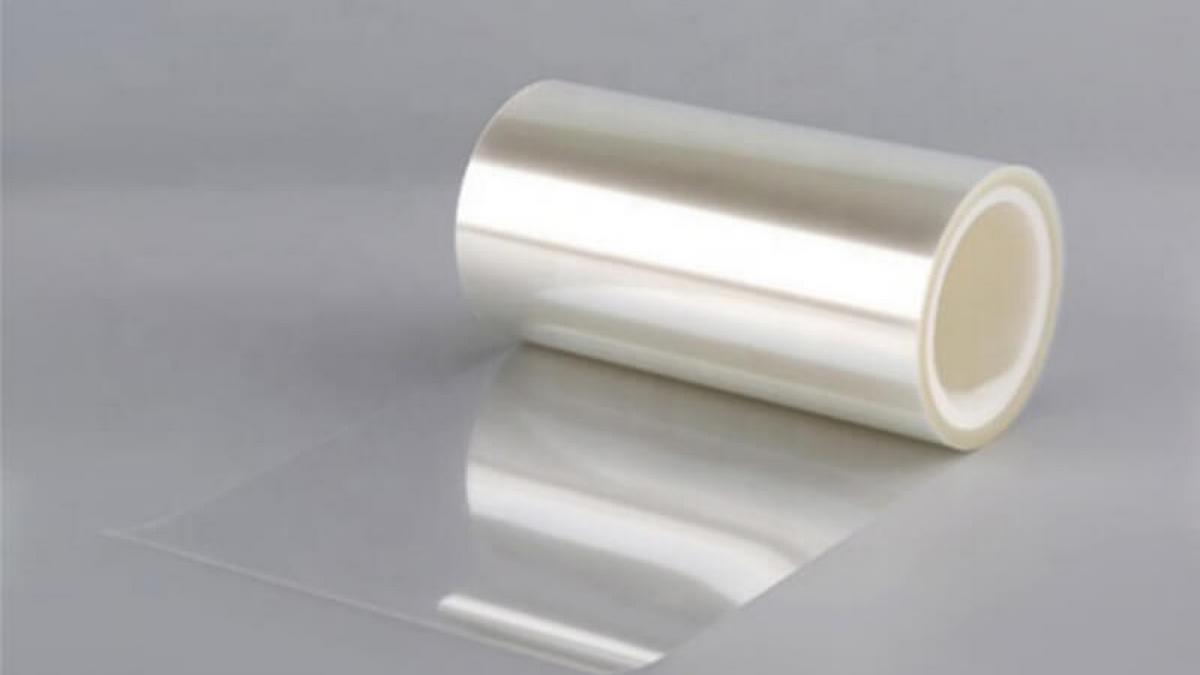
PET film provides dimensional stability, mechanical strength, transparency, and processability. However, demanding packaging applications may require additional barrier performance. High-barrier functional PET films address this need through specialized coatings or multilayer structures engineered to control oxygen, moisture, aroma, and other external influences.
Which Barrier Properties Matter Most?
The required barrier depends on what could cause the packaged product to deteriorate.
Oxygen Barrier
Oxygen exposure can accelerate oxidation in sensitive foods, contributing to changes in flavor, color, aroma, or quality. Oxygen barrier performance is commonly measured by oxygen transmission rate (OTR). Lower OTR values generally indicate less oxygen passing through the material under specified test conditions.
Moisture Barrier
Water vapor can migrate through polymer packaging even when liquid water cannot. This can affect the texture and stability of moisture-sensitive products.
Water vapor transmission rate (WVTR) measures this behavior. Because temperature and humidity influence transmission, WVTR should always be evaluated together with the stated test conditions.
Aroma And Flavor Barrier
Packaging may also need to retain desirable volatile compounds while limiting the entry of external odors. Aroma barrier performance is therefore relevant for strongly flavored foods and other products whose sensory characteristics need to remain stable during storage.
How High-Barrier PET Films Are Engineered
Standard PET already provides useful mechanical and barrier properties, but higher-performance packaging often relies on additional functional layers. Two common approaches are multilayer structures and functional coatings.
Multilayer And Co-Extruded Structures
Multilayer films combine materials with different functions instead of relying on a single polymer to provide every required property. One layer may provide mechanical strength, while another contributes oxygen resistance, sealing performance, or moisture control.
Co-extrusion can integrate compatible polymers into a multilayer structure during film production. Depending on the application, barrier polymers and tie layers can be incorporated to achieve the required balance of performance.
The objective is not simply to create a thicker film. Each layer should serve a specific function within the complete packaging structure.
Functional Barrier Coatings
Coating provides another way to modify the barrier or surface properties of PET without changing the primary substrate.
Depending on the technology, thin functional layers can improve oxygen or moisture resistance or provide additional properties such as anti-fog performance. Metal oxide coatings such as aluminum oxide (AlOx) and silicon oxide (SiOx), for example, are used in some high-barrier packaging structures to reduce gas transmission while maintaining transparency.
Actual barrier performance depends on factors such as coating uniformity, thickness, defects, processing conditions, and the complete laminate structure. For this reason, the performance of the finished film should be evaluated rather than assuming that a specific coating automatically delivers a particular barrier level.
High-Barrier PET Films for Food And Medical Packaging
Although food and medical packaging can both require high-barrier materials, the performance priorities are not necessarily the same.
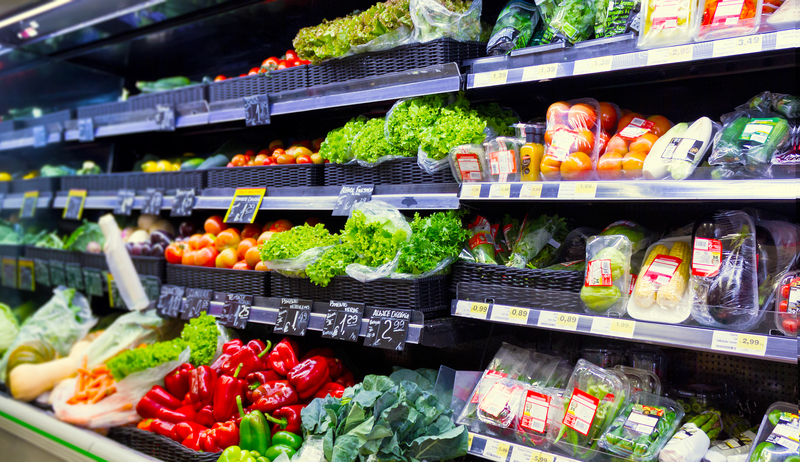
For food packaging, oxygen control may be important for oxidation-sensitive products, while moisture resistance can help maintain the characteristics of dry or humidity-sensitive foods. Aroma retention and transparency may also influence film selection.
For medical packaging, barrier performance may need to work alongside material compatibility, sealing behavior, cleanliness, transparency, storage conditions, and applicable packaging requirements. There is no single OTR or WVTR target suitable for every medical application.
Regulatory requirements also need to be evaluated according to the final packaging structure and intended use. A PET substrate alone does not establish whether the finished coated or laminated material is suitable for a specific food-contact or medical application.
What to Check Before Selecting a High-Barrier PET Film
"High barrier" should be treated as a measurable performance requirement rather than a general product description. Before selecting a film, consider:
Required OTR and WVTR
Temperature and humidity conditions
Need for aroma or flavor retention
Film thickness and optical requirements
Coating, lamination, printing, or heat-sealing processes
Applicable food-contact or medical packaging requirements
Effects of downstream converting on the barrier layer
Defining these conditions first makes it easier to determine whether a coated PET film, multilayer structure, or another packaging configuration is appropriate.
Functional PET Film Development at Prochase
Prochase has worked with functional PET films since 2006, applying coating technologies to modify PET surfaces for different performance requirements. Its portfolio includes functional films with anti-fog, anti-static, anti-scratch, anti-reflective, anti-fingerprint, protective, and other surface properties.
For packaging projects, its experience with PET substrates and functional coatings can support discussions around film structure, surface properties, optical requirements, and application conditions. Any specific barrier, food-contact, or medical packaging requirement should still be evaluated against the required technical specifications and compliance documentation.
Matching Barrier Performance to the Application
High-barrier PET film selection starts with identifying what the package needs to protect against and under what conditions. OTR, WVTR, aroma retention, optical properties, processing requirements, and regulatory considerations should be evaluated together rather than relying on the term "high barrier" alone.
A clearly defined specification provides a more practical basis for determining the appropriate PET film structure for demanding food and medical packaging applications.