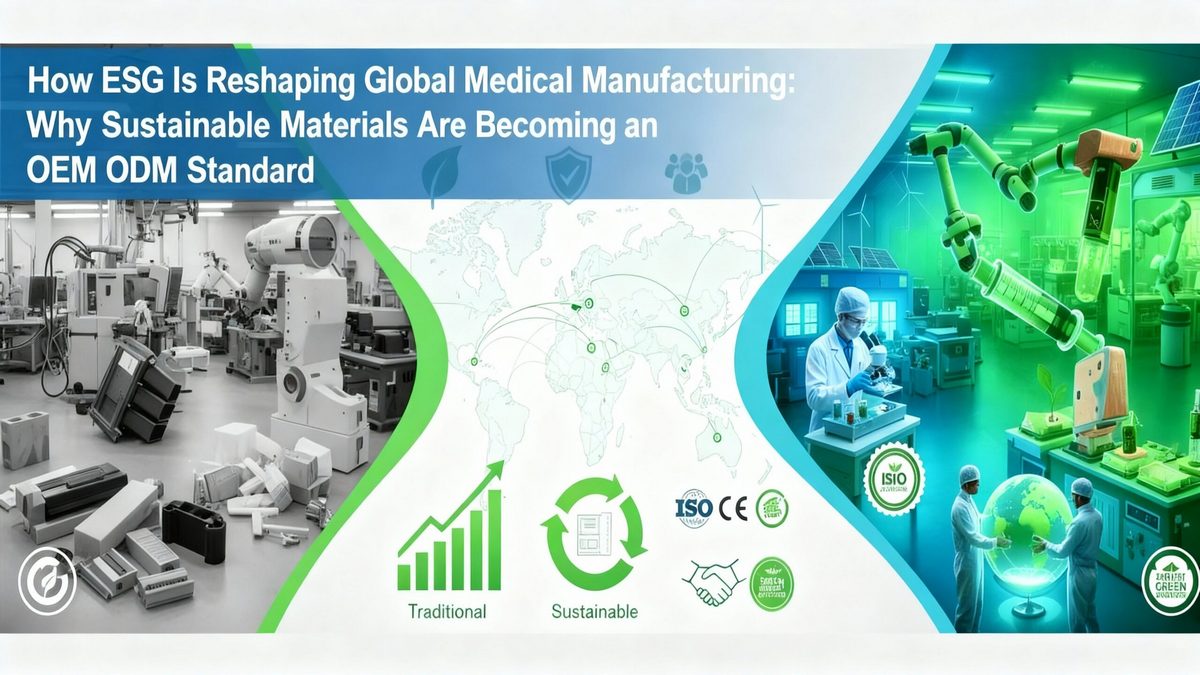
The global push toward sustainability is transforming the medical manufacturing ecosystem. Medical OEM/ODM companies, healthcare brands, and hospital systems are increasingly incorporating ESG—Environmental, Social, and Governance—criteria into supplier selection and long-term sourcing strategies. In sectors where medical-grade plastic components and precision molding play a critical role, material sustainability, recyclability, and process transparency have quickly emerged as strategic decision factors.
ESG Expectations Are Redefining the Medical Supply Chain
Governments and Healthcare Systems Are Raising Sustainability Standards
Regulators across Europe, North America, and Asia are enforcing low-carbon, reduced-waste, and safer-chemical frameworks. Healthcare products are now evaluated not only for safety and performance but also for their environmental footprint. Major hospital systems are adopting green procurement models, requiring suppliers to disclose carbon data, material sources, and waste-reduction initiatives.
ESG Is Becoming a Qualification Threshold—Not a Bonus
Medical OEM/ODM suppliers now commonly encounter sustainability-driven questions during audits:
- Is the material supply chain fully traceable?
- Are recyclable or low-impact medical plastics being used where suitable?
- Can the manufacturer demonstrate waste reduction or energy-efficient processes?
As a result, sustainability is becoming a minimum expectation rather than a differentiator.
Sustainable Materials Are Now Central to Medical Component Design
The Advantages of PP, PC & TPE in Low-Impact Medical Manufacturing
Common medical-grade plastics such as polypropylene (PP), polycarbonate (PC), and thermoplastic elastomers (TPE) are gaining traction because they offer:
- recyclability
- efficient processing and lower energy consumption
- strong chemical resistance
- suitability for medical housings, handles, connectors, and non-implant components
This combination positions them well within ESG-oriented material selection frameworks.
Bio-Based Plastics Are Emerging—but Require Regulatory Caution
Bio-based PP, PE, and other renewable feedstock plastics are drawing industry attention. However, they still require full biocompatibility testing, sterilization validation, and regulatory acceptance before broad adoption in regulated medical devices.
Practical ESG Strategies for Medical OEM/ODM Transition
Leading OEMs are implementing sustainability across product development and manufacturing:
- evaluating material life-cycle impact and recyclability
- building transparent material traceability systems
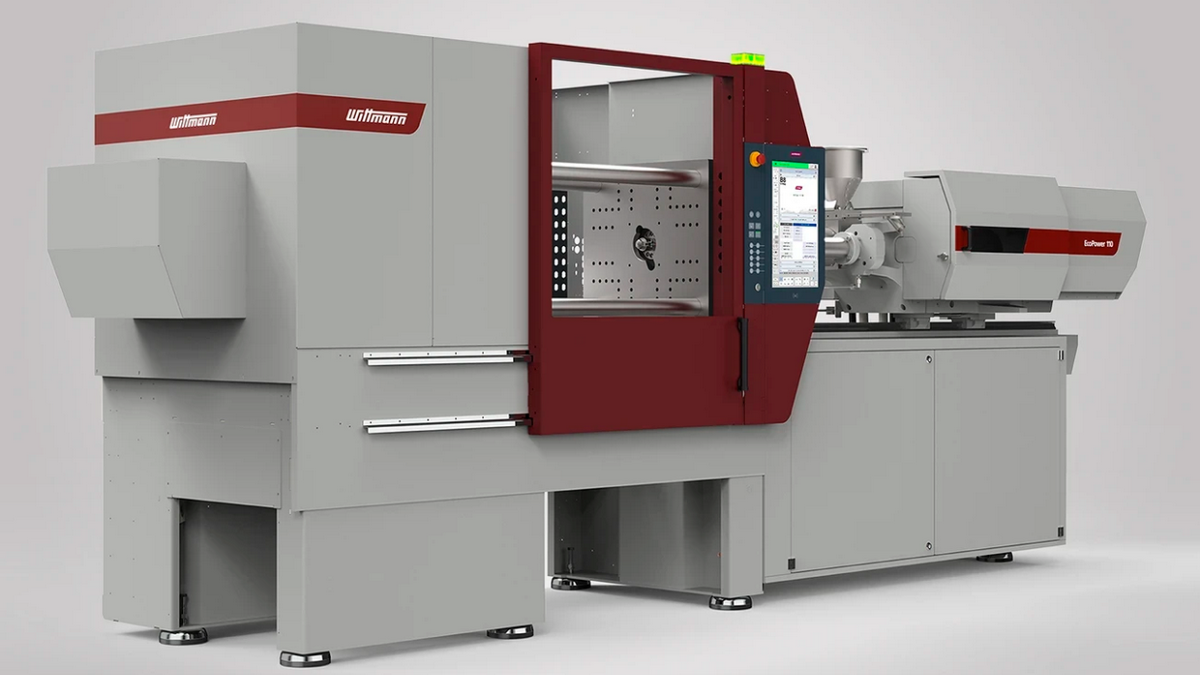
- investing in energy-efficient molding technologies
- reducing scrap through process optimization and closed-loop reuse
- partnering with suppliers knowledgeable in material science and regulatory compliance
These strategies help OEMs meet new global expectations while maintaining device performance.
Conclusion: Sustainability Is Becoming a Growth Driver in Medical Manufacturing
The shift toward environmentally responsible materials and manufacturing is reshaping how medical supply chains operate. Companies seeking global competitiveness must integrate ESG principles into material choices, production methods, and supplier partnerships.
Cambus Corporation, a specialist in precision medical plastic components, supports OEM/ODM companies with medical-grade material guidance, durable molding capabilities, and sustainability-aligned engineering assistance—helping customers stay competitive in an industry undergoing rapid transformation.