Modern respiratory care devices are no longer simple assistive tools. From resuscitators to anesthesia masks, today's devices prioritize patient safety, clinical efficiency, and ease of use. With innovations in design, integrated sensors, and smart monitoring, these devices help clinicians manage airways effectively, reduce complications, and improve treatment outcomes across hospitals, ICUs, and emergency settings.
Overview of Advanced Respiratory Care Devices
Precision Airway Management
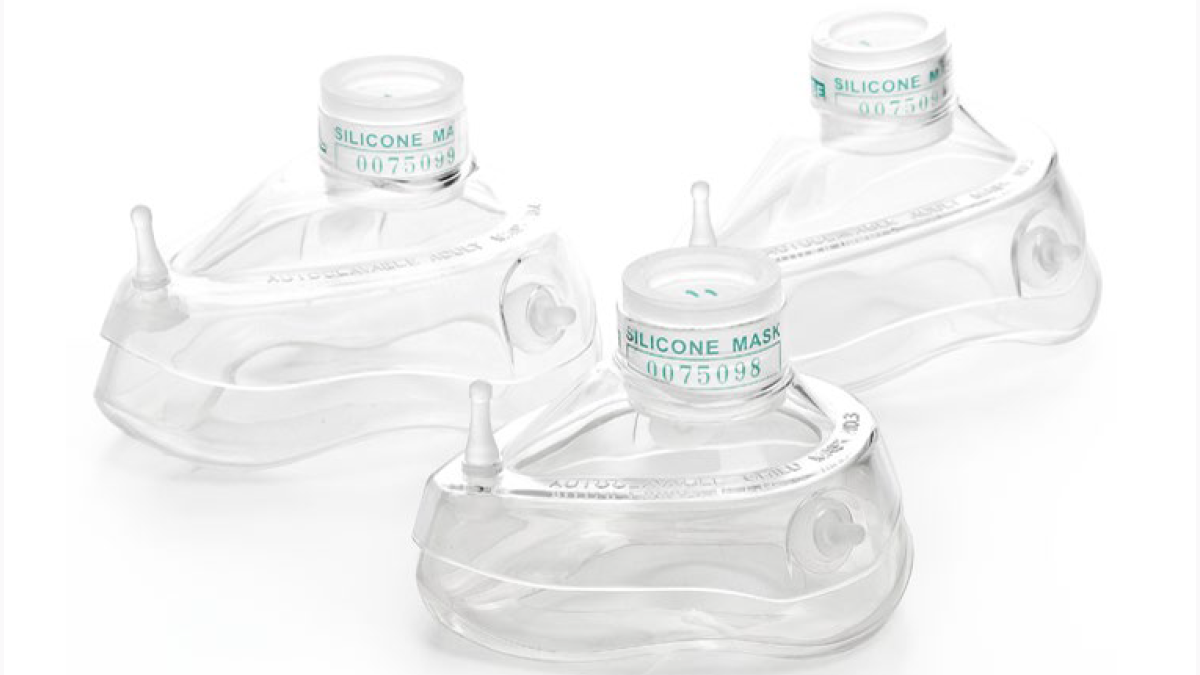
Resuscitators and anesthesia masks are designed to deliver accurate ventilation while minimizing risks such as over- or under-inflation. Integrated pressure and flow sensors provide real-time feedback, ensuring clinicians can respond immediately to patient needs. Closed suction systems enhance airway clearance while reducing exposure to infectious aerosols, improving safety for both patients and medical staff.
Patient-Centered Design
Devices are tailored for diverse patient groups, including neonates, adults, and the elderly. Ergonomic designs and soft mask materials improve comfort and treatment adherence, while lightweight equipment supports mobility in emergency care and home settings.
Infection Control and Safety Features
Many modern airway devices include aerosol containment and negative-pressure suction designs. These features help limit pathogen exposure during airway management, making them ideal for use in high-risk environments such as ICUs or operating rooms.
Product Features & Clinical Advantages
Integrated Monitoring and Feedback
Sensors embedded in resuscitators and anesthesia masks monitor airway pressure, flow rate, and oxygen delivery. This real-time monitoring helps clinicians maintain optimal ventilation parameters, reducing risks and supporting safer interventions.
Smart and Connected Solutions
Some devices can transmit key respiratory data for clinical review or integration with hospital monitoring systems. This supports coordinated patient care and allows clinicians to make informed decisions faster.
Versatility Across Care Settings
Advanced respiratory devices are designed for use in operating rooms, emergency departments, intensive care units, and home care. Versatile features like CPAP compatibility, oxygen therapy integration, and suction capabilities make them adaptable to a wide range of clinical scenarios.
Choosing the Right Respiratory Device
- Match Device to Patient Needs: Select equipment based on age, condition, and care environment. Neonatal and pediatric patients require specialized masks and suction devices, while adult ICU patients may benefit from integrated monitoring features.
- Prioritize Safety and Infection Control: Features like closed suction systems, negative-pressure masks, and aerosol containment help protect both patients and staff.
- Evaluate Ease of Use and Clinical Efficiency: Lightweight, ergonomic devices with clear indicators and intuitive interfaces reduce clinician workload and support rapid intervention.
- Consider Regulatory Certifications: Devices with ISO 9001, CE, or MDR compliance ensure safety, quality, and approval for international clinical use.
GaleMed Advanced Airway Management Solutions
GaleMed specializes in advanced airway management solutions that combine clinical precision, reliability, and usability. Our product range includes resuscitators, anesthesia face masks, and closed suction systems, all designed to meet the needs of diverse patient populations from neonates to adults. Key features include ergonomic designs for comfortable and secure airway sealing, integrated pressure and flow monitoring for safer ventilation, and advanced infection control mechanisms to minimize aerosol exposure. With international certifications such as ISO 9001, CE, and MDR, GaleMed products are trusted by hospitals and healthcare professionals worldwide for critical care, surgery, and emergency response.
Next Steps for Implementing Advanced Respiratory Care Devices
Modern respiratory care devices, from resuscitators to anesthesia face masks and closed suction systems, combine precision, safety, and clinical efficiency. By integrating advanced monitoring, patient-centered design, and infection control features, these devices support better outcomes, improve workflow for healthcare professionals, and enhance overall patient safety. Hospitals and clinics seeking reliable airway management solutions can use these devices to deliver safe and effective care while optimizing clinical efficiency.