As healthcare systems adapt to growing patient volumes, more tracheostomy patients are transitioning from intensive care units (ICUs) to step-down facilities, rehabilitation centers, and home care settings.
This segment expansion is fundamentally changing the market for airway management products. The shift not only increases overall demand but also redefines the criteria used for product selection. In a home care environment, tracheostomy solutions must flawlessly support everyday use outside the hospital, where daily routines, caregiver training levels, and immediate equipment access differ significantly from acute care settings.
For organizations expanding into this segment, the primary challenge is not simply expanding the volume of available products. The goal is to build a highly targeted tracheostomy portfolio that perfectly matches the practical, long-term needs of transitional and home mechanical ventilation. This includes prioritizing products that are inherently easier to use, designed for extended patient comfort, and fully compatible with reliable secretion management protocols in non-hospital environments.
Why Home Care Is Becoming a More Important Tracheostomy Segment
The accelerated growth of home-based respiratory care is closely linked to broader, systemic changes in global healthcare delivery. Modern healthcare models are increasingly focused on reducing hospital readmission rates, optimizing ICU bed utilization, and improving the overall quality of life for patients with chronic respiratory failure. Consequently, there is a strong drive to support earlier discharge and extend high-quality respiratory care directly into the patient's home.
Because of this shift, a larger demographic of tracheostomy patients is now receiving ongoing, daily care in environments where product simplicity, durability, and consistency are critical. This emerging trend creates a clear opportunity for market segment expansion. However, capitalizing on this shift requires a deep understanding of how the home care setting deviates from acute care. Products historically designed for fast-paced hospital workflows may not meet the expectations or practical limitations of daily home use, making a specialized product strategy absolutely essential.
What Changes When Tracheostomy Care Moves into the Home
In hospital settings, tracheostomy care is heavily supported by structured clinical protocols, continuous digital monitoring, and immediate access to central medical equipment. Conversely, in the home care environment, daily airway management relies heavily on repeatable routines, practical usability, and the competence of family members or visiting caregivers. This environmental shift drastically alters the baseline criteria for evaluating and selecting respiratory products.
The following table outlines several critical differences between hospital-based and home-based tracheostomy care environments that must be considered.
| Care Consideration |
Hospital Setting |
Home Care Setting |
| Care Environment |
Highly supervised with continuous clinical monitoring |
Routine-based, less centralized, and dependent on caregivers |
| Equipment Access |
Broad, immediate access to central medical supplies |
More limited, selective, and reliant on portable solutions |
| Product Handling |
Managed by medical staff within structured clinical workflows |
Must support straightforward, intuitive daily use by laypersons |
| Secretion Management |
Supported by unlimited central hospital wall suction systems |
Requires dependable, easy-to-use portable suction solutions |
| Product Priorities |
Acute performance, rapid deployment, and broad compatibility |
Usability, long-term comfort, and consistent durability over time |
Understanding these fundamental differences helps explain why the home care market requires a highly specific product approach. A simple extension of ICU-focused offerings will not suffice; the products must be intentionally suited for the realities of the home.
Core Product Requirements for Home Care Tracheostomy
To meet the demands of transitional and home mechanical ventilation, product portfolios must emphasize specific design and functional characteristics.
Prioritizing User-Friendly Design
In a home care setting, ease of use transitions from being a convenience to a strict practical requirement. Tracheostomy products must support clear, error-free handling during routine care, daily cleaning, circuit connection, and visual monitoring. Intuitive designs that reduce unnecessary mechanical complexity help make daily care far more manageable and significantly reduce the risk of user error in non-hospital environments.
Ensuring Patient Comfort for Longer-Term Use
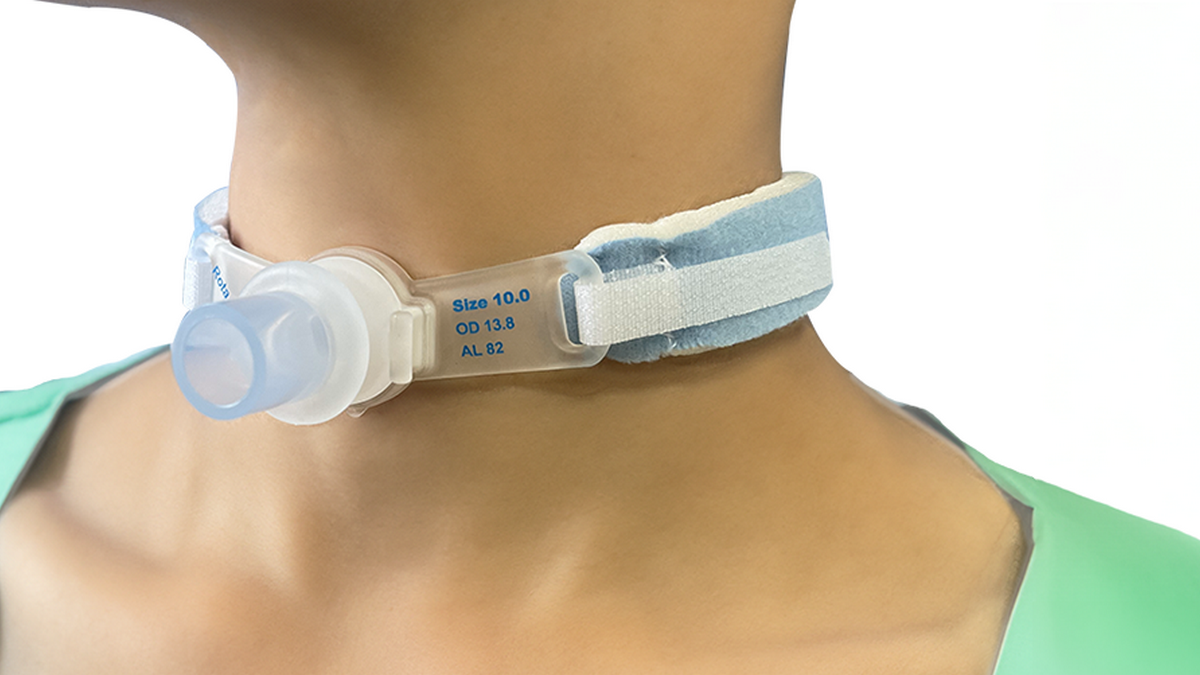
As patients spend extended months or even years outside acute care settings, physical comfort becomes a primary consideration in product selection. The material characteristics, flange flexibility, tube curvature, and cuff construction directly affect patient tolerance during ongoing use. For home care applications, products must be meticulously selected with long-term wear, reduced tissue irritation, and day-to-day practicality in mind, ensuring the patient's airway remains secure without causing unnecessary trauma.
Delivering Reliable Support for Mechanical Ventilation
For patients who continue to require mechanical ventilatory support after discharge, product reliability remains a life-sustaining essential. Tracheostomy tubes utilized in home mechanical ventilation (HMV) must provide stable, continuous performance without constant clinical readjustment. In these specific situations, unwavering consistency in product quality, secure connections to ventilator circuits, and strict manufacturing controls are critical parameters for evaluating a product line.
Facilitating Practical Secretion Management outside the Hospital
Secretion management is arguably the most intensive aspect of tracheostomy care in the home. Because limitless hospital wall suction is unavailable, portable, self-contained, or easily operable suction solutions become vital. Products in this category—including suction catheters and collection canisters—must be selected based on their mechanical reliability, ease of independent operation, and strict suitability for hygienic, routine use outside of standard institutional care environments.
How to Align Product Strategy with Market Expansion
To expand effectively and sustainably into the home care tracheostomy segment, any strategic planning must remain closely tied to actual, everyday care conditions. A carefully curated, focused portfolio is consistently more valuable than a generalized one, provided it directly addresses the most common functional requirements of transitional ventilation settings.
The table below summarizes how product and supply strategies can be aligned more closely with this prevailing market trend.
| Strategic Focus |
Recommended Direction |
| Portfolio Planning |
Prioritize tracheostomy products specifically tested and suited for long-term, home-based use. |
| Product Design |
Emphasize intuitive usability, ergonomic comfort, and simplified routine handling. |
| Ventilation Support |
Include robust products appropriate for the specific demands of transitional and home mechanical ventilation. |
| Secretion Management |
Integrate highly reliable, portable suction solutions designed exclusively for non-hospital environments. |
| Supply Strategy |
Collaborate with manufacturers that offer stable quality control and long-term research and development capabilities. |
This strategic approach keeps market expansion firmly connected to the real, clinical drivers of patient demand, ensuring that the home care segment is treated as a specialized care discipline rather than just a volumetric sales opportunity.
The Role of Advanced Manufacturing in a Changing Market
Addressing these evolving requirements depends heavily on material quality and specialized manufacturing standards. For long-term home care, cuff technology plays a critical role in minimizing tracheal wall trauma. Ultra-thin Polyurethane (PU) cuffs, for instance, allow for an effective, low-pressure seal within the trachea, reducing the risk of mucosal injury and micro-aspiration during extended wear compared to conventional materials.
Manufacturers like Vitaltec address these specific technical needs through dedicated production expertise in PU-cuffed tracheostomy tubes and comprehensive airway management solutions. By focusing on precision manufacturing and rigorous quality control, Vitaltec provides both OEM and brand partners with reliable, clinical-grade components designed to perform consistently in non-acute and home care settings.
Meeting the Needs of the Next Tracheostomy Care Setting
The transition of tracheostomy patients from intensive care to home-based support is reshaping the respiratory market. Success in this expanding segment requires a clear focus on the practical realities of home care: everyday usability, long-term patient comfort, reliable ventilation support, and dependable secretion management. By aligning product portfolios with these non-hospital requirements, organizations can better support the continuous evolution of respiratory care and deliver meaningful outcomes for patients outside the hospital setting.




(3796)(20260924)(原).jpg)
(4005)(20260924)(原).jpg)