Industrial motor efficiency directly affects a factory’s electricity use, carbon footprint, maintenance burden, and long-term operating cost. For factory owners, procurement teams, and equipment designers, choosing a more efficient gear motor or Brushless Motor is not only a technical upgrade. It is also a practical way to improve ESG performance, reduce energy waste, and strengthen return on investment. In most industrial facilities, motors are among the largest sources of electricity consumption. When motors run continuously in conveyors, packaging lines, automated machinery, food processing systems, and material handling equipment, even a modest improvement in efficiency can produce significant annual savings. That is why motor efficiency is increasingly linked to ESG strategy, cost control, and supply chain competitiveness.
Motor Efficiency and ESG Performance
Motor efficiency is the ratio between electrical energy input and useful mechanical output. The higher the efficiency, the less energy is lost as heat, friction, and unnecessary power draw. In practical factory terms, efficient motors help plants produce more output with less wasted electricity.
This matters to ESG because energy efficiency supports three business goals at once:
- Environmental: lower electricity consumption and lower indirect carbon emissions
- Operational: reduced heat, improved reliability, and more stable machine performance
- Financial: lower lifecycle cost, lower maintenance expense, and stronger payback
For manufacturers facing energy inflation, carbon reduction targets, and customer sustainability audits, motor upgrades are often one of the most achievable improvements on the factory floor.
The key point is simple: a factory does not improve ESG only through corporate reporting. It improves ESG when daily operating equipment uses less power, lasts longer, and creates less waste.
Why High-Efficiency Motors Matter in Industrial Facilities
In industrial operations, purchase price is only one part of the cost picture. The larger cost often comes from how much electricity a motor consumes over years of operation, how often it needs service, and how much downtime it causes when performance becomes unstable.
This is why high-efficiency motors matter.
1. They reduce electricity consumption
A more efficient motor converts more of the incoming power into useful motion. Less wasted energy means lower utility bills and better energy intensity per unit of output.
2. They reduce excess heat
Heat is often the visible sign of energy loss. Lower heat generation can improve component life, reduce thermal stress, and support more consistent equipment performance.
3. They improve production stability
Many industrial processes depend on stable torque and consistent speed. Better motor efficiency often comes with better control performance, which is especially important in automation and precision-driven applications.
4. They lower maintenance requirements
In particular, a Brushless Motor reduces wear associated with carbon brushes. This can help lower maintenance frequency and reduce unexpected interruptions.
5. They support audit-ready ESG improvements
Energy-saving equipment upgrades are easier to explain to management, customers, and auditors because they are linked to measurable operating improvements.
For procurement teams, the real question is no longer just “What is the purchase price?” but “Which motor delivers better total value across energy use, reliability, maintenance, and service life?”
IE Standards and Global Regulatory Pressure
International motor efficiency discussions often reference IE classes because buyers need a common framework for comparing efficiency expectations. While specific regional requirements differ, the broader market direction is clear: industries are under increasing pressure to reduce wasted power and improve equipment efficiency.
This trend is being pushed by several forces:
| Driver |
Why It Matters |
| Rising electricity costs |
Makes inefficient equipment more expensive to operate |
| Corporate ESG commitments |
Requires measurable energy-saving actions |
| Customer sustainability audits |
Pushes suppliers to show efficiency improvements |
| International market expectations |
Encourages alignment with recognized standards |
| Decarbonization strategy |
Makes equipment efficiency part of long-term planning |
For B2B manufacturers, this has a direct commercial impact. Buyers in export-oriented sectors increasingly prefer suppliers and equipment partners that can support energy efficiency, reliability, and lower carbon operations.
That is why teams evaluating motors should look beyond a single specification and review:
- actual load profile
- annual operating hours
- required torque and speed range
- maintenance interval
- fit with energy-saving targets
- lifecycle cost
A motor that appears cheaper upfront may become more costly over time if it consumes more electricity, generates more heat, or requires more frequent maintenance.
How Efficient Gear Motors Reduce Energy Costs
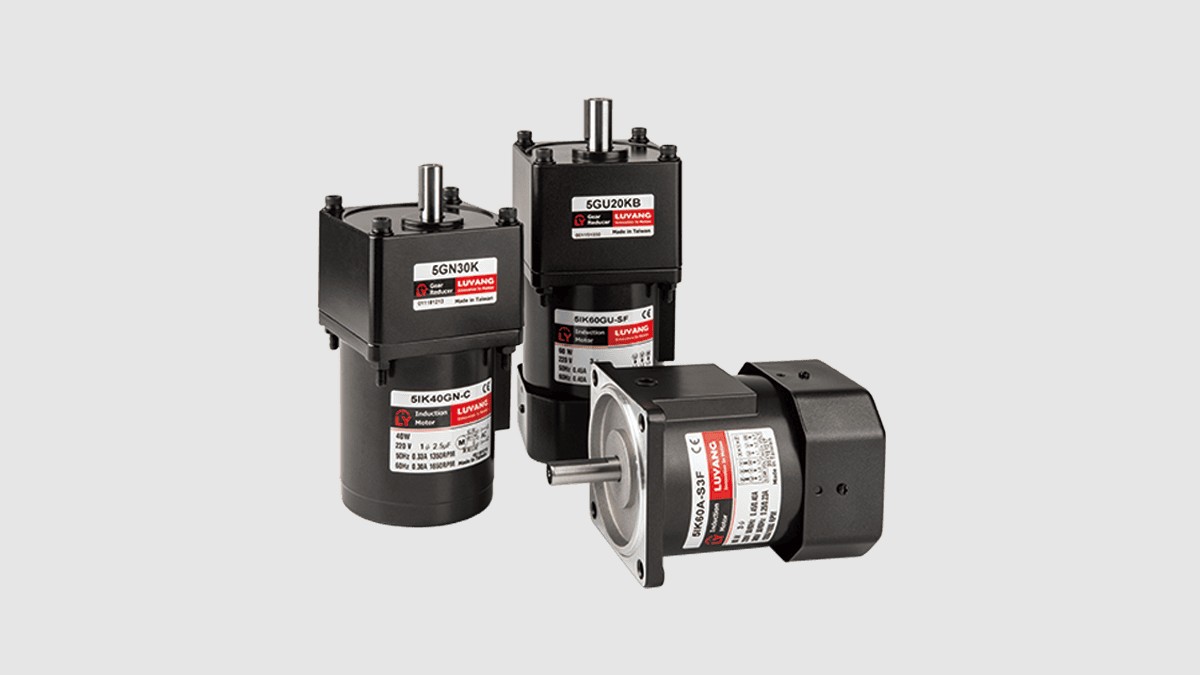
A gear motor is often selected because industrial machinery rarely needs raw motor speed alone. What the application actually needs is the right balance of output speed, torque, and control. This is where an efficient gear motor becomes valuable.
A well-matched gear motor helps reduce energy costs in several ways.
- Better matching between motor output and application demand
When the drive system is properly matched to the machine’s actual load, the system avoids wasting power through oversizing or unstable operation.
- Improved torque delivery for real-world conditions
Many conveyors, packaging machines, and material handling systems require reliable torque more than maximum speed. Gear reduction helps deliver the output the machine actually uses.
- Lower transmission losses
Good gearbox design and precise processing help reduce vibration, noise, and mechanical inefficiency.
- More stable continuous operation
Factories do not benefit only from lower electricity bills. They also benefit when motors help reduce stoppages, protect throughput, and maintain predictable machine behavior.
For example, if a packaging plant runs multiple conveyors and indexing systems for long shifts every day, inefficient drive systems can quietly increase power usage across the entire line. The effect may look small on one machine, but significant across the plant over a full year.
In simple terms, an efficient gear motor reduces energy cost not only by using power more effectively, but also by delivering the speed and torque that the application actually needs.
Brushless Motors for Low-Carbon Manufacturing
A Brushless Motor is increasingly associated with low-carbon manufacturing because it combines high efficiency, reduced friction loss, stable speed control, and lower maintenance demand. In many industrial applications, this makes it a strong choice for factories seeking practical energy-saving improvements.
According to the product information presented on Luyang’s website, brushless motor designs reduce the need for carbon brushes, improve service life, lower friction-related losses, and support environmental sustainability goals. The site also emphasizes stable torque, wider speed adjustment range, and suitability for applications such as automation equipment, packaging equipment, food equipment, storage conveyor systems, electric tools, and medical industries.
These strengths matter because low-carbon manufacturing is rarely achieved by one large action alone. It is usually built through many smaller operational improvements, such as:
- upgrading inefficient drive systems
- reducing maintenance-related waste
- lowering power loss in continuously running equipment
- improving process stability and control
- extending component life
For many factories, the appeal of a Brushless Motor lies in the fact that it can support energy efficiency, reliability, and flexibility at the same time.
ROI Calculator and Cost-Benefit Considerations
Energy-saving decisions are easier to approve when teams can quantify the return. That is why lifecycle evaluation is more useful than purchase-price comparison alone.
A simple ROI framework starts with this formula:
Annual Energy Savings = (Existing power consumption - New power consumption) × Annual operating hours × Electricity rate
Simple Payback Period = Total upgrade cost ÷ Annual savings
However, the real value usually extends beyond electricity savings alone.
| Evaluation Item |
Business Impact |
| Electricity savings |
Lower operating cost |
| Reduced maintenance |
Lower service labor and spare-part cost |
| Lower downtime risk |
Protects throughput and delivery performance |
| Better thermal performance |
Supports component life and system stability |
| Improved controllability |
Helps process consistency and product quality |
| ESG value |
Supports carbon reduction and sustainability reporting |
If a motor upgrade not only reduces electricity use but also lowers failures, cuts service needs, improves thermal behavior, and stabilizes output, its actual payback can be more attractive than energy savings alone suggest.
FAQ
1. How does motor efficiency affect ESG performance?
Motor efficiency affects ESG because efficient motors reduce electricity use, lower indirect emissions, and improve resource efficiency in day-to-day manufacturing.
2. Why is a gear motor important in industrial energy saving?
A gear motor helps match speed and torque to application demand, which can reduce wasted power and improve stable system performance.
3. What makes a Brushless Motor suitable for low-carbon manufacturing?
A Brushless Motor reduces brush-related friction and maintenance, often delivers higher efficiency, and supports longer service life and better energy performance.
4. Should procurement teams focus only on motor price?
No. They should evaluate lifecycle cost, including electricity use, downtime risk, maintenance cost, expected lifespan, and controllability.
5. Can efficient motors improve factory ROI?
Yes. In many applications, efficient motors improve ROI through lower electricity bills, lower maintenance expense, and reduced interruption risk.
6. Are efficient motors useful only for large factories?
No. Small and medium-sized factories can also benefit because energy and maintenance costs accumulate over time.
Conclusion
High-efficiency motors help factories move closer to three important goals at the same time: lower energy cost, stronger ESG performance, and better operational reliability. A well-selected gear motor can improve torque delivery and system efficiency, while a properly applied Brushless Motor can support low-maintenance, low-loss, and lower-carbon manufacturing.
For companies exploring practical drive solutions, Luyang Technology Co., Ltd. is relevant because its website presents long-term experience in gear motors, gear boxes, and brushless dc motor solutions. Founded in 1981 in Taiwan, Luyang highlights ISO 9001:2015 quality management, testing capability, OEM/ODM support, and product development for industrial applications. The company also describes its brushless motor offerings as high-efficiency, stable-torque, low-maintenance solutions that align well with modern energy-saving and sustainability expectations. Those interested in discussing application needs or procurement inquiries can contact Luyang today.


(4059)(20260924)(原).jpg)
(2367)(20260924)(原).jpg)