A practical overview of ingredient formats, supplier services, and sourcing considerations for beverage and food product development.
For beverage and food brands, fruit juice is not simply a flavor ingredient. It can influence taste, color, texture, sweetness, nutritional positioning, shelf-life expectations and even the final product’s regulatory classification. That is why choosing the right fruit juice supplier is often a more strategic decision than it first appears.
A professional supplier may provide much more than a catalog of orange, apple, mango, or berry products. Depending on the business model, suppliers can support brands with juice bases, concentrates, purées, formulation guidance, product consistency, documentation, packaging formats and supply planning. Understanding these offerings helps brand owners, R&D teams, procurement managers and food manufacturers make better sourcing decisions.
This guide explains what fruit juice suppliers typically provide, how different ingredient formats are used and what buyers should evaluate before selecting a partner.
What Fruit Juice Suppliers Commonly Offer
At the most basic level, fruit juice suppliers provide fruit-derived ingredients used in beverages, desserts, sauces, dairy applications, frozen treats, confectionery and foodservice products. These ingredients may be sold as single-fruit materials or blended solutions, depending on the intended use.
International standards distinguish among fruit juice, concentrated fruit juice, fruit purée, concentrated fruit purée and nectar-related products. Fruit juice may be directly expressed from fruit or produced from concentrate by reconstitution with potable water. Purées retain more of the fruit’s insoluble matter, while concentrates reduce water content to improve storage and logistics efficiency.
In practice, suppliers often provide several of the following:
| Ingredient Type |
Typical Characteristics |
Common Uses |
| NFC juice, or not-from-concentrate juice |
Single-strength juice with no concentration step |
Premium beverages, chilled drinks, juice blends |
| Juice concentrate |
Reduced water content, often easier to store and transport |
RTD beverages, syrups, bakery fillings, sauces |
| Fruit purée |
Thicker texture, more body, often with fruit solids |
Smoothies, yogurt drinks, desserts, ice cream |
| Blended fruit or vegetable bases |
Combined flavor profiles for specific applications |
Functional beverages, mixed juices, culinary products |
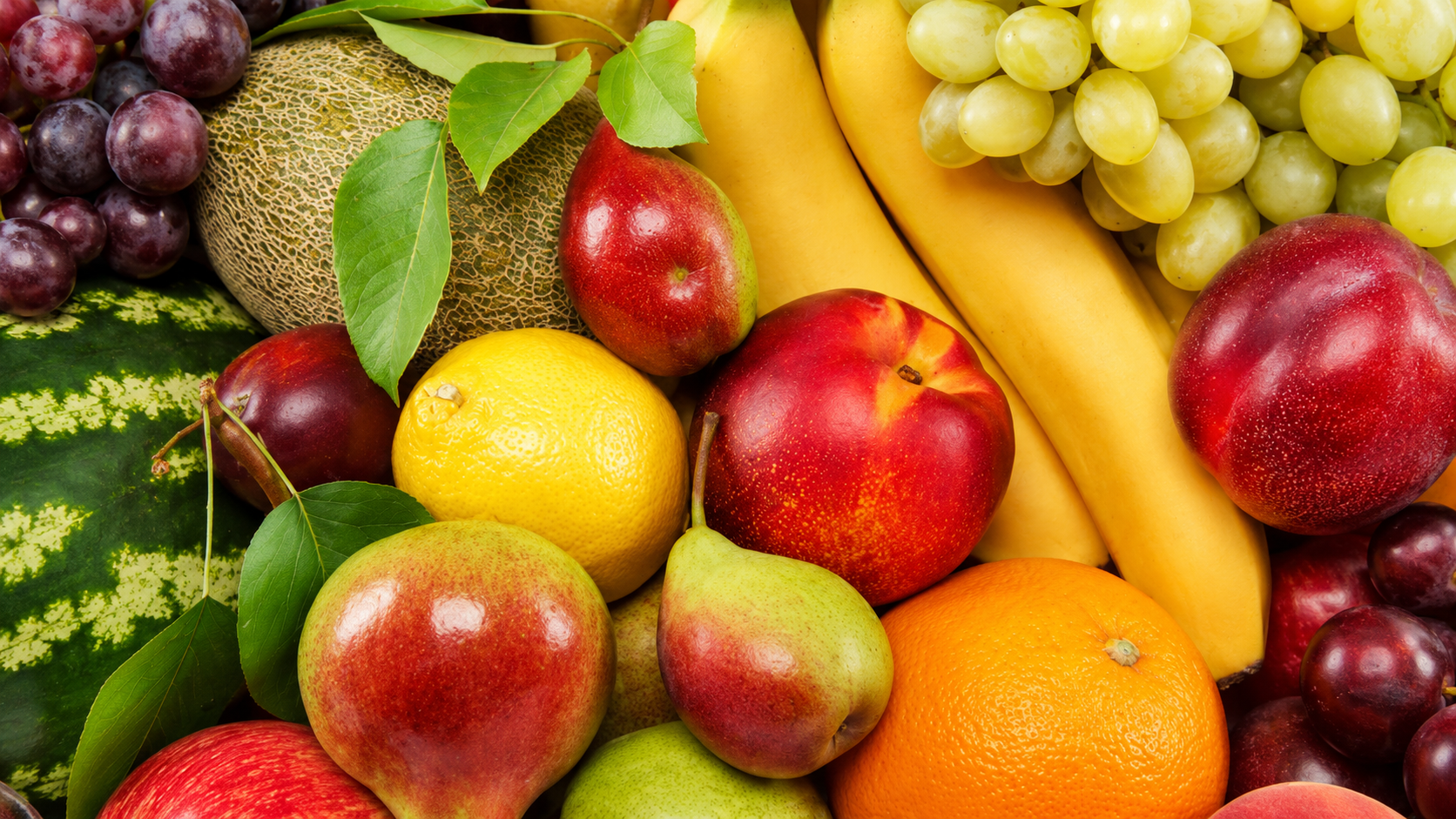
Many suppliers also maintain portfolios that cover mainstream fruits and more specialized options. For example, a fruit and vegetable juice category may include apple, banana, blueberry, calamansi, cherry, dragon fruit, grapefruit, guava, lychee, mango, mixed berry, mixed vegetable and orange options, giving product developers a broader palette for formulation work.
Ingredient Formats Matter More Than Buyers Often Expect
The same fruit can perform very differently depending on whether it is supplied as NFC juice, concentrate, or purée. A brand developing a clean-tasting sparkling fruit drink may prefer a lighter juice format, while a smoothie or fruit yogurt project may require purée for a more substantial mouthfeel.
Concentrates are particularly important in industrial production because they can reduce transport volume and offer practical advantages in bulk handling. However, they are not automatically “better” or “worse” than NFC products. The right choice depends on the product concept, target cost, sensory requirements, processing setup and labeling strategy.
From a technical perspective, parameters such as soluble solids, often expressed as °Brix, acidity, color, aroma and pulp level can all affect final formulation. Codex standards and industry guidance use compositional and quality criteria to help define authentic fruit juice products and support consistency across trade.
Quality, Safety and Documentation
Fruit juice suppliers are not only ingredient sellers; they are also part of a food safety and quality assurance chain. Buyers often need documentation that supports product development, compliance review and customer audits.
Typical documents may include product specifications, allergen statements where applicable, certificates of analysis, microbiological information, shelf-life guidance, storage conditions and declarations related to processing or composition. The exact package varies by supplier, market and product.
Food safety oversight is especially important for juice products. In the United States, FDA Juice HACCP guidance addresses hazard analysis and controls that may be necessary for juice processors. While regulatory requirements differ across countries, the broader principle is consistent: fruit juice ingredients should be sourced from suppliers that can explain their safety controls and provide suitable supporting records.
Authenticity is another important issue. Because fruit juices can vary naturally by growing region, climate and harvest season, quality evaluation often requires context rather than a single isolated figure. Industry references such as the AIJN Code of Practice exist to support the evaluation of identity, quality and authenticity in fruit and vegetable juices.
Support for Product Development
A capable supplier can contribute meaningfully during product development. This support may include recommending ingredient formats, helping match a target flavor profile, suggesting blending directions, identifying compatibility issues, or advising on practical dosage ranges.
For instance, a food brand may begin with a broad concept such as “tropical fruit beverage with a brighter aroma and balanced acidity.” A supplier familiar with fruit materials might suggest whether mango purée, passion-style blends, citrus notes, or a mixed tropical base would be more suitable. The supplier may also help determine whether the formula should prioritize flavor intensity, visual opacity, or cost efficiency.
This type of guidance is especially useful because fruit ingredients are rarely interchangeable on a one-to-one basis. Two materials with similar names may differ in Brix, aroma concentration, color, pH, sediment behavior, or texture. Therefore, reliable specifications and sample evaluation remain essential before scale-up.
Packaging and Supply Considerations
Fruit juice ingredients may be supplied in a range of industrial formats depending on volume and application. Examples can include bag-in-box, pails, drums, aseptic packaging, frozen formats, or larger bulk solutions. Selection often depends on shelf-life needs, storage infrastructure, production volume and whether the manufacturer wants ambient, chilled, or frozen handling.
Supply continuity is another factor. Fruit availability can be affected by harvest conditions, regional output and demand fluctuations. A supplier with a broader sourcing network or a wider fruit portfolio may be better positioned to help customers manage substitutions, reformulation decisions, or seasonal planning. Buyers should still avoid assuming unlimited availability; it is more realistic to discuss lead times, minimum order quantities, forecast expectations and backup options directly.
How to Evaluate a Fruit Juice Supplier
A practical supplier assessment should look beyond price per kilogram. Brands benefit from considering whether a supplier can support the full commercial journey, from concept testing to repeatable production.
Key evaluation areas include ingredient range, technical documentation, safety and quality systems, consistency between lots, responsiveness during R&D, packaging options, logistical reliability and willingness to discuss customization. For businesses operating across multiple markets, it may also be useful to ask whether the supplier understands different labeling and specification expectations in those regions.
A supplier does not need to be everything to every customer. However, the best fit is usually one whose capabilities align with the buyer’s actual product strategy. A beverage start-up needing formulation flexibility may value sample support and responsive technical communication. A large manufacturer may prioritize stable specifications, audit readiness and dependable bulk supply.
FAQ
1. What is the difference between fruit juice and fruit juice concentrate?
Fruit juice is typically a single-strength product obtained directly from fruit or reconstituted from concentrate. Concentrate has had some of its water removed, which can make transport and storage more efficient. The intended use, flavor target, cost structure and labeling plan all influence which format is appropriate.
2. Do fruit juice suppliers only serve beverage companies?
No. Their ingredients may also be used by food manufacturers in dairy products, bakery fillings, desserts, sauces, frozen products and culinary applications, depending on the format and technical suitability.
3. Why do buyers ask about Brix and acidity?
Brix relates to soluble solids, while acidity affects taste balance and formulation behavior. Together, they help manufacturers evaluate consistency, sweetness perception and how an ingredient may perform in a final recipe. Codex and industry guidance reference these parameters in juice evaluation.
4. Are NFC juices always better than concentrates?
Not necessarily. NFC products may fit certain premium or fresh-positioned concepts, while concentrates can be highly practical for industrial use and formulation flexibility. The better choice depends on the product objective rather than a universal ranking.
5. What documents should a brand request from a supplier?
Common requests include product specifications, certificates of analysis, storage instructions, shelf-life information, microbiological data where relevant and other regulatory or quality documents needed for the buyer’s market and application.
6. Can a supplier help develop a custom flavor blend?
Many suppliers can support blended solutions or recommend ingredient combinations, although the degree of customization varies. Brands should ask directly about formulation assistance, sample support and minimum order requirements.
7. How important is food safety compliance when sourcing juice ingredients?
It is fundamental. Juice products have recognized safety considerations and buyers should work with suppliers that can clearly communicate their controls, documentation and relevant quality systems.
Conclusion
Fruit juice suppliers provide far more than bottled flavor inputs. They help beverage and food brands access the right fruit formats, manage technical specifications, maintain quality expectations, navigate documentation needs and develop products that are commercially realistic. Whether a project requires apple concentrate, mango purée, citrus juice, or a more specialized fruit-and-vegetable combination, the supplier relationship can influence both product quality and operational efficiency.
For brands comparing fruit and vegetable juice options for future formulations, Yun Ding Food & Beverage offers a useful starting point for exploring available ingredient categories and potential sourcing directions.

(4059)(20260924)(原).jpg)
(2367)(20260924)(原).jpg)