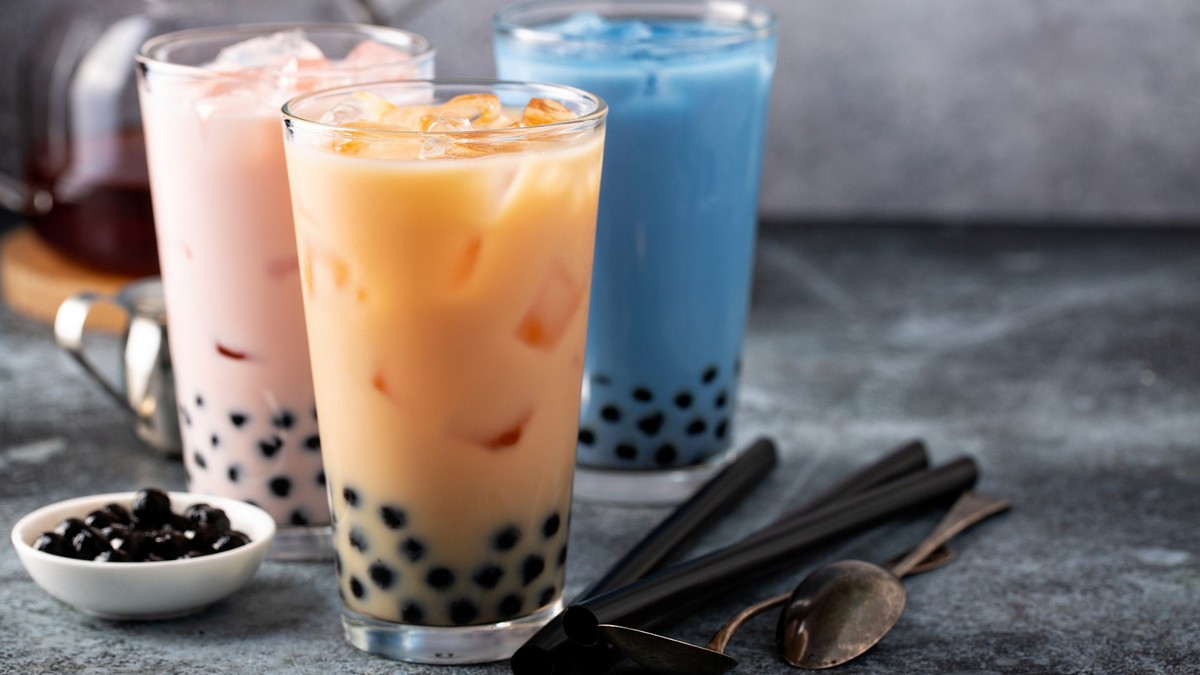
The global demand for bubble tea is driving stricter requirements for ingredient sourcing, making food certifications and Halal standards essential for market access. Suppliers of tapioca pearls, flavored syrups, and toppings must comply with recognized food-safety frameworks like ISO 22000 and FSSC 22000, while Halal certification ensures products meet Islamic dietary laws for Muslim-majority markets. Together, these certifications not only safeguard quality and safety but also enable manufacturers, café owners, and distributors to expand their reach with confidence when sourcing OEM/ODM bubble tea ingredients and other bubble tea supplies.
Certification as a Market Access Tool
In markets such as the Middle East and Southeast Asia, Halal certification is increasingly a prerequisite for bubble-tea ingredient imports. For example, the Gulf Cooperation Council (GCC) region is notable for its high growth rate in boba-based beverages, thanks in part to “increasing stringent halal labelling and food and beverages certification norms.”
At the same time, food safety certifications (e.g., ISO 22000, FSSC 22000) underpin global export viability by demonstrating process control, traceability and risk-management.
In combination, these certifications act as both trust signals and operational passports — opening more markets and strengthening supplier-buyer confidence.
Key Certifications for Bubble Tea Ingredients
For buyers and suppliers, understanding the main certification frameworks is crucial:
ISO 22000 – Establishes a food-safety management system that integrates HACCP principles, ensuring hazards are controlled from production to delivery.
FSSC 22000 – Builds on ISO 22000 with additional audit rigor and GFSI recognition, making it ideal for suppliers serving large retail chains and international markets.
Halal Certification – Confirms compliance with Shariah dietary laws, covering ingredient verification, production line segregation, storage, and handling processes.
Kosher Certification – Verifies that ingredients and processes meet Jewish dietary laws, helping brands cater to Kosher-aware markets and expand global reach.
Other Standards (e.g., BRCGS, SQF) – Focus on product safety, quality, and brand compliance, often required for supermarket-ready or multi-national café chain supplies.
Together, these certifications provide a clear framework for sourcing ingredients that are safe, compliant, and acceptable across diverse religious and regional markets.
What Buyers Should Ask Their Suppliers
When you’re sourcing OEM/ODM bubble tea ingredients or bubble tea supplies, make sure you cover:
- Certification proof: Ask for scanned certificates of ISO, FSSC, HACCP and Halal, with expiry dates and certifier credentials.
- Ingredient transparency: A detailed breakdown of all raw materials, additives, emulsifiers, stabilisers — to check for non-Halal or restricted substances.
- Process safeguards: How the supplier manages cross-contamination, shared lines (Halal vs non-Halal), cleaning procedures and storage.
- Supply-chain traceability: Ability to trace back to raw-material origins (e.g., cassava for tapioca pearls, milk powder, syrup concentrates).
- Export readiness: Logistics, documentation (COA, MSDS, export licences), and regional compliance (Middle East, Europe, North America).
Using this checklist ensures you’re sourcing ingredients that match not only your flavour/texture spec but also your regulatory and brand positioning requirements.
Five Key Suppliers Shaping the Certified Ingredient Ecosystem
Let’s look at five important players:
SunnySyrup Food Co., Ltd. (Taiwan)
Offers a wide range of bubble tea ingredients, including concentrated syrups, popping boba, and jellies. Certified with ISO, HACCP, Halal, and Kosher, meeting the needs of global markets. (sunnysyrup.com)
Zonegoing Food Manufacturer (China)
Provides one-stop bubble tea ingredient solutions, covering tapioca pearls, drink bases, and ready-to-drink products. Holds ISO 22000, HACCP, FDA, and Halal certifications, ensuring quality and export compliance. (zonegoingfood.com)
Qualitec Enterprise Co., Ltd. (Taiwan)
Specializes in OEM/ODM services for high-quality bubble tea ingredients. Certifications include ISO 22000, FSSC 22000, HACCP, DUNS, and Halal. (bubbletea.com.tw)
HWA-HON International Beverages and Ice Drinks (Taiwan)
Established in 2000, supplies premium tea leaves, bubble tea ingredients, shaved ice, and smoothie bases. Certified with HACCP, SGS, Halal, ISO, and FSSC, serving over 30 countries worldwide. (happy-168.com)
Empire Eagle Food Co., Ltd. (Taiwan)
Focuses on OEM/ODM services, offering Taiwan-origin tea, flavored syrups, and toppings. Holds ISO 22000, HACCP, and Halal certifications, delivering high-quality bubble tea ingredients to global customers. (bobaempire.com)
These suppliers not only provide diverse product options but also ensure compliance with international certifications, supporting global market access and brand credibility.
The Future: Trends That Matter
- Increasing consumer demand for plant-based, low-sugar or specialty toppings is driving innovation among certified suppliers.
- Certifications will continue to evolve: traceability technologies (blockchain, QR-code provenance) are gaining traction in Halal and food-safety realms.
- Regional differences matter: Halal standards vary by certifier and country, so understanding your specific market’s requirements is crucial
- Sustainability and ethical sourcing are increasingly woven into ingredient certification frameworks, adding a new layer beyond safety and halal.
Food Safety Compliance as a Growth Driver
Food certifications and Halal standards are more than compliance checkboxes — they actively shape the global bubble tea ingredients market. For buyers of OEM/ODM bubble tea ingredients, working with certified suppliers ensures not only consistent product quality but also smoother entry into Muslim-majority and international markets. As consumer expectations rise and regulations tighten, the combination of food safety, Halal compliance, and traceability has become a key driver of market growth, supplier credibility, and global expansion opportunities.