Sewing Challenges in the Era of Sustainability: Balancing Durability and Eco-Friendliness
Trend

Sewing Challenges in the Era of Sustainability: Balancing Durability and Eco-Friendliness

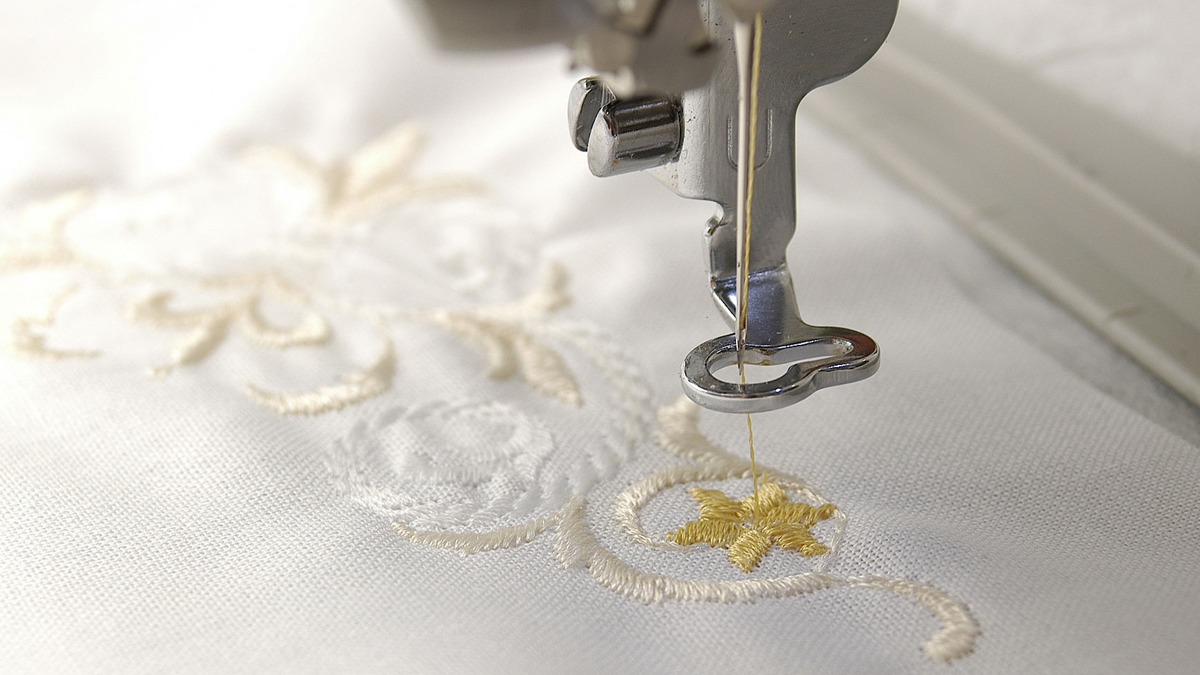
In discussions on sustainable textiles, sewing threads may seem insignificant, yet they play a crucial role. The material and production process of threads not only affect the durability of garments but also have long-term environmental impacts. In particular, under the influence of “fast fashion,” low-quality threads often break or fade easily, leading to garments being quickly discarded. In contrast, durable threads made from sustainable sources help extend the life cycle of clothing, reduce waste, and embody the concept of “slow fashion.”
Published: Aug 28, 2025
Sewing Challenges in the Era of Sustainability: Balancing Durability and Eco-Friendliness

Recycled Polyester Goes Mainstream: The Sustainable Evolution of Threads

In recent years, recycled polyester (rPET) sewing threads have gained rapid attention. These threads are typically made from recycled plastic products such as PET bottles, significantly conserving natural resources and reducing carbon emissions in the process. A&E Gütermann was among the first brands to launch rPET sewing threads, using its Micro Core Technology® to ensure both excellent sewability and environmental value.

Global textile brands have also joined this movement. Coats’ EcoVerde™ series and AMANN’s Saba Recycled line are both made of 100% recycled polyester and certified by OEKO-TEX® Standard 100 and GRS, guaranteeing safety and sustainability. AMANN has gone further with its Lifecycle series, achieving Cradle to Cradle GOLD certification, demonstrating circularity and long-term sustainability.

Natural and Emerging Fibers: Expanding Material Diversity for Sustainability

Beyond recycled threads, natural fibers such as organic cotton, linen, and bamboo fiber have long been considered eco-friendly options, though their use in sewing threads remains under exploration. In recent years, “plant-based” and “bio-based” alternatives have emerged. For instance, Spinnova’s wood pulp fiber technology uses a solvent-free, closed-loop process with recyclable and biodegradable properties, offering a promising direction for innovation.

At the same time, biotextile technologies are also showing potential. Fibers derived from microbial fermentation, for example, can be produced with low energy and water consumption, using raw materials sourced from agriculture or waste. Although such materials are currently costly and limited in supply, they showcase strong potential for future development.

Accessories and Craftsmanship: Reducing Waste Through Innovation and Sustainability

In terms of accessories, the industry is moving toward biodegradable buttons, plant-based zippers, and eco-friendly materials. Bamboo buttons, for example, have seen an annual growth rate of 12.8%, while many governments are beginning to mandate that garment accessories meet a minimum biodegradability threshold of 30%.

Craftsmanship is also evolving. Visible mending has become a trend in reviving sustainable practices—turning repair into decoration, making flaws part of the garment’s story, and encouraging consumers to extend garment lifespans and move away from fast fashion.

Moreover, precision cutting and waste reduction are being emphasized. Zero-waste design, efficient pattern layout, and fabric patchwork help improve raw material utilization while adding creative value.

Challenges and Strategies: The Road Ahead

Despite progress, sustainable sewing still faces several challenges. First, recycled and innovative materials generally cost more than traditional options, and the supply chain remains underdeveloped. Achieving scalability and supplier collaboration will be key to lowering costs. Second, new materials must be tested for abrasion resistance, tensile strength, and compatibility with sewing processes, requiring rigorous quality validation.

Additionally, blended fibers complicate recycling, making single-fiber designs a growing trend in circular fashion. Finally, designers and manufacturers need further education and training to work effectively with new materials and techniques. Tools, workshops, and awareness campaigns can significantly enhance sustainability consciousness across both industry and consumers.

Outlook: A Sustainable Blueprint for Future Sewing

The future of sustainable sewing and textiles can advance in the following directions:

  • Material Innovation:

    Accelerating research and development of bio-based fibers and recycled materials to achieve both performance and diversity.

  • Supply Chain Integration:

    Driving large-scale production and industry collaboration to lower costs and stabilize supply.

  • Education and Awareness:

    Strengthening sustainable knowledge among designers, manufacturers, and consumers, embedding sustainability into every stage.

  • Policy and Standards:

    Encouraging governments and industries to set sustainability standards, offer subsidies, and provide certifications to accelerate systemic change.


  • Published by Aug 28, 2025

    Further reading

    You might also be interested in ...

    Headline
    Trend
    Why U.S. and European Cafes Are Embracing Bubble Tea: Market Trends & Business Insights
    Over the past decade, bubble tea—once a niche Taiwanese beverage—has become a global sensation. What was once considered a novelty is now a mainstream beverage option in cafés, restaurants, and even hotels across the United States and Europe. The question many in the foodservice industry are asking is: Why are Western businesses adding bubble tea to their menus?
    Headline
    Trend
    Why Smart Factories Are Prioritizing High-Efficiency Oil Mist Filtration
    An analysis of how cleaner air leads to longer machine life and lower costs in the CNC industry.
    Headline
    Trend
    Navigating the Future: Taiwan's Lathe Industry in 2025 and Beyond
    Taiwan's lathe industry, a cornerstone of the global machine tool sector, is currently at a critical juncture. Known for its expertise in mid-to-high-end CNC lathes and multi-axis machining centers, the industry has a storied history of evolution and resilience. However, the late 2025 landscape is complex, demanding strategic agility to overcome intense international competition and technological shifts.
    Headline
    Trend
    2026 Precision Machining Trends- Essential Tools for Smart Manufacturing
    As we approach 2026, the precision machining industry is poised for significant transformation. The increasing demand for complex and high-precision parts has driven the adoption of smart manufacturing and automation technologies. In this article, we'll explore the top 5 trends in precision machining for 2026 and how SYIC is supporting the industry's evolution.
    Headline
    Trend
    The Application of Materials Science in Medical Device Manufacturing
    In the field of medical device manufacturing, materials science plays a central role, directly impacting the safety, durability, and clinical performance of equipment. With the rapid development of smart healthcare and precision medicine, the demands for material performance have become increasingly stringent, particularly in the areas of biocompatibility, antimicrobial properties, and lightweight design.
    Headline
    Trend
    Globalization and Steel-and-Glass Structures: Has the Architectural Divide Between East and West Disappeared?
    In the West, concrete is a symbol of strength and efficiency, yet in the hands of a Japanese master, it can become a vehicle for Zen philosophy. In Asia, bamboo is revered as a sustainable material, but in the West, it is being redeveloped into a high-tech, eco-friendly solution. This article will delve into why architects from the East and West, even when faced with the same materials, can create two completely different architectural identities. The root of this lies in a fundamental difference in philosophy: the Eastern focus on living in harmony with nature and the Western drive to challenge physical limits.
    Headline
    Trend
    Smart Breathing Masks: From Pandemic Essential to Intelligent Healthcare
    The evolution of healthcare is a continuous response to the needs of the times. Breathing masks, a medical consumable we once paid little attention to, are a concrete example of this transformative wave. They are shifting from being a cold, professional tool to a gentle companion infused with intelligence and human-centered care.
    Headline
    Trend
    Addressing Packaging Challenges Across Industries: Key Strategies for Food, Chemical, and Pharmaceutical Sectors
    Do different industries face the same challenges? While the products of the food, chemical, and pharmaceutical industries vary greatly, their packaging lines share a common set of core challenges: how to ensure quality and safety while balancing high efficiency and regulatory compliance. As a result, customized packaging solutions have become the mainstream. Packaging machines are no longer single-function devices for "capping and filling" but rather comprehensive systems designed to meet the specific regulations of each industry.
    Headline
    Trend
    The AI Revolution in Healthcare: Redefining the Future of Medicine
    The explosive rise of artificial intelligence (AI) is ushering in an unprecedented transformation within the healthcare industry. No longer just a data analysis tool, AI has evolved into a smart assistant capable of deep collaboration with human experts and even operating independently. From diagnostic assistance to personalized treatment plans, AI is making healthcare more efficient, precise, and accessible to every patient.
    Headline
    Trend
    Waterless Printing & Smart Tech: The New Eco-Standard for Label Printing
    As global expectations for environmental protection rise, both consumers and brands are placing greater emphasis on the environmental impact of a product’s entire lifecycle—from production to recycling. Labels and stickers, as common products in the printing industry, have traditionally relied on large amounts of water, solvents, and energy in their production processes, creating a significant environmental burden. Today, sustainable printing is no longer an optional add-on but a key strategy for building brand trust and enhancing market competitiveness. Brands with clear eco-friendly initiatives are more likely to gain favor from both policymakers and the market, positioning themselves at the forefront of the global sustainability trend.
    Headline
    Trend
    Modern Scaffolding: A Guide to Revolutionizing Construction Safety & Efficiency
    From the construction of the ancient pyramids of Egypt to the rise of modern skyscrapers, one crucial temporary structure has always played the role of an unsung hero: scaffolding. This support system not only provides a safe foothold for workers but has also continuously evolved from a simple framework into a highly efficient, precise, and intelligent engineering system.
    Headline
    Trend
    The Connection Between Medical Device Manufacturing and Machine Tools
    The medical industry is experiencing rapid growth, driven by an aging population, rising chronic diseases, and technological advancements. The demand for high-precision medical devices is increasing, requiring manufacturing processes that ensure safety, reliability, and performance. Machine tools play a critical role in meeting these stringent requirements, enabling the production of complex medical instruments with exceptional accuracy.
    Agree