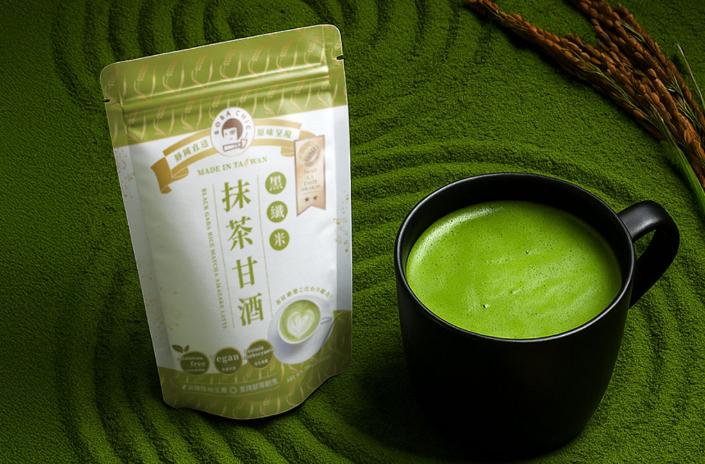
Health-focused reformulation, from bio matcha powder to fiber-enriched popping boba tea kit additions, is turning at-home bubble tea from an occasional treat into a repeatable category with real growth headroom.
What's Changing: From Occasional Treat to Everyday Category
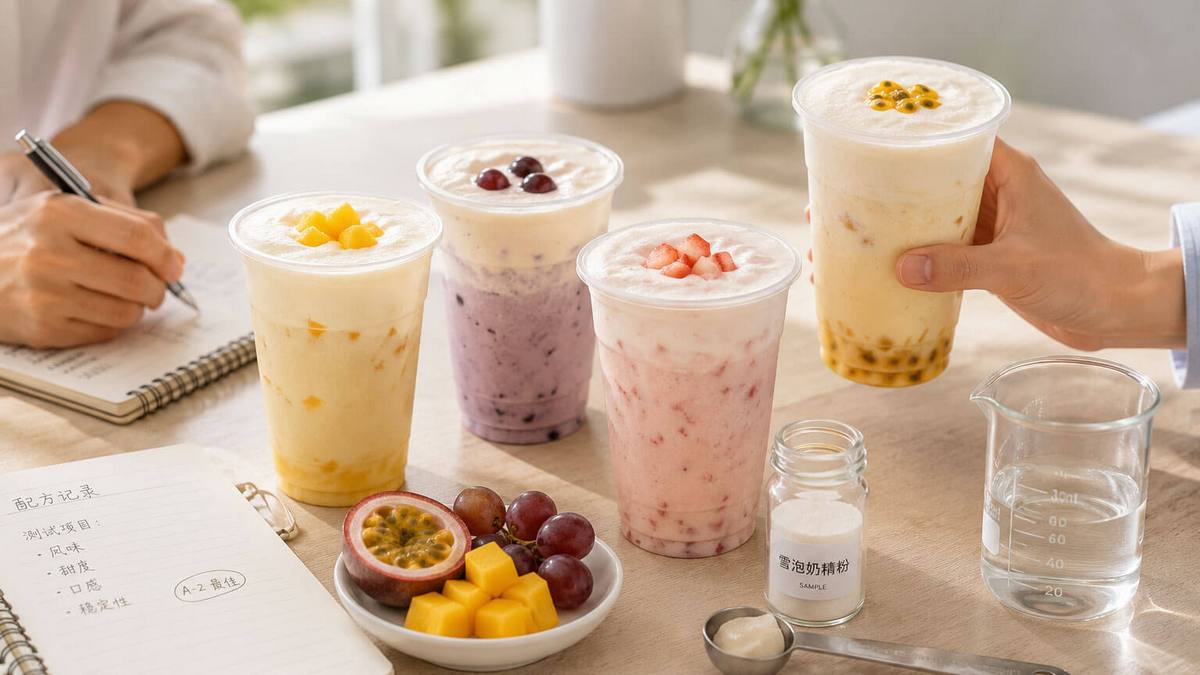
Bubble tea used to be a shop visit: a queue, a menu board, a cup handed over the counter. The at-home version of that experience, built around a taiwan boba milk tea kit or an instant bubble tea kit that a consumer mixes in their own kitchen, has grown from a pandemic-era substitute into a standing category with its own purchase logic. Consumers are not just replacing the shop trip anymore. Many are buying kits because the format lets them control sugar level, portion size, and ingredient mix in a way a counter order does not.
That shift lines up with two broader market movements. The global tea market was valued at roughly USD 74.0 billion in 2026 and is projected to reach USD 115.2 billion by 2033, growing at a compound annual rate near 6.5 percent, with functional and convenience positioning cited as a specific factor keeping the category growing rather than flattening out. At the same time, the functional beverage market, valued around USD 192.8 billion globally in 2026, is forecast to climb toward USD 326.5 billion by 2036. Those two curves, tea and functional drinks, increasingly overlap in the same shopping basket, and bubble tea kits sit right at the intersection.
Matcha is the clearest example of that overlap. It is a tea format that was already associated with calm energy and antioxidant content before "functional" became a marketing category, which makes it easier for a matcha bubble tea kit to carry a health narrative than a brown sugar or taro flavor built primarily around sweetness. Retailers and distributors sourcing for the at-home segment are increasingly asking not just "does this taste good" but "does this fit a wellness shelf," and matcha answers that question more naturally than most legacy bubble tea flavors.
Why Matcha Is Leading the Functional Shift
Matcha itself is not automatically a functional ingredient just because it is green and comes from tea leaves. The distinction that matters commercially is grade and processing. Ceremonial-grade matcha is stone-ground from shade-grown first-flush leaves, has a brighter color and softer bitterness, and is priced accordingly. Culinary-grade matcha, ground from later harvests, is more bitter on its own but blends well once mixed with milk, sugar, or other flavor components, which is exactly the context a bubble tea kit provides. Most matcha bubble tea kits on the market use culinary-grade matcha for this reason: the tea is a flavor and function carrier inside a mixed drink, not a standalone bowl of whisked tea.
The functional case for matcha rests mainly on two components: catechins (the antioxidant compounds concentrated in shade-grown tea) and L-theanine, an amino acid that is frequently cited for smoothing out caffeine's stimulant effect rather than eliminating it. That "calm energy" framing is a large part of why matcha has become a common base for better-for-you reformulations, including sparkling matcha waters and RTD functional drinks that did not exist in mainstream retail a few years ago. A bio matcha powder or healthy matcha powder claim usually points to two things buyers should check separately: whether the tea itself is grown without synthetic pesticide inputs (an agricultural claim), and whether the finished powder is free of bulking agents like maltodextrin or added sugar (a formulation claim). The two are not the same thing, and a kit can satisfy one without the other.
Beyond matcha, the functional beverage trend has pulled in a wider set of additions: prebiotic fiber, probiotics, and adaptogens are now common in RTD sodas and shots, and prebiotic-fiber sodas in particular have been one of the fastest-growing subsegments in the broader beverage market over the past two years. Bubble tea kits have been slower to adopt these additions directly into the tea base, partly because fiber and probiotic ingredients can affect texture and shelf stability in a powdered format, and partly because the category's strongest functional lever so far has been ingredient reduction (less sugar, cleaner tea) rather than ingredient addition. Where functional add-ins have found a home in bubble tea kits is at the topping level. A popping boba tea kit already introduces a burst-in-the-mouth fruit component that can be reformulated around fruit purée with less added sugar, and a cheese foam boba tea kit layers a savory-sweet cream cap on top of the tea that some manufacturers are now offering in lighter, lower-fat versions rather than the traditional cream cheese base. Cocktail-adjacent formats, including a cocktail popping boba kit or cocktail pearls kit designed for mocktails and low-alcohol drinks, are a related growth pocket tied to the broader sober-curious trend, where fruit-forward, low-sugar boba components substitute for syrup-heavy cocktail mixers.
What the Shift Means for Buyers and Manufacturers
For a retailer, distributor, or private-label buyer building out a bubble tea kit assortment, matcha and functional claims need to be evaluated on more than the flavor description. Three checks matter most in practice. First, matcha grade and origin should be stated clearly on the ingredient panel or spec sheet, since "matcha" without a grade reference is not a meaningful quality signal on its own. Second, solubility matters more for an instant bubble tea kit than for loose-leaf tea, because a matcha powder that clumps or sinks in cold milk creates a poor end-user result regardless of how good the tea itself is. Third, any functional or "bio" claim should be traceable to a specific certification, growing region, or lab specification rather than a general wellness label, since regulatory scrutiny of health claims on beverages has tightened in most major import markets.
A simple way to frame sourcing decisions is to separate matcha tiers by what they are actually suited for:
| Matcha Tier | Typical Use in Kits | Buyer Consideration |
| Ceremonial-grade | Premium single-origin matcha kits, higher price point | Best flavor and color, but bitterness masking is less needed, so sugar and milk ratios need adjusting |
| Premium culinary-grade | Mainstream matcha bubble tea kits | Balances cost and flavor; blends well with milk and sweeteners |
| Standard culinary-grade | Value-tier or large-format kits | Lowest cost, but flavor consistency across batches should be tested before committing to volume |
This kind of tiering also helps buyers manage expectations around the "healthy matcha powder" claim: a lower-grade matcha is not necessarily less "healthy" in catechin content, but batch consistency and additive-free formulation tend to correlate more with processing quality than with grade alone. For functional add-ins beyond matcha, the more reliable buying signal right now is packaging and format innovation (fiber-forward popping boba, lower-sugar cheese foam, fruit-based cocktail pearls) rather than claims of probiotic viability inside a shelf-stable tea kit, since live-culture stability is a harder technical problem to solve in a dry, ambient-stored format.
FAQ
Q: Is matcha bubble tea actually healthier than regular milk tea?
A: It depends on formulation, not just the presence of matcha. Matcha contributes antioxidants and L-theanine, but a matcha bubble tea kit can still carry as much added sugar as a classic milk tea if the sweetener ratio is not adjusted. The tea type is one variable; total sugar and milk fat content are separate variables that buyers and consumers both need to check.
Q: Can functional ingredients like probiotics or fiber actually work in a dry bubble tea kit?
A: Fiber-based ingredients hold up reasonably well in dry, shelf-stable formats and are already appearing in prebiotic sodas and some RTD teas. Live probiotic cultures are more fragile and generally need refrigeration or specialized encapsulation to survive storage, which is why most bubble tea kits marketed as "functional" today lean on fiber, matcha catechins, or reduced sugar rather than live probiotics.
Q: Why are cocktail-style popping boba and pearls kits growing as a separate category?
A: They sit at the intersection of two trends that are both expanding at once: at-home mixology and the sober-curious movement toward lower-alcohol or alcohol-free social drinking. A cocktail popping boba kit or cocktail pearls kit gives bartenders and home users a fruit-forward, lower-sugar alternative to traditional syrup-based cocktail garnishes, which is why the format has moved beyond bubble tea shops into bars and mocktail menus.
Conclusion
Matcha and functional ingredients are not replacing classic bubble tea flavors, but they are expanding what the at-home category can be. Matcha gives buyers a tea base that already carries a credible wellness association, which makes it easier to position a kit on a health-focused retail shelf without inventing a new ingredient story. Functional additions, from fiber to lower-sugar toppings, are following a similar path: adoption is fastest where the technical format allows it, which today means matcha reformulation and topping-level innovation more than direct fiber or probiotic addition to the tea base itself. For buyers assessing this category, the practical work is checking matcha grade, verifying that "bio" or "healthy" claims are backed by specific sourcing or lab data, and watching where topping formats like popping boba and cheese foam are being lightened up rather than assuming the whole kit category is uniformly moving in a functional direction. The category's growth trajectory looks durable because it is being pulled by two separate, well-documented market trends (tea and functional beverages) rather than a single flavor fad, which is a more resilient position for a still-maturing at-home format to be in.
BOBA CHiC is a Taiwan-based manufacturer of bubble tea kits, including a dedicated Bio Products line aimed at the same health-focused segment driving matcha demand. According to the company's own sourcing information, its tea ingredients carry production traceability back to a specific plantation address in Shuili Township, Nantou County, a recognized high-mountain tea growing area in Taiwan, with the company stating it partners with third-generation tea masters on tea-making technique and applies quality checks from cultivation through factory packaging and shipment. That kind of traceable, grade-conscious sourcing model reflects the same buyer questions, grade, origin, and formulation transparency, that matter most as matcha and functional ingredients continue to expand the at-home bubble tea category.



(3796)(20260924)(原).jpg)
(4005)(20260924)(原).jpg)