Why corrosion resistance, traceability, compliance, and removability are becoming important criteria in green building projects
Sustainability in construction is no longer limited to major structural materials, insulation, glazing, or energy systems. As green building standards and ESG requirements continue to influence procurement decisions, project teams are also examining the smaller components embedded throughout a building.
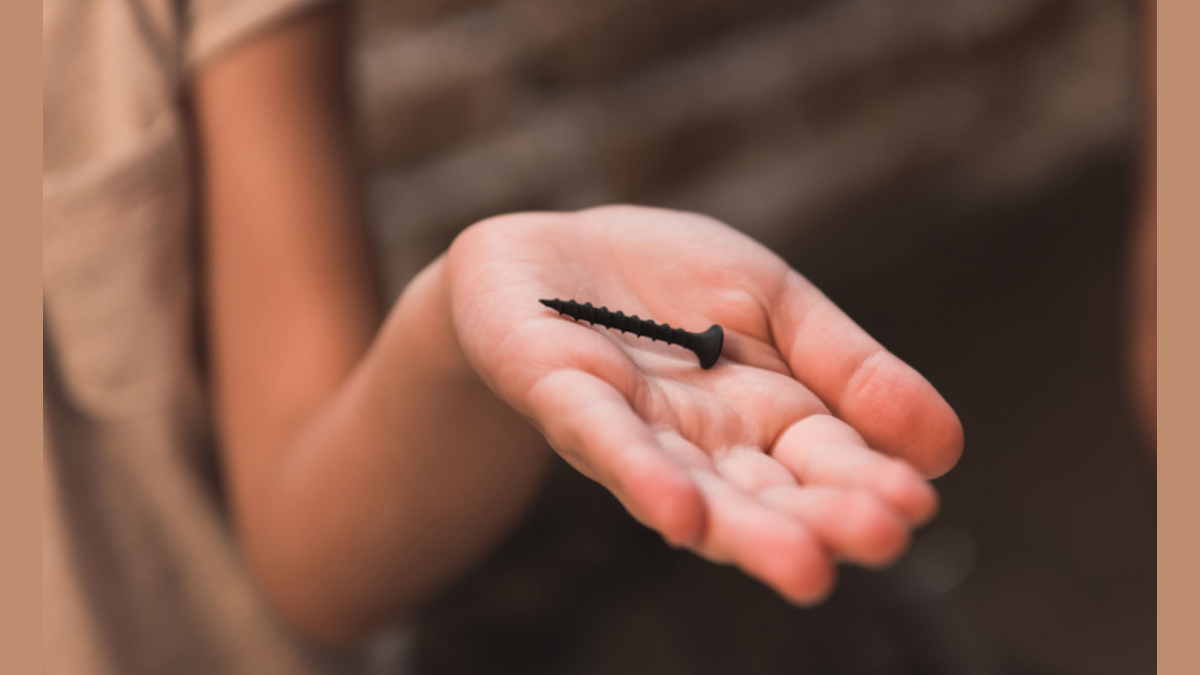
Fasteners are one example. Although construction screws represent only a small portion of a building system, their performance can affect installation efficiency, maintenance requirements, material waste, and the service life of connected components.
For developers, contractors, architects, and procurement teams, screw selection is increasingly becoming part of a broader lifecycle and responsible sourcing strategy.
Why Fasteners Matter in Green Building
A building may use sustainable materials, but its environmental performance can still be affected by premature component failure, difficult maintenance, or unnecessary replacement.
Construction screws can influence:
- The durability of roofs, façades, walls, flooring, and modular systems
- The frequency of maintenance and replacement
- The amount of waste generated during renovation or demolition
- The ability to disassemble and repair components
- Compliance with environmental and chemical regulations
- Installation efficiency on construction sites
When a project requires thousands or even millions of fasteners, small differences in product performance can become significant at scale. A screw that lasts longer, installs more consistently, or can be removed without damaging surrounding materials may help improve both operational efficiency and lifecycle performance.
Five Fastener Features Linked to Sustainability
1. Corrosion Resistance Can Extend Service Life
Construction screws used outdoors or in humid, coastal, or chemically exposed environments must withstand corrosion. Premature rust can weaken connections, damage surrounding materials, and lead to early replacement.
High-performance coatings and suitable material selection can help extend fastener service life. This may reduce:
- Replacement frequency
- Material consumption
- Maintenance labor
- Transportation associated with repair work
- The risk of system failure
For green building projects, durability should therefore be evaluated as part of total lifecycle performance rather than only through the initial purchase price.
2. Chemical Compliance Supports Responsible Sourcing
Environmental regulations are influencing the way construction hardware is specified and traded internationally. Buyers increasingly request information about surface treatments and restricted substances, particularly when products are supplied to regulated markets.
Hexavalent chromium-free treatments and RoHS-aligned material choices may help manufacturers and suppliers respond to environmental procurement requirements. However, buyers should verify relevant documentation, test reports, and regulatory scope rather than relying only on general sustainability claims.
For exporters, clear compliance records can also reduce uncertainty during supplier qualification and project approval.
3. Removable Fastening Supports Circular Construction
Circular construction principles emphasize repair, reuse, adaptability, and reduced demolition waste. In this context, removable fastening systems can provide an advantage over permanent or destructive joining methods.
A properly designed screw connection may allow project teams to:
- Replace damaged modules without removing adjacent materials
- Upgrade or reconfigure building components
- Conduct maintenance more efficiently
- Reduce waste during renovation
- Support the reuse of selected materials
This is particularly relevant to modular construction, prefabricated systems, temporary structures, and buildings designed for future adaptation.
4. Material Traceability Is Becoming More Important
ESG-focused buyers are increasingly asking where materials originate and how they are processed. Steel traceability, recycled content information, and lower-carbon material options may become important factors in tenders and supplier evaluations.
Traceable sourcing can help procurement teams assess:
- Potential embodied carbon
- Supply chain responsibility
- Consistency of material quality
- Readiness for future environmental reporting
- Alignment with corporate sourcing policies
Fastener manufacturers that can provide reliable material and production information may be better positioned to serve international customers with more demanding documentation requirements.
5. Packaging Also Affects Project Waste
The sustainability of a fastener product extends beyond the metal component itself. Construction projects can generate substantial quantities of packaging waste, including plastic bags, trays, and disposable containers.
Improved packaging design may help:
- Minimize unnecessary plastic
- Improve storage and handling
- Reduce damaged or mixed products
- Simplify sorting and recycling
- Support cleaner construction-site operations
For high-volume buyers, packaging specifications can be evaluated alongside product performance, delivery, and cost.
What Should Buyers Look For?
When evaluating screws for green building applications, procurement teams should consider a combination of technical, environmental, and operational factors.
| Evaluation Area |
Why It Matters |
Information to Request |
| Corrosion resistance |
Supports longer service life |
Coating specifications and test data |
| Installation performance |
Reduces labor time and installation errors |
Drive performance, thread design, and application data |
| Removability |
Enables repair and modular replacement |
Product design and maintenance suitability |
| Environmental compliance |
Supports responsible sourcing |
Compliance declarations and restricted-substance information |
| Material traceability |
Improves supply chain transparency |
Steel origin and recycled-content information |
| Packaging |
Reduces project-site waste |
Packaging materials and reduction measures |
The appropriate product will depend on the application, substrate, exposure conditions, load requirements, and project standards. Sustainability should not be assessed separately from engineering performance. A fastener that meets environmental expectations but fails prematurely may create greater material and maintenance impacts over time.
The Market Direction: From Unit Price to Lifecycle Value
The growing focus on ESG is changing the conversation between fastener suppliers and construction buyers. Price and lead time remain important, but they are increasingly being evaluated alongside durability, documentation, compliance, and total lifecycle cost.
A product with a higher initial unit price may offer better value if it reduces replacement, labor, maintenance, and failure risks. Conversely, a low-cost fastener may become more expensive over time if it requires frequent repair or creates installation problems.
This shift is particularly relevant in European construction markets, where buyers often place greater emphasis on environmental documentation, product testing, responsible sourcing, and long-term performance.
Asian manufacturers targeting these markets may need to strengthen not only product development, but also technical documentation and supply chain transparency.
Conclusion
Sustainable construction depends on decisions made throughout the building system, including the selection of small but critical components such as screws.
Fasteners can support sustainability when they provide reliable corrosion resistance, comply with relevant environmental requirements, enable future disassembly, use traceable materials, and generate less packaging waste. Their contribution may be modest at the individual-product level, but significant when applied across large construction projects.
As green procurement and ESG reporting continue to develop, fastener specifications are likely to become more closely connected with lifecycle value, responsible sourcing, and long-term building performance.
For companies seeking a reliable construction screw manufacturer, or looking for a customized screw designed for specific application, material, and performance requirements, Fong Prean Industrial Co., Ltd. provides construction screw and fastening solutions for international markets.
This article was adapted from content originally published by Fong Prean Industrial Co., Ltd. and rewritten for third-party industry media publication.