In physical product development, particularly for items in constant or dynamic contact with the human body, material selection directly dictates user comfort, performance, and safety.
Historically, achieving structural rigidity required dense materials, forcing a difficult compromise between reliable physical support and user fatigue. Today, the design focus has shifted toward ergonomic optimization. Engineered plastic composite boards are replacing legacy materials, offering a scientifically balanced approach to solving the persistent dilemma between high structural support and low physical mass.
The Dilemma of Support Versus Weight in Product Design
When products interact directly with human biomechanics, every ounce of excess mass exponentially increases energy expenditure. Heavy structural components in wearable gear or manually handled equipment lead to accelerated musculoskeletal strain over time. However, simply removing material or using standard, unreinforced plastics is not a viable solution. If a material is too light and lacks a high flexural modulus, it fails to provide the necessary torsional stability and load-bearing capacity, which can lead to physical discomfort or sudden product failure under stress.
Overcoming this engineering bottleneck requires materials that deliver high tensile strength and impact resistance without the density of metal alloys or solid wood. Advanced polymer composite structures solve this by providing targeted rigidity. This allows product developers to prioritize human ergonomics and long-term usability without sacrificing fundamental safety parameters.
Overcoming Material Limitations in Three Key Applications
The transition toward lightweight composites is highly visible across sectors that demand a seamless integration of mechanical strength and human interaction. In the following three applications, substituting traditional heavy materials directly mitigates physical fatigue and enhances overall efficiency.
Shoe Midsoles: Minimizing Foot Fatigue and Maintaining Arch Support
Occupational footwear, hiking boots, and athletic shoes require rigid internal structures to provide arch support and torsional stability. Traditionally, steel shanks were embedded into midsoles to achieve this necessary rigidity. While effective for puncture resistance, metal components add significant mass, directly contributing to lower-body fatigue during prolonged periods of standing or walking.
By integrating engineered plastic composite boards, footwear maintains essential structural support at a fraction of the weight. These composite midsoles provide practical flexural memory, adapting naturally to the biomechanics of the foot. This flexibility yields better kinetic energy return during movement and eliminates the physical drag associated with heavy metal inserts, significantly reducing daily foot and joint strain.
Medical Devices: Reducing Physical Strain During Patient Care
In the healthcare sector, equipment such as patient transfer boards, orthopedic braces, and rehabilitative splints must support human body weight reliably. Utilizing heavy metals for these devices increases the physical burden on patients and healthcare providers during daily maneuvering. Wood is universally disqualified due to its porous, non-hygienic nature.
Engineered plastic composite sheets provide a pragmatic ergonomic and hygienic solution. They are radiolucent (compatible with X-ray imaging), completely non-porous to withstand rigorous chemical sanitation, and incredibly lightweight. This material profile allows for the creation of thermoformed, body-contoured medical aids that drastically reduce physical exertion during patient handling while maintaining structural integrity.
Sports Equipment: Maximizing Agility and Impact Absorption
Performance sports gear, including protective body inserts, snowboards, and dynamic aquatic equipment, must withstand high-impact kinetic forces while enabling maximum human agility. Legacy materials like laminated wood are highly susceptible to moisture intrusion and warping, while dense metals severely restrict speed and natural maneuverability.
Plastic composite boards function efficiently in these high-stress environments by offering steady shock absorption and waterproofing. The high strength-to-weight ratio ensures that sports equipment disperses impact energy, protecting the user's body from blunt trauma. Concurrently, the reduced mass allows for rapid, unencumbered movement, keeping athletes agile and responsive.
Bridging Concept and Production: Manufacturing Advanced Composites
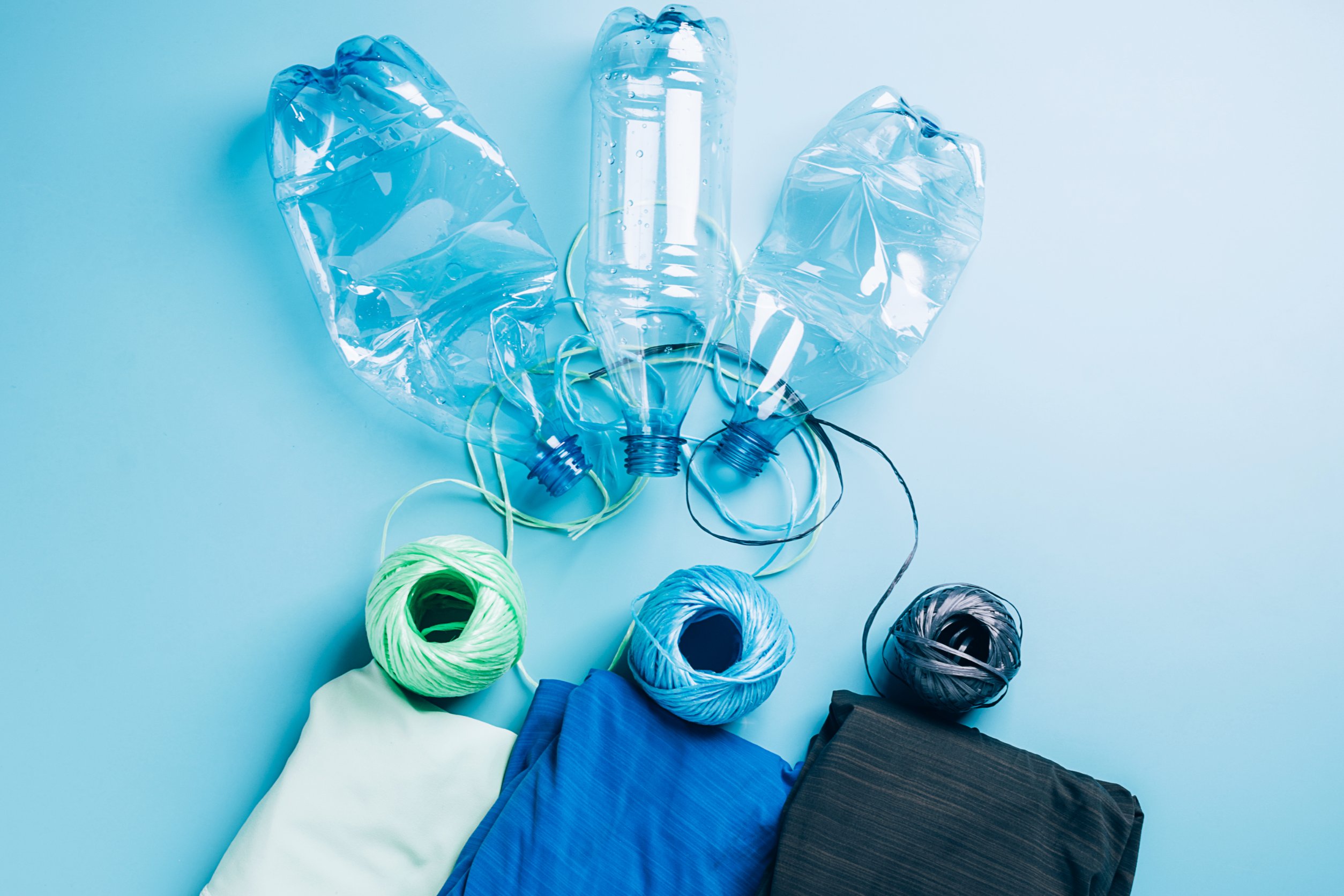
Translating theoretical material benefits into commercial products requires highly controlled manufacturing processes. Manufacturers like Ying Pao Chia approach this transition by utilizing proprietary methods, such as their BI-FIT™ technology, to engineer advanced polypropylene (PP), polyethylene (PE), and one-piece composite boards. Rather than standard plastic extrusion, this specific technique physically bonds polymers with reinforcing fabrics during production. The result is a composite structure that maintains high impact resistance and deformation resistance at a significantly lower weight.
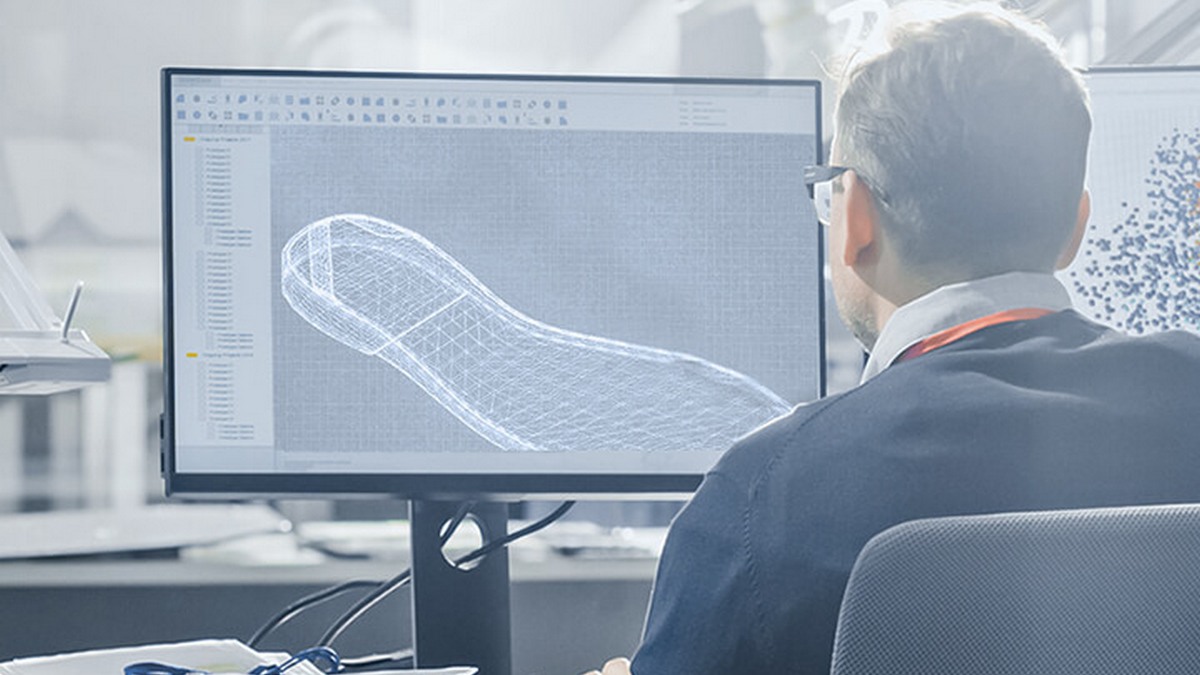
For original equipment manufacturers in the footwear, medical, and sports sectors, moving from an initial concept to mass production involves navigating strict physical requirements. Facilities equipped to handle the entire progression—from material formulation and 3D structural drawing to precision mold making, prototyping, and physical testing—enable product developers to customize board dimensions and performance metrics. This ensures the final composite materials meet the exact ergonomic and environmental specifications required for the end product.
Shaping the Future of Ergonomic Product Development
As modern product design continues to prioritize human biomechanical efficiency, relying on dense, restrictive materials is becoming obsolete. Engineered plastic composite boards have proven to be a highly effective structural alternative for shoe midsoles, medical devices, and sports equipment. By utilizing advanced composite technology, product developers can successfully resolve the historical dilemma between physical weight and structural support, ensuring the delivery of specialized products that withstand rigorous physical demands while actively supporting user comfort and mobility.



(3796)(20260924)(原).jpg)
(4005)(20260924)(原).jpg)