What semiconductor equipment buyers can explore across Taiwan’s machine tool ecosystem
Published: Nov 20, 2026
Photo by https://www.semi.org/en/semi-press-release/global-semiconductor-equipment-sales-forecast-to-reach-a-record-229-billion-dollars-in-2028-semi-reports
Semiconductor Equipment Needs More Than Chipmaking Technology
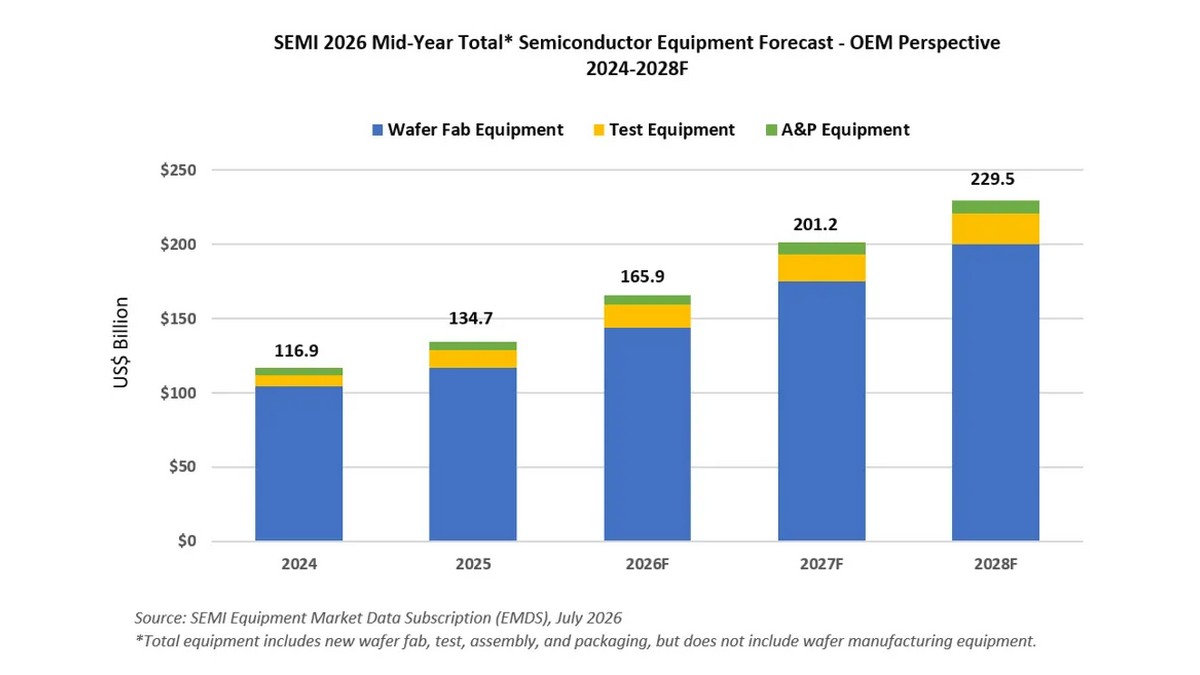
Investment in semiconductor manufacturing equipment is expected to continue growing. SEMI forecasts that global sales of semiconductor manufacturing equipment by original equipment manufacturers will reach US$165.9 billion in 2026 and US$229.5 billion in 2028, supported by investment in areas including leading-edge logic, advanced memory, testing, and packaging. These figures describe the semiconductor equipment market; they do not measure demand for machine tools.
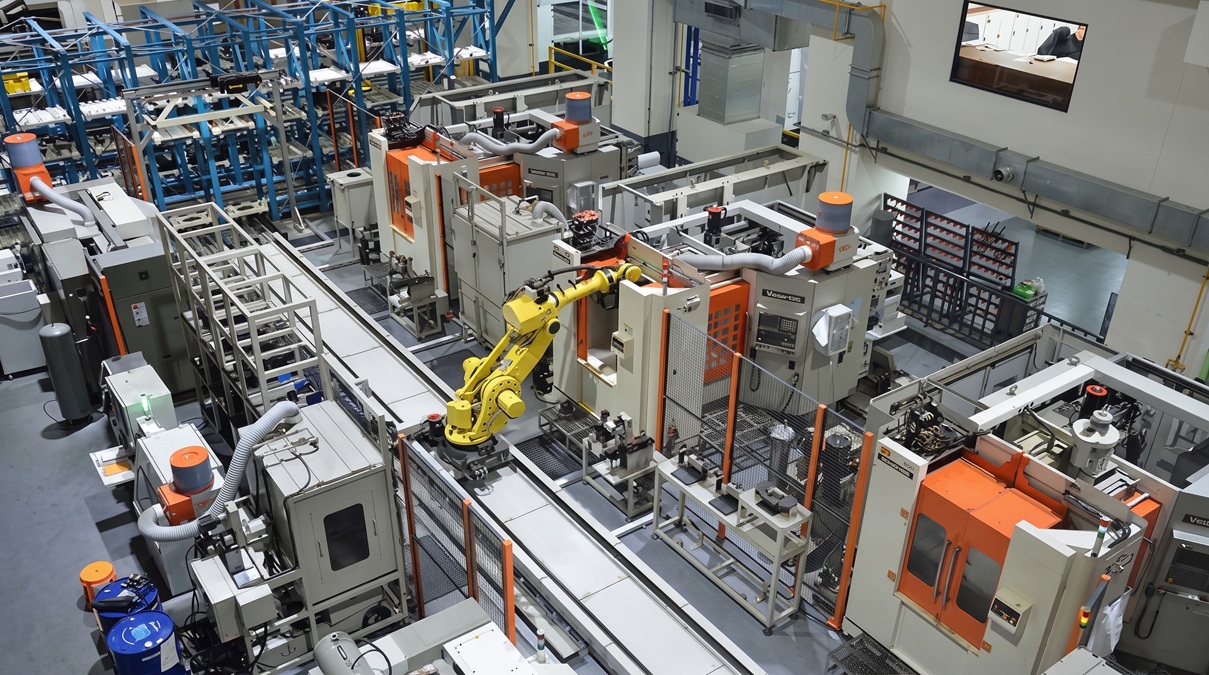
For equipment makers, however, the production challenge extends beyond the process tool itself. Equipment also depends on precision-built structures, components, and modules that must perform consistently within demanding manufacturing environments. The Taiwan Machine Tool & Accessory Builders’ Association (TMBA) has highlighted requirements such as machining precision, material handling, thermal stability, and equipment reliability in its discussion of semiconductor equipment needs.
This creates a practical sourcing question for equipment manufacturers: where can they explore the manufacturing capabilities that may support the production of equipment structures, parts, and modules?
From Buyer Requirements to Manufacturing Capabilities
Turning an equipment requirement into a sourcing plan starts with identifying the part, process, or production challenge involved. Depending on the application, buyers may need to explore several types of manufacturing capability:
Machining capability: machine tools and processes suited to the part’s material, geometry, precision requirements, and production volume.
Components and systems: machine tool components, hydraulic and pneumatic components, electronic controls, drive systems, and auxiliary equipment.
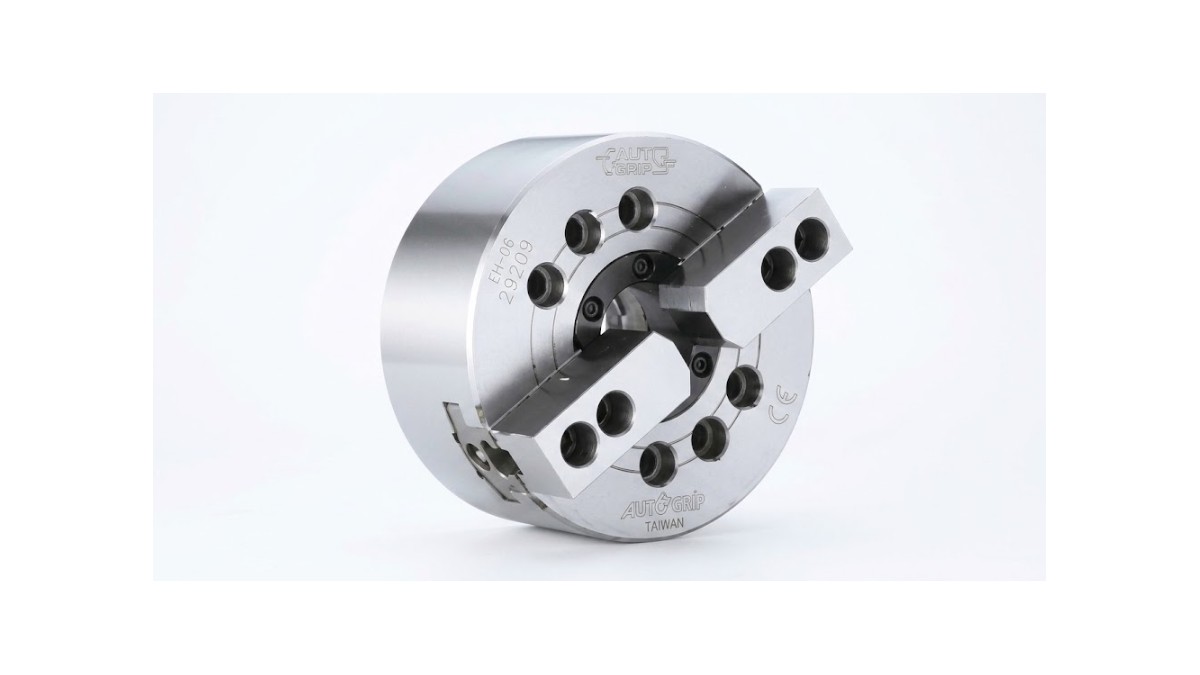
Process support: cutting tools, toolholding and workholding devices, measuring equipment, and quality assurance capabilities.
Automation and software: smart manufacturing systems, industrial robots, controllers, and related CAD/CAM software.
These categories can help buyers organize their search, but they do not by themselves establish that a supplier serves semiconductor applications. Buyers should confirm each company’s relevant experience, technical fit, quality processes, and ability to meet their specific requirements.
What Buyers Can Explore at TMTS 2028
TMTS is a broad machine tool exhibition, not a semiconductor-only show. Its official display categories include metal-cutting and metal-forming machine tools; machine tool accessories and components; hydraulic and pneumatic components; electronic control and drive systems; cutting tools; measuring systems and quality assurance; and smart manufacturing systems, including industrial robots and related software.
For semiconductor equipment buyers, this range offers a way to explore capabilities across connected parts of the manufacturing ecosystem. A buyer looking for a precision-machined component, for example, may also want to understand the available tooling, workholding, measurement, or automation capabilities involved in producing it consistently.
The value of the exhibition lies in helping buyers identify relevant capability areas and begin conversations with potential suppliers. It should not be taken to mean that every exhibitor has semiconductor experience or that the exhibition endorses any particular company.
How to Prepare for Supplier Discussions
Buyers can make supplier conversations more useful by preparing a clear description of the part or process they need to source. Before the show, consider documenting:
The part family, module, or manufacturing operation involved.
The material, geometry, precision, and repeatability requirements.
Expected production volume, delivery needs, and service requirements.
Any quality, inspection, documentation, or integration requirements that apply.
At the exhibition, buyers can use these requirements to ask consistent questions across supplier conversations. For example: What similar parts or processes has the company handled? Which operations are completed in-house? How are quality and repeatability checked? What production volumes and lead times can it support?
After the show, buyers can compare the information gathered and proceed with their own qualification process, such as reviewing technical documentation, discussing sample parts, or confirming quality and delivery requirements. An exhibition conversation is a starting point for evaluation, not a substitute for it.
A Platform for Discovery, Not Endorsement
Semiconductor equipment supply chains depend on capabilities that span machines, components, controls, measurement, and manufacturing processes. For equipment makers seeking new partners, exploring these capabilities together can help clarify where a supplier may fit—and what questions need further investigation.
TMTS 2028 provides an opportunity to explore Taiwan’s machine tool and related manufacturing ecosystem and begin those conversations. The show is scheduled for March 28–31, 2028, at the Taichung International Convention and Exhibition Center (TICEC).
For buyers, the next step is to bring specific requirements, compare relevant capabilities, and qualify potential partners against their own technical and business needs.
Learn what buyers should check when importing a vertical knee milling machine, including EU CE requirements, U.S. OSHA and NRTL considerations, machine guards, emergency stops, customs documents and pre-shipment inspections.
The global factory index climbed to a three-month high in August, but the gains were uneven: Europe accelerated, US demand cooled, China stayed just below the growth line, and input prices remained high almost everywhere.
From Counter-UAS and airspace awareness to Taiwan-based drone OEM assembly, XPONENTIAL Europe 2027 highlights the integrated technology and manufacturing ecosystem shaping the future of airport security.
The business case is simple: when shooters spend less time waiting and more time receiving useful feedback, a range can improve both capacity and customer loyalty.