Knowledge

Die Casting Vs. Forging: How To Choose Based On Strength, Geometry, And Volume

Choosing between die casting and forging affects far more than part cost. It influences structural performance, design flexibility, tooling strategy, machining requirements, lead time, and long-term production efficiency. When the wrong process is selected too early, projects often run into redesigns, extra machining, or higher-than-expected production costs. The right decision depends on how much strength is required, how complex the part geometry is, and whether the target is lower-volume production or stable high-volume output.
Published: Apr 20, 2026
Die Casting Vs. Forging: How To Choose Based On Strength, Geometry, And Volume

Why Process Selection Matters Early In Product Development

Process selection should happen early because it directly shapes the design path. A part intended for forging is usually developed differently from one intended for die casting. Wall thickness, corner transitions, draft, tolerances, and finishing requirements all change depending on the manufacturing route.

Early alignment also improves cost planning. Tooling investment, material utilization, production speed, and downstream operations become easier to estimate when the manufacturing logic is defined at the beginning. In many cases, cost overruns come from choosing a process that does not fit the geometry or production target.

How Die Casting And Forging Differ In Manufacturing Logic

Die casting and forging are built on very different production principles.

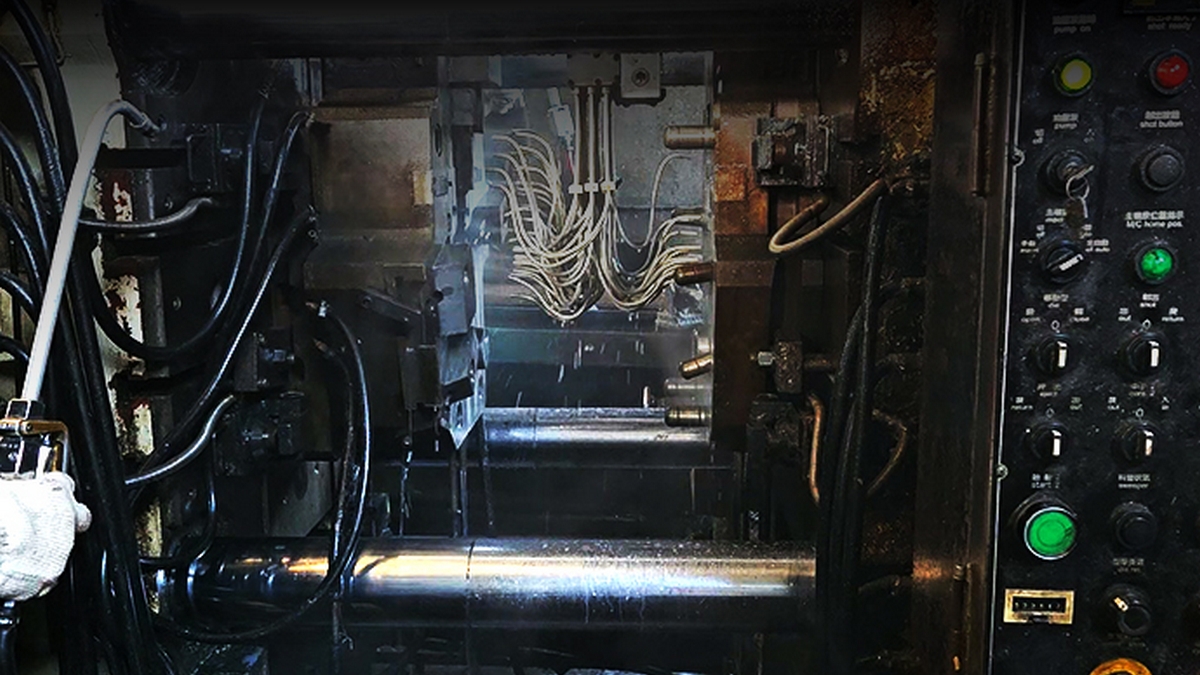
Die casting forms parts by injecting molten metal into a hardened mold under high pressure. It is well suited for repeatable production, precise dimensions, and near-net-shape components.

Forging forms parts by applying compressive force to solid metal. It is designed to improve material density and grain structure, making it highly effective for parts that need strong mechanical performance.

A side-by-side comparison helps clarify where each process fits best.

Factor Die Casting Forging
Manufacturing method Molten metal injected into die Solid metal shaped under force
Best for Complex shapes, integrated features, high volume High-strength structural parts
Geometry freedom High Moderate to limited
Surface finish Good to excellent Often requires additional finishing
Secondary machining Usually limited to critical areas More common
Cost pattern Higher tooling, lower unit cost at scale Strong performance, but more post-processing may be needed

This difference in manufacturing logic explains why one process may reduce assembly and machining, while the other may deliver better raw structural performance.

Comparing Strength, Toughness, And Structural Performance

Forging is generally the better choice when maximum toughness, fatigue resistance, and load-bearing reliability are the priority. Because the material is shaped in solid form, forged parts usually perform better under repeated stress and heavy loading conditions.

Die casting, however, is often fully capable of meeting performance requirements in many industrial and commercial applications. With suitable alloy selection and sound part design, die-cast aluminum parts can provide a practical balance of strength, weight reduction, dimensional consistency, and manufacturing efficiency.

In simple terms, forging tends to win when the main requirement is extreme mechanical reliability, while die casting becomes highly competitive when performance must be balanced with cost control and geometric complexity.

Comparing Shape Complexity And Design Flexibility

Die casting usually offers much greater freedom in part design. Thin walls, ribs, bosses, mounting features, outer housings, and multiple functional details can often be formed in a single component. This reduces part count and helps simplify later assembly steps.

Forging is more limited in this area. It performs best when the geometry is simpler and centered on structural integrity rather than design integration. If the part includes detailed contours, multiple mounting features, or a more complex outer form, forging often requires more machining after the primary forming stage.

This is an important distinction because total cost is not only determined by the forming process itself. A seemingly strong process choice can become less efficient if secondary operations increase too much.

Typical Use Cases Where Die Casting Makes More Sense

Die casting is often the better fit for parts that combine multiple functions into one form or require stable high-volume production. Typical examples include:

  • Electronic housings and heat sinks
  • Automotive covers and lightweight brackets
  • Industrial enclosures
  • Parts with thin walls or integrated mounting features
  • Components where appearance and dimensional repeatability matter

These applications benefit from aluminum’s lightweight nature, good thermal conductivity, and the ability to create complex shapes efficiently.

Typical Use Cases Where Forging Is Preferred

Forging is often preferred when the part must tolerate high loads, repeated stress, or severe working conditions. Common examples include:

  • Load-bearing brackets
  • Drivetrain-related components
  • Suspension-related parts
  • Heavy-duty industrial hardware
  • Safety-critical structural components

In these cases, shape flexibility is usually less important than toughness and mechanical reliability.

Integrated Manufacturing Support From Gramos

For projects that require a balance between manufacturability, quality control, and production coordination, Gramos provides capabilities that align well with this type of decision-making process. Based on its key website pages, Gramos supports aluminum alloy projects through an integrated workflow that includes drawing review or sample-based reverse engineering, mold and tooling development, die casting, secondary machining, surface treatment, quality inspection, packaging, and shipping.

Its manufacturing system also emphasizes process management, internal coordination, and mold simulation during development. This kind of one-stop structure helps reduce communication gaps between stages and supports better consistency from early development to mass production. For applications where design complexity, cost control, and stable execution all matter, that integrated approach can be especially valuable.
Selecting The Right Process For Long-Term Performance

Die casting and forging are both valuable processes, but they solve different manufacturing needs. Forging is often the stronger option when maximum structural performance is the priority. Die casting is often the more efficient choice when the part requires complex geometry, integrated features, and scalable production efficiency. The most effective decision comes from matching the process to the part’s actual performance needs, geometry, and production volume rather than relying on habit or comparing unit price alone.

Published by Apr 20, 2026

Further reading

You might also be interested in ...

Headline
Knowledge
How Material Design Affects Fitness And Rehabilitation Rubber Products
In fitness and rehabilitation products, material design has a direct effect on performance, comfort, durability, hygiene, and long-term user trust. A resistance band that stretches unevenly, a grip that becomes slippery, or a flexible component that tears too early can quickly lead to complaints, returns, and lower confidence in the product. The key challenge is not simply choosing an elastic material. It is selecting and validating a material system that can perform consistently under repeated stretching, skin contact, sweat exposure, and ongoing mechanical stress.
Headline
Knowledge
Choosing the Right Coating for Paper Cups and Food Containers
Selecting the right coating for paper cups and food containers affects far more than leak resistance. For foodservice brands, importers, product teams, and packaging decision-makers, coating choice directly shapes heat resistance, grease performance, sealing behavior, disposal options, compliance risk, and overall cost. A paper cup or food container may look similar on the outside, but the coating often determines whether it performs well in real service conditions or creates problems after launch. That is why coating specifications should be defined early rather than treated as a minor detail after size, structure, or artwork are approved.
Headline
Knowledge
Understanding Lathe Types: Differences Between Manual, Engine, and CNC
When manufacturers evaluate different lathe types, the decision usually goes beyond machine specifications alone. Choosing between a **manual lathe**, an engine lathe, and a CNC lathe can influence production flexibility, machining consistency, labor requirements, and long-term investment efficiency. For many workshops, factories, and industrial buyers, understanding these differences is essential to selecting equipment that truly fits the job. In metalworking, the wrong machine choice can create avoidable problems. A machine that is too simple may limit output, while a machine that is too advanced may increase cost without delivering enough return. That is why buyers often need a clear, practical comparison rather than a purely technical definition. This article explains the differences between manual, engine, and CNC lathes, where each one performs best, and how buyers can choose the right type based on actual production needs.
Headline
Knowledge
Biometric, RFID or Face Recognition: Which Access Controller Fits Your Site Best?
What procurement and technical teams should review when selecting an access controller for security, throughput and long-term fit.
Headline
Knowledge
What Is a Food-Grade rPET Sheet Extrusion Line and How Does It Work?
A practical look at how recycled PET bottle flakes are converted into food-grade sheet materials for thermoformed packaging and other high-value applications.
Headline
Knowledge
What Is Fuel Injector Cleaner and How Does It Work?
Why Fuel Injector Cleaner Matters
Headline
Knowledge
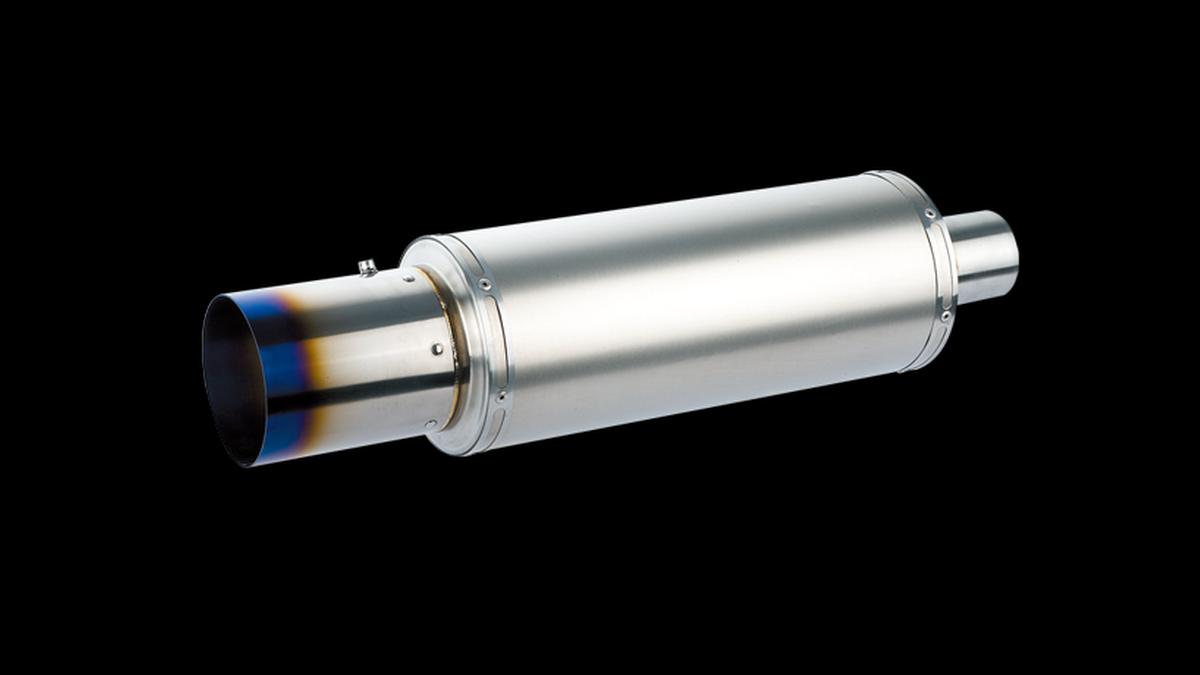
Stainless Steel vs. Titanium Mufflers: Which One Is Actually Worth Your Money in 2026?
If you have spent any time researching exhaust upgrades, you already know the debate: stainless steel or titanium? Both materials have earned their place in the automotive aftermarket, and both have passionate supporters. But when it comes to choosing the right exhaust muffler for your application, whether you are building a track car, upgrading a daily driver, or sourcing components for large-scale distribution, the material decision carries real consequences for performance, longevity, and cost.
Headline
Knowledge
Automatic L Sealer Machine: How It Works in Shrink Packaging
In many packaging operations, shrink wrapping looks simple until output rises, product mix expands or labor becomes harder to schedule. At that point, the sealing step often becomes the bottleneck. Inconsistent seals, slow changeovers and manual handling start affecting throughput, rework and delivery performance. That is where an automatic l sealer machine becomes relevant. It automates the film-wrapping and sealing stage before the product enters a heat tunnel, helping manufacturers standardize presentation, reduce manual touchpoints and support higher packaging volumes. For procurement teams and engineers, however, the real question is not just what the machine does. It is how to judge whether a specific system will fit the line, the product range and the supplier’s real capabilities.
Headline
Knowledge
How Comprehensive Foam Testing Protects Performance in Harsh Environments
Foam materials, particularly NBR rubber foam, are widely used across industries due to their lightweight, cushioning, and insulating properties. However, exposure to harsh environmental conditions, such as moisture, UV radiation, and fluctuating temperatures, can degrade foam performance over time. To mitigate risks and ensure long-term durability, manufacturers employ comprehensive testing methods, including spray, immersion, leak detection, ASTM C272, pressure, UV, salt spray, and compression recovery tests. These procedures provide critical data on how foam materials respond to environmental stress and help maintain product reliability.
Headline
Knowledge
Navigating Supply Chain Volatility - How to Choose a Medical Plastic Components Manufacturer for Rapid Scale-Up
The landscape of medical device manufacturing has shifted dramatically. The days of predictable, long-lead-time forecasting are fading. In their place is a market defined by volatility, rapid innovation cycles, and the urgent need for supply chain resilience. For medical device startups and established OEMs alike, the choice of a medical plastic components manufacturer is no longer just about cost—it is about speed and agility.
Headline
Knowledge
Understanding Dynamic Balance and Clamping Mechanics in Modern CNC Tool Holders
Precision machining has become increasingly dependent on the performance of the CNC machine tool holder, a component often underestimated in its influence on accuracy, surface finish, and tool life. With today’s high-speed spindles, multi-axis machining centers, and micro-tolerance production standards, the interaction between dynamic balance, runout behavior, and clamping mechanics has never been more critical. This article provides a neutral, engineering-focused analysis of these performance factors and introduces several leading global manufacturers contributing to advancements in tool-holding technology.
Headline
Knowledge
How Hydraulic Power Units (HPUs) Support Green Manufacturing and Energy Efficiency — A Technical Perspective
As manufacturers pursue energy efficiency and carbon reduction, hydraulic systems are being re-engineered to meet green manufacturing standards. Modern Hydraulic Power Units (HPUs), enabled by servo pumps and intelligent control, now deliver on-demand power with significantly lower energy loss, noise, and heat generation.
Agree