In many packaging operations, shrink wrapping looks simple until output rises, product mix expands or labor becomes harder to schedule. At that point, the sealing step often becomes the bottleneck. Inconsistent seals, slow changeovers and manual handling start affecting throughput, rework and delivery performance. That is where an automatic l sealer machine becomes relevant. It automates the film-wrapping and sealing stage before the product enters a heat tunnel, helping manufacturers standardize presentation, reduce manual touchpoints and support higher packaging volumes. For procurement teams and engineers, however, the real question is not just what the machine does. It is how to judge whether a specific system will fit the line, the product range and the supplier’s real capabilities.
What is an automatic L sealer?
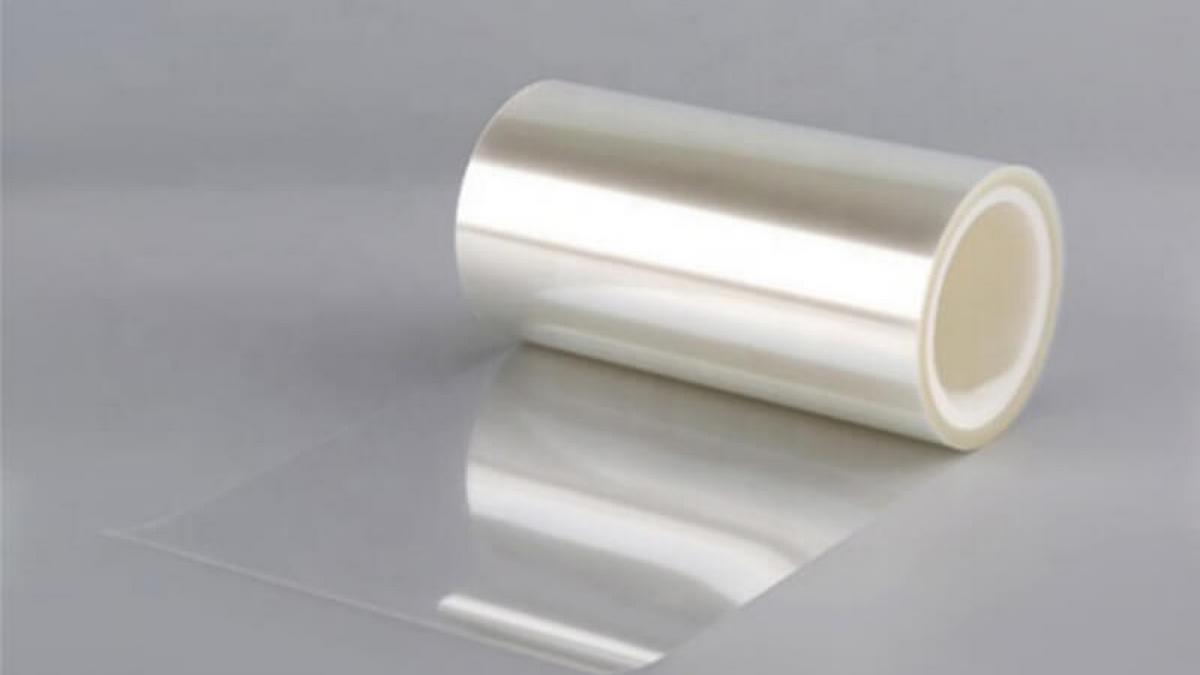
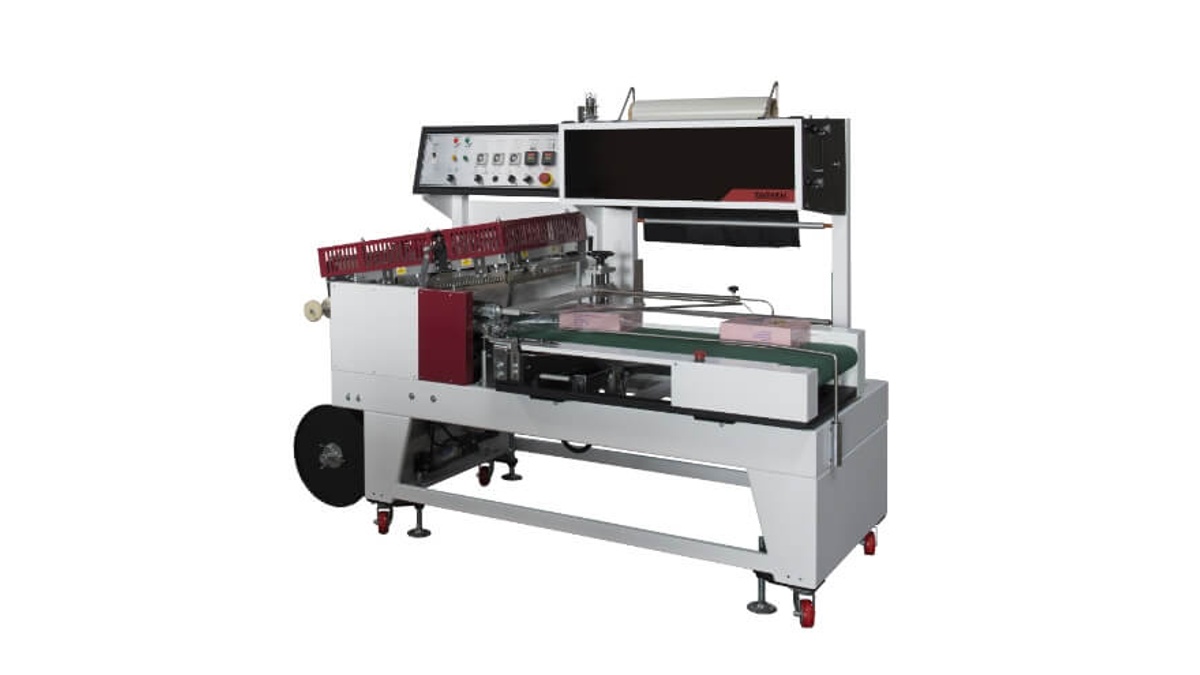
An automatic L sealer is a shrink packaging machine that wraps a product in centerfold shrink film, then seals and cuts the film in an L-shaped pattern to create a loose bag around the product. The package is then conveyed into a shrink tunnel, where heat causes the film to tighten around the item. Packaging School defines an L-sealer by the L-shaped seal area, while shrink wrapping more broadly refers to applying heat-shrinkable film around a product and shrinking it with heat.
The machine is commonly used for cartons, trays, printed materials, consumer goods, hardware kits, cosmetics multipacks and many other secondary or retail-ready packs. It is especially useful when the operation needs a cleaner package appearance than simple bundling, but does not require the continuous side-seal architecture used for very long products or fully random product lengths.
For buyers, the first judgment point is simple: an automatic L sealer is best suited when product dimensions are relatively defined, the required package finish matters and packaging speed needs to be more stable than a manual or semi-automatic process can provide.
How does an automatic L sealer machine work?
An automatic L sealer machine performs three linked actions: product handling, sealing and transfer to shrinking.
Product infeed and positioning
Products are fed by conveyor into the sealing area, usually under sensor control or timing logic. The film is supplied as centerfold film, which means the product enters between two layers of film. The machine positions the product so the sealing frame can close at the correct point.
What buyers should verify here is not just whether the machine is “automatic,” but how the product is detected and spaced. Ask for the following:
- supported product length, width and height range
- maximum stable throughput at your actual product size
- whether changeover uses recipes, handwheel adjustment or manual trial-and-error
- whether skewed or lightweight products require additional guiding
If the supplier cannot describe how products are stabilized before seal formation, expect higher rates of film misalignment and rejected packs.
L-shaped sealing and film cut-off
Once the product is in position, the sealing arm closes, creating two seals at right angles and cutting the film at the same time. This produces the characteristic L-shaped closure. The quality of this step determines seal integrity, pack appearance and downstream reliability.
This is where many sourcing errors occur. A machine may run well in a showroom but become unstable with thinner film, dusty environments or products with variable height. Buyers should request evidence on:
- sealing consistency over long shifts
- compatible film types and thickness ranges
- seal knife or seal bar service intervals
- film tension control method
- scrap or trim handling
A weak supplier answer usually sounds generic: “supports many films” or “easy to adjust.” A stronger answer includes film specification range, typical setup conditions and maintenance checkpoints.
Transfer to the shrink tunnel
After sealing, the package moves into a heat tunnel, where the film contracts around the product. Shrink wrapping typically uses heat-shrinkable polymer film and packaging machinery broadly includes the sealing and wrapping systems that automate this process.
At this stage, the sealing machine and tunnel should be evaluated as a system, not as separate catalog items. If the seal is sound but the tunnel airflow and dwell time are poorly matched, the package may still show wrinkles, dog-ears, fish-eyes or burnt corners.
A practical purchasing step is to ask for sample packs produced using your own product dimensions, film type and target speed. That single test often reveals more than a long technical presentation.
Where does an automatic L sealer fit best?
An automatic L sealer fits best in operations that have moderate to high packaging volume, a defined product mix and a need for cleaner, more repeatable shrink packs.
Typical fit conditions include:
- daily production where manual sealing is creating labor bottlenecks
- packaging lines that need more consistent retail presentation
- plants packing cartons, boxes, books, trays or bundled items with repeatable dimensions
- distributors or contract packers handling several SKUs but within a controllable size range
It is less ideal when products are extremely long, continuously varying in length or unstable on conveyor. In those cases, a side sealer or a different wrapping architecture may be the better choice.
Key specifications buyers should verify before purchase
Before comparing quotes, procurement and engineering teams should align on a short list of non-negotiable checks. The table below helps separate brochure language from decision-grade evaluation criteria.
| Evaluation area |
What to verify |
Why it matters |
Warning sign |
| Product size range |
Min./max. L × W × H |
Determines real application fit |
Supplier gives only “customizable” answer |
| Throughput |
Packs per minute at your product size |
Prevents inflated capacity claims |
Speed quoted without product details |
| Film compatibility |
POF, PE, thickness range |
Affects seal quality and operating cost |
No tested film range provided |
| Changeover method |
Tool-less, recipe-based or manual |
Impacts labor time and repeatability |
Requires repeated manual tuning |
| Seal stability |
Sample results over extended run |
Reduces rejects and tunnel issues |
Only short demo data available |
| Integration |
Conveyor height, signal logic, tunnel matching |
Avoids line commissioning delays |
No layout review before quotation |
| Maintenance access |
Wear parts, cleaning, service points |
Lowers downtime and service burden |
Spare parts list unavailable |
| Lead time |
Build time, FAT, shipping, installation support |
Protects launch schedule |
Vague delivery commitment |
The table shows why machine selection should not be reduced to price and nominal speed. In practice, the most expensive mistake is often buying a lower-priced system that cannot hold seal quality across real production conditions.
Automatic L sealer vs manual or side sealer
A manual L sealer is suitable for low-volume operations, pilot runs and simple seasonal packaging. It usually offers lower capital cost, but it depends heavily on operator consistency and is difficult to scale.
An automatic L sealer is a stronger fit when the plant needs repeatable packaging quality, reduced labor dependency and better output stability. A side sealer is generally more suitable for longer products, continuous flow or applications where pack length varies significantly.
So the decision rule is straightforward:
- choose manual for low output and frequent experimentation
- choose automatic L sealer for higher repeatable volume and defined pack formats
- choose side sealer when product length variability makes L-seal geometry restrictive
What separates a capable auto l sealer supplier from a brochure-only vendor?
A credible auto l sealer supplier should be able to discuss configuration limits, line integration, commissioning conditions and service structure in concrete terms. That means dimensional range, conveyor logic, film compatibility, utility requirements and spare-parts planning.
One practical way to assess supplier readiness is to review an actual product page rather than only a PDF summary. For example, buyers moving from concept to specification review may find it useful to examine Tayi Yeh’s automatic L sealer machine, which highlights user-oriented adjustability and a broad application range. The same supplier’s category pages also show that automatic L sealers sit within a wider shrink-packaging lineup, which can be useful when comparing future expansion paths or distributor fit.
That does not replace technical validation, but it does help buyers judge whether a supplier appears ready for customization discussions, specification matching and product-family comparison. For companies prioritizing customization capability, stable quality and faster lead-time coordination, that kind of visibility is often more useful than generic sales language alone.
Market direction: what buyers should expect next
Packaging machinery buyers should expect three purchasing pressures to remain important: automation for labor efficiency, stronger sustainability requirements and more detailed cross-border procurement evaluation. PMMI continues to frame sustainability as a priority across packaging and it also tracks packaging machinery under trade classifications that include heat-shrink wrapping equipment.
For L sealer buyers, that means two practical changes. First, more projects will be evaluated on film efficiency, setup repeatability and reject reduction, not just machine speed. Second, supplier comparison will become more documentation-driven. Teams will increasingly ask for application videos, film compatibility records, FAT criteria and lead-time transparency before shortlisting vendors.
Any claim about future regional demand by sector should be treated carefully unless backed by project-specific market data.
Final thoughts
An automatic L sealer machine is not just a faster sealing device. It is a decision about packaging stability, labor structure, line integration and supplier reliability. When the application is right, it can make shrink packaging more predictable and more scalable.
The best buying approach is to evaluate the machine as part of a working packaging system. Confirm product range, verify sealing consistency with your own film and samples and compare suppliers based on adjustment logic, service readiness and delivery realism. That is how procurement teams avoid under-specified equipment and how engineering teams reduce commissioning surprises.

(4059)(20260924)(原).jpg)
(2367)(20260924)(原).jpg)