Beyond ESG: How a Modern Plastic Pelletizing Recycling Line Drives Profit in Late 2026 and 2027
A modern plastic pelletizing recycling line is no longer just a compliance tool. In late 2026 and 2027, tighter carbon rules, higher virgin resin volatility, and growing demand for verified recycled content are turning recycling into a profit opportunity. This article explains how better pellet quality, lower energy use, and carbon value can improve margins, and why ACERETECH is a manufacturer worth considering.
Published: Jul 15, 2026
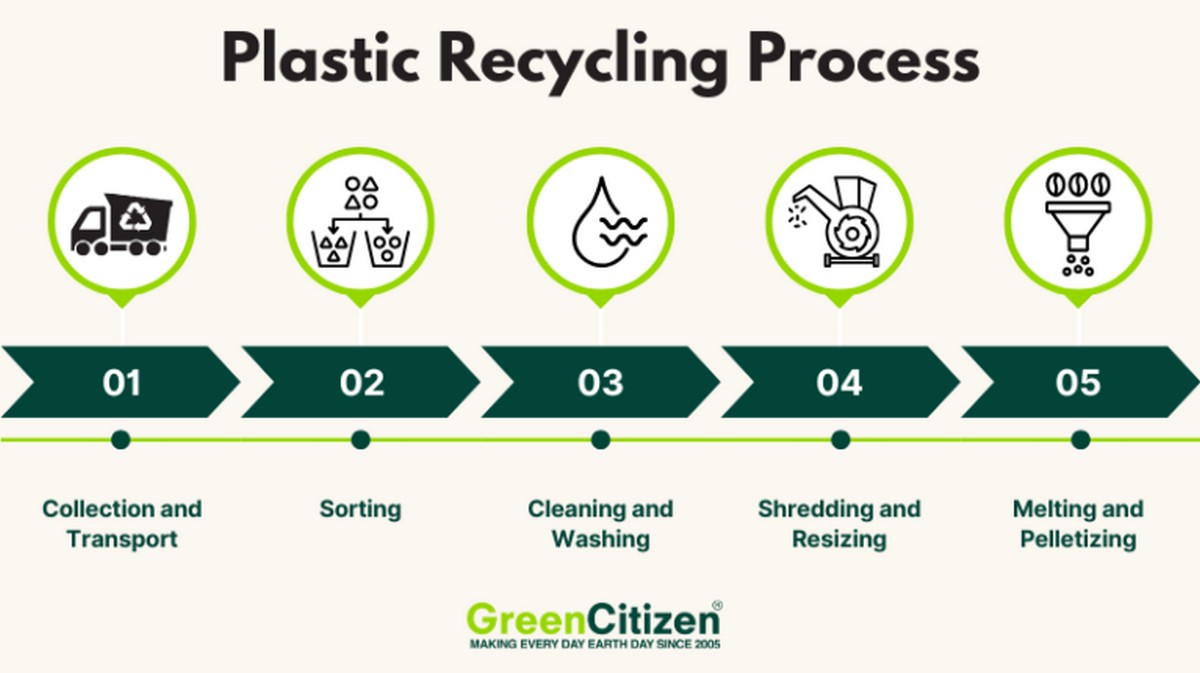
Photo by https://greencitizen.com/blog/what-happens-to-recycled-plastic/
Beyond ESG: Why Recycling Is Becoming a Profit Center
For years, recycling investment was often treated as a compliance task. Companies bought plastic pelletizing recycling lines to meet environmental rules, reduce waste fees, and improve ESG reporting.
That is changing.
By late 2026 and into 2027, recycled plastic is becoming a profit opportunity, not just a sustainability measure. Carbon regulations are tightening, virgin resin prices remain volatile, and buyers are increasingly paying for verified recycled content. In this environment, a modern plastic pelletizing recycling line can do more than process waste — it can improve margins.
This article explains why the timing matters now, what makes a modern line more profitable, and how ACERETECH fits into that shift.
The Shift from Compliance to Profit
For much of the past decade, recycling equipment was purchased mainly to satisfy regulators or customer requirements. The goal was simple: reduce waste, meet ESG targets, and stay compliant.
Today, the business case is different. Companies are now looking at recycling lines as revenue-generating assets.
Three forces are driving that change:
Carbon regulations are becoming stricter.
Demand for recycled plastic pellets is rising.
Virgin resin prices remain unpredictable.
As a result, high-quality recycled pellets are no longer just a lower-cost alternative. In many markets, they are becoming a strategic material that can support premium pricing and long-term supply stability.
3 Ways a Modern Plastic Pelletizing Recycling Line Improves Margins
A modern plastic recycling pelletizing line creates value in more than one way. It helps manufacturers sell better pellets, reduce operating cost, and capture more value from regulatory and carbon-related trends.
Higher Purity Means Higher Price
The biggest profit driver is pellet quality. Older recycling lines often produced pellets that were only suitable for lower-grade applications, while modern buyers now expect stable melt flow, low contamination, and consistent color.
A modern plastic pelletizing recycling line improves quality through better degassing, filtration, and temperature control. That means more contaminants are removed, material degradation is reduced, and the final pellets can serve higher-value applications.
In practical terms, better purity can lead to better selling prices.
Energy Savings Improve Operating Cost
Energy is one of the largest operating costs in recycling. Newer systems use better screw design, smarter heating control, and real-time monitoring to reduce waste.
Some lines can cut energy use by around 15–20% compared with older equipment, depending on feedstock and operating conditions. Lower electricity use means lower cost per ton, which improves margin every day the line is running.
Carbon Value Adds Another Layer of Return
Recycled plastic also carries carbon benefits. Compared with virgin resin production, recycling usually requires less fossil-based input and can significantly reduce emissions.
For companies with carbon reporting targets, that reduction has financial value. In some cases, it may support carbon accounting, compliance goals, or even credit-related revenue opportunities.
Why the 2026–2027 Investment Window Matters
If a company wants to benefit from the 2027 market, it should not wait too long to invest.
Industrial equipment lead times, installation, and commissioning can take months. A decision made in late 2026 may be the difference between entering 2027 ready to sell premium recycled pellets or still waiting for the line to go live.
That timing advantage matters because the market is moving fast. Buyers want verified recycled material, regulations are tightening, and early movers are likely to secure better customers and stronger pricing.
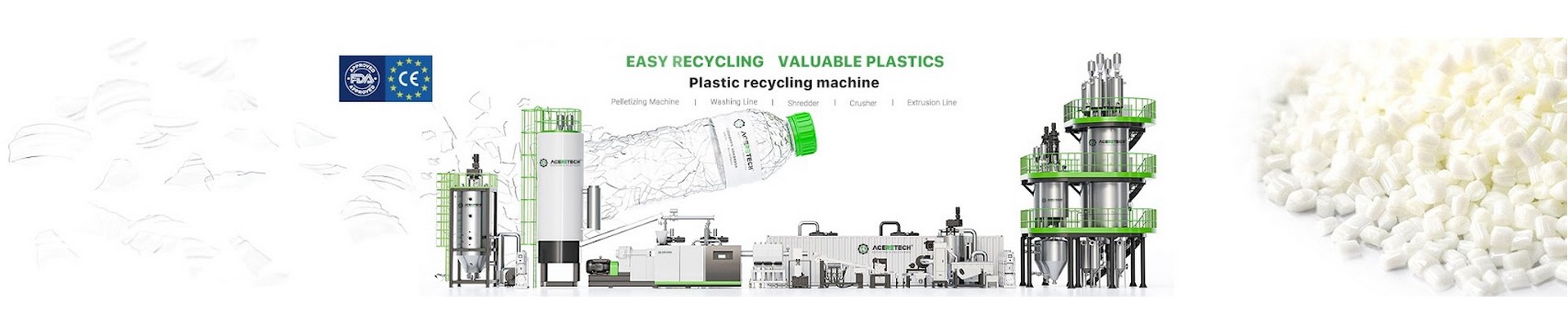
To evaluate the exact specifications and footprint required for your facility, refer to this comprehensive guide on the plastic pelletizing recycling line.
These systems are designed for different feedstocks, from cleaner industrial scrap to more contaminated post-consumer material. That gives processors more flexibility when choosing the right plastic recycling pelletizing line for their production needs.
One useful example is ACERETECH’s experience in engineering applications such as PA66 nylon fiber recycling. This shows how a well-designed line can help transform difficult waste streams into higher-value recycled pellets.
What stands out most is that ACERETECH focuses on the two factors that matter most in recycling profitability:
Better contamination removal.
Lower energy consumption.
For companies evaluating a new plastic pelletizing machine, that combination is often more important than machine size alone.
FAQ: Future-Proofing Your Recycling Operations
Q1: Can existing recycling lines be upgraded for 2027 requirements?
Yes, in many cases they can. Existing lines can often be upgraded with better filtration, degassing, control systems, and energy-management functions to improve pellet quality and operational efficiency.
Q2: What is the expected payback period for a modern plastic pelletizing recycling line?
The payback period depends on feedstock quality, local energy prices, production volume, and pellet selling price. In many cases, companies evaluate payback based on improved pellet pricing, reduced energy use, and stronger customer demand for recycled content.
Q3: Why does pellet purity matter so much?
Higher-purity pellets are easier to sell into more demanding applications such as packaging, automotive, and technical plastics. Better purity often means higher selling prices and a more stable customer base.
Q4: How does AI-driven energy optimization help?
AI-driven optimization helps adjust screw speed, heating zones, and process conditions in real time. This can reduce energy waste and improve consistency, especially when the feedstock quality changes during operation.
Q5: Can recycled pellets create carbon-related value?
Yes. Recycled pellets can support carbon accounting, internal sustainability targets, and in some cases credit-related or compliance-related financial benefits, depending on the market and regulatory framework.
Q6: Why should buyers consider ACERETECH?
ACERETECH offers a broad range of plastic recycling pelletizing solutions, including systems for in-house scrap and more contaminated post-consumer materials. Its focus on pellet quality, contamination control, and energy efficiency makes it a practical option for companies seeking long-term profitability.
The revised EU Waste Framework Directive makes every apparel producer pay for textile waste management, with fees adjusted for recyclability. That turns fibre blends, from a design choice, into a cost line.
Boba cocktails have moved from social media novelty to chain restaurant menus and ready-to-drink test markets. Two product routes are emerging, alcohol-filled pearls and non-alcoholic pearls for mocktails, and they serve different buyers.
A successful bubble tea menu needs more than a long list of flavors. New drinks have to stand out while still being practical to develop and prepare consistently.
How aging vehicles, advanced fuel-injection technology and a growing focus on preventive care are reshaping fuel-system maintenance in the automotive aftermarket.
As U.S. regulators look deeper into technology supply chains, access control manufacturers and buyers are placing greater emphasis on component sourcing, secure communication and vendor transparency.
A comparative look at Industry 4.0 platforms, automation strategies and market positioning across four leading all-electric injection molding machine builders.


(3796)(20260924)(原).jpg)
(4005)(20260924)(原).jpg)