Knowledge

Integrated Plastic Production Workflows: Recycling, Extrusion, and Beyond

In the manufacturing sector, integrated workflows for plastic production—from recycling to film extrusion, bag making, and printing—play a crucial role in enhancing efficiency and sustainability. These systems enable manufacturers to handle the full lifecycle of plastic materials, addressing environmental concerns while optimizing operational costs. As industries shift toward circular economies, understanding these processes provides valuable insights for both new entrants and established operations seeking upgrades.
Published: Feb 11, 2026
Integrated Plastic Production Workflows: Recycling, Extrusion, and Beyond

Plastic Bags making Flows

The Recycling Phase in Plastic Workflows

The recycling phase initiates the workflow by processing waste plastics such as HDPE, LDPE, and PP into reusable pellets. Equipment typically includes crushers, washers, and pelletizers that manage both soft and rigid wastes. This step reduces reliance on virgin materials, lowers energy consumption, and minimizes landfill contributions. However, effective implementation requires robust sorting and filtration to handle contamination, ensuring high-quality output pellets suitable for downstream applications.

Key benefits of integrated recycling include:

  • Cost savings through reduced raw material needs
  • Environmental advantages by promoting waste diversion
  • Improved material control for consistent production quality

Challenges to consider:

  • Managing varying waste inputs and contamination levels
  • Energy optimization in processing stages

Film Extrusion: Core of Material Transformation

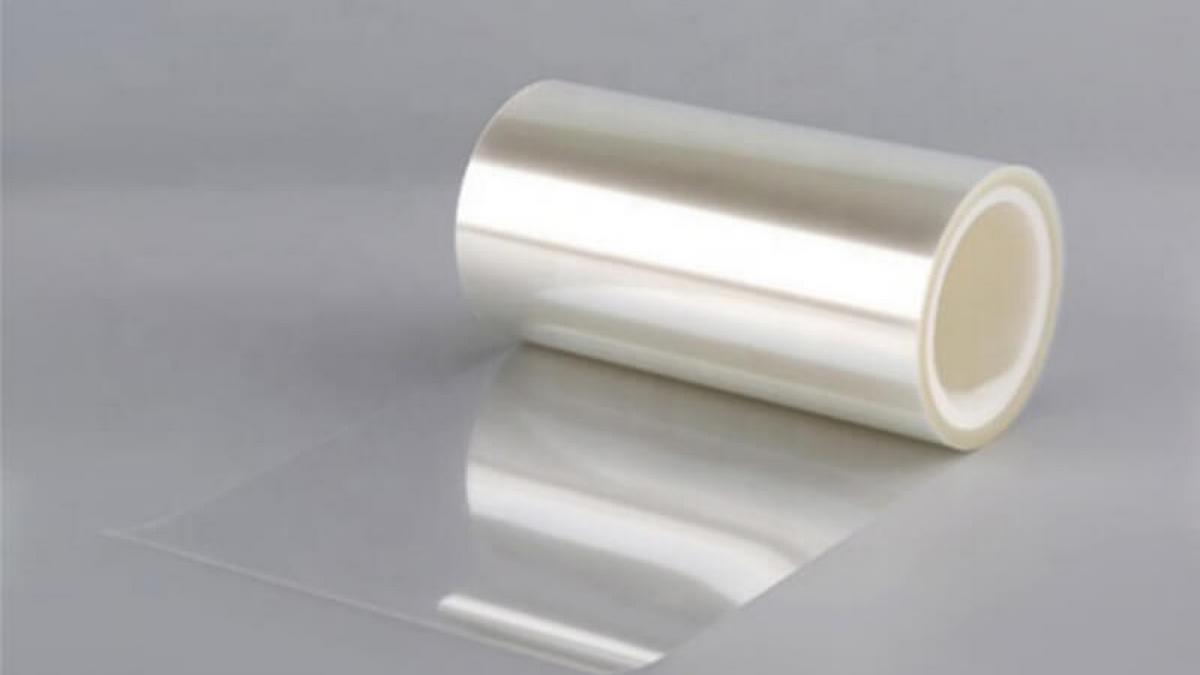
Next, film extrusion converts these pellets into versatile films using mono-layer or multi-layer blown film machines. These systems produce films for packaging, agriculture, and medical purposes, with capabilities for 3- or 5-layer structures to achieve specific properties like barrier strength or flexibility. Co-extrusion technologies allow for simultaneous production under varying conditions, such as different colors or thicknesses, which can improve throughput. Challenges in this stage include maintaining uniform film quality through precise control of extrusion parameters, which is essential for avoiding defects and ensuring consistency.

Stage Aspect Description Potential Issues
Material Input Recycled pellets from HDPE/LDPE/PP Inconsistent quality if not filtered properly
Output Films Multi-layer for barriers or aesthetics Variations in thickness requiring calibration
Efficiency Gains Simultaneous processing of conditions High energy use without optimized designs

Bag Manufacturing and Printing Integration

Bag manufacturing follows, transforming films into end products via sealing methods like bottom or side sealing, often producing items on rolls for convenience. Integrating printing equipment, such as flexographic presses, adds customization with multi-color designs at speeds up to 80 meters per minute. This enhances product functionality and appeal but necessitates alignment with prior stages to prevent issues like misalignment or poor ink adhesion.

Overall, these interconnected processes support scalable production, though factors like equipment compatibility and maintenance are key to success. By adopting such workflows, manufacturers can better navigate market demands for sustainable and efficient operations.

Overview of Key Machinery Providers

For context on providers, here are brief overviews of five companies in the plastic machinery space presented in a table for clarity:

Company Name Location Key Focus Areas
Matila Industrial Co., Ltd. Taiwan End-to-end systems for recycling, extrusion, bag making, and printing with modular designs
Polystar Machinery Co., Ltd. Taiwan Recycling and blown film equipment emphasizing user-friendly waste processing
Reifenhäuser Group Germany Advanced extrusion and recycling for precision film production
Windmöller & Hölscher Germany Flexible packaging machinery including extrusion, printing, and converting
Hosokawa Alpine Germany Blown film extrusion integrated with recycling for industrial applications

Summary

Integrated plastic production workflows from recycling to bag manufacturing and printing enhance efficiency, sustainability, and scalability, while addressing challenges like material quality and energy use, with various providers offering specialized solutions.

Published by Feb 11, 2026 Source: Matila Industrial Co., Ltd. Reifenhäuser Group

Further reading

You might also be interested in ...

Headline
Knowledge
How Patent Screws Enhance the Long-Term Durability of Exterior Walls and Roof Systems
In today’s construction industry, the durability of exterior walls and roof assemblies depends not only on design or materials but also on the Patent Screws that secure them. These fasteners endure constant exposure to moisture, UV light, and temperature changes. Traditional screws often fail under these conditions, causing corrosion, leaks, or costly maintenance. This article explores how Patent Screws, with their patented coatings and sealing systems, help engineers and procurement professionals achieve long-term reliability in demanding environments.
Headline
Knowledge
Designing Corrosion-Resistant Plastic Magnetic Pumps: Engineering for Longevity
True corrosion resistance is achieved not by material choice alone, but by how materials are engineered into a cohesive pump structure.
Headline
Knowledge
How to Choose the Right Blow Molding Machine: A Practical Buyer’s Guide
In the competitive world of polymer container manufacturing, choosing the right blow molding machine is a strategic decision. A poorly selected machine can lead to inefficiencies, excessive costs, or frequent downtime. In this guide, we present a neutral, buyer-oriented roadmap to help procurement engineers, plant owners, and OEM decision-makers evaluate and select blow molding equipment that truly matches their production needs.
Headline
Knowledge
A Metalworker's Guide to Sawing High-Performance Aluminum Alloys
On the shop floor, the rise of electric vehicles (EVs) and next-generation aircraft means one thing: you're cutting more aluminum than ever before. While this material offers fantastic strength-to-weight properties, it brings a unique set of headaches—gummy build-up, stringy chips, and a tendency to work-harden.
Headline
Knowledge
How Magnetic Drive Pumps Enhance Chemical Reliability in the Evolving Printed Circuit Board (PCB) Industry
The global Printed Circuit Board (PCB) industry is undergoing rapid transformation, fueled by technological upgrades, supply chain restructuring, and rising demand from high-performance electronics. With the market expected to grow from USD 80.3 billion in 2024 to USD 96.5 billion by 2029, manufacturers must focus on improving production stability, chemical reliability, and environmental compliance to stay competitive.
Headline
Knowledge
How to Choose the Right Ball Bearing Drawer Slide: Light, Medium, or Heavy Duty?
Choosing the right Ball Bearing Drawer Slide is essential for smooth operation, reliable load support, and long-lasting performance.
Headline
Knowledge
Stop the Stress: 5 Non-Negotiable Questions to Ask Your Bubble Tea Ingredient Supplier Today
Opening a bubble tea shop is exciting, but the reality is built on a complex, global supply chain.
Headline
Knowledge
Exploring the Pros and Cons of Seal-less Magnetic Drive Pumps in Industrial Use
Industrial process engineers are increasingly adopting seal-less magnetic drive pumps to enhance system safety and reliability. Unlike traditional pumps that rely on mechanical seals, magnetic drive pumps offer a fully enclosed structure that eliminates leakage risks—a major advantage when dealing with corrosive or toxic liquids.
Headline
Knowledge
H-Beams and I-Beams: Modern Cutting Methods for Structural Steel
In structural engineering projects such as bridges, high-rise buildings, and industrial facilities, the accurate cutting of H-beams and I-beams is vital for ensuring safety and structural integrity. Fabricators utilize a variety of cutting methods to meet project demands, including laser cutting, plasma cutting, water jet cutting, and large band saws.
Headline
Knowledge
Essential for Precision Machining: A Complete Guide to Tungsten Carbide Center Drills
In modern manufacturing, precision is the core standard by which product quality and performance are measured. From aerospace components to medical devices, even a minor deviation can lead to serious consequences. When it comes to precision drilling, a critical challenge is ensuring that a drill bit can be accurately positioned at the start of a cut while maintaining stability during high-intensity operations. The tungsten carbide center drill is the professional tool engineered specifically to solve this problem.
Headline
Knowledge
From Cavitation Effect to Industrial Applications: The Secrets of Ultrasonic Cleaning
When your glasses, tableware, or electronic components are stained with stubborn dirt, what can you do? Traditional methods often require vigorous scrubbing or even harsh chemical solvents, which are not environmentally friendly and may scratch the item. At this moment, ultrasonic cleaning acts like an “invisible little helper”, reaching deep into grooves and gaps to gently yet effectively remove contaminants.
Headline
Knowledge
The “Spark Magician” of Metalworking
Electrical Discharge Machining (EDM) is a non-traditional machining process that removes metal through electrical sparks. Unlike conventional methods, it is not limited by material hardness and can precisely create deep cavities, micro-holes, and complex structures in hardened steel, tungsten carbide, or superalloys. The three main types of EDM include wire cutting, die-sinking, and hole drilling, which are widely applied in mold making, aerospace, automotive, and medical industries. Although EDM has a slower processing speed, works only with conductive materials, and requires consideration of electrode wear and surface treatment, its advantages in high precision, zero cutting force, and superior surface finish make it an indispensable technology in precision manufacturing. Moreover, it continues to evolve in line with the trend toward smart manufacturing.
Agree