Reducing Non-Cutting Time to Boost Throughput, OEE, and Cost Efficiency in Automotive Machining
The Cost of Non-Cutting Time in Automotive Production
In automotive parts machining, non-cutting activities such as tool changes, clamping, and alignment account for significant downtime. Even small inefficiencies in Tier 1 or Tier 2 factories accumulate to substantial financial impact over the year.
Traditional Tool Change Challenges
Manual tool changes take 3–5 minutes per operation and require skilled operators. Across multiple machines, downtime can reach hundreds of hours annually, reducing production efficiency.
Quick Change Systems Minimize Downtime
Quick Change Systems (Auto Wedge Clamp) reduce tool change time to under 30 seconds while maintaining alignment within a few microns. Mechanical wedge-clamp designs ensure repeatable, precise positioning, increasing OEE by 8–12%.
The Role of High Pressure Coolant Tool Holders
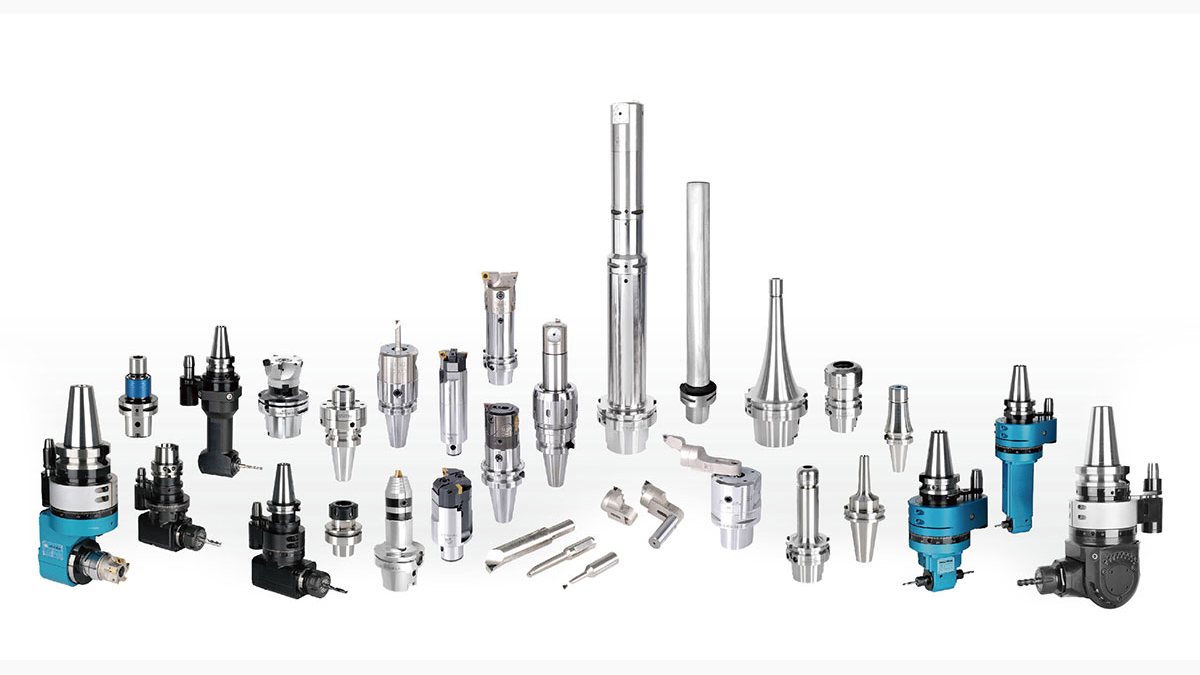
High Pressure Coolant Tool Holders address thermal challenges by delivering coolant directly to the cutting edge. This improves heat extraction, chip evacuation, tool life, and surface quality, reducing the need for rework .
Combined Benefits for Line Efficiency
By integrating high pressure coolant holders with quick change systems, manufacturers optimize both cutting and non-cutting operations. This leads to higher throughput, consistent part quality, and reduced operational costs.
Supporting Suppliers and Integrators
Tool holder manufacturers provide integrated solutions and support, including system installation guidance and operator training. SYIC, for example, offers high pressure coolant holders and AWC Auto Wedge Clamp systems with engineering support, helping automotive factories implement these efficiency improvements effectively. If you need more information, contact SYIC's technical team for support.